
Last updated September 25, 2026
Free written scope consultation - allowances, timeline, and change-order rules on paper before a single trade is scheduled

 Before
 After
After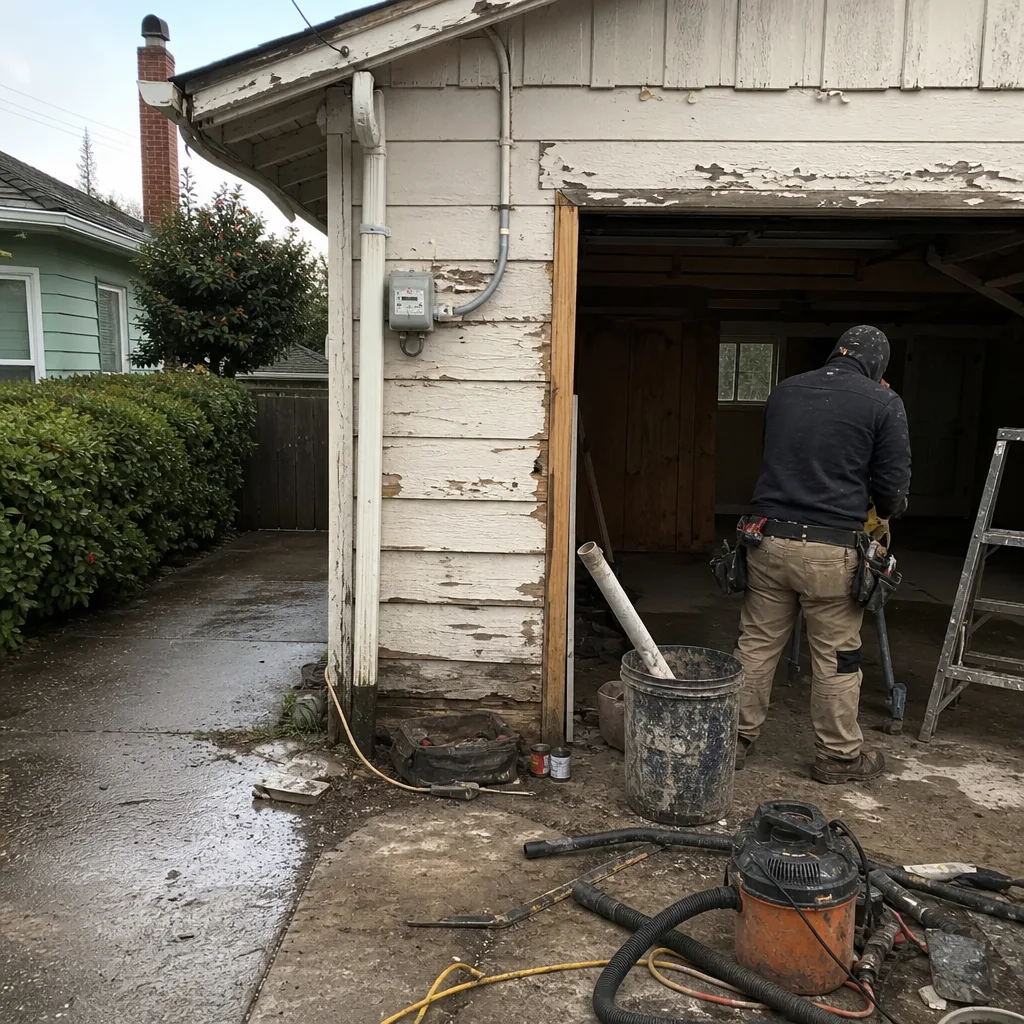 Before
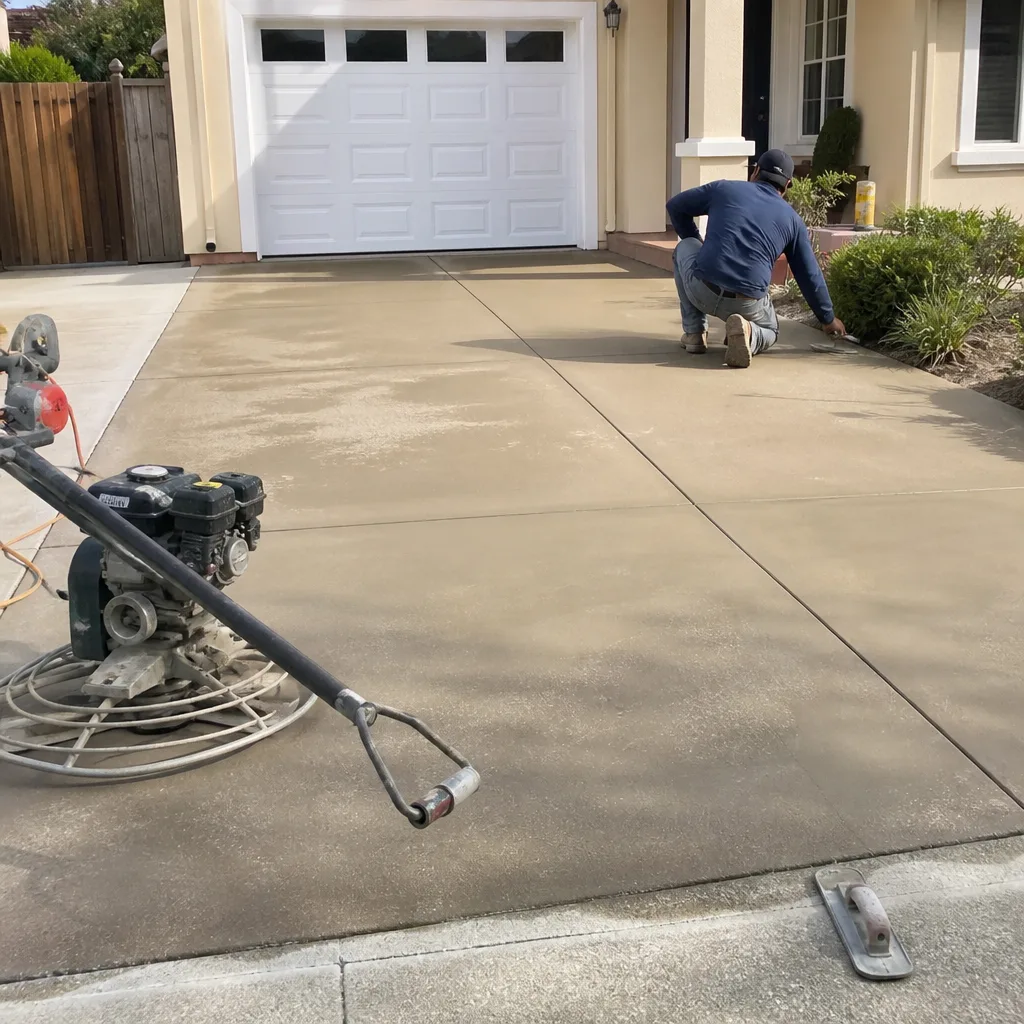 After
AfterDIY vs Professional Construction: The Oakland Homeowner’s Decision Guide
California allows homeowners to pull their own permits as “owner-builders,” but the same law requires signing a disclosure that transfers professional liability to your personal assets, including your home. In Oakland, where median sale prices sit above $800,000 and original 1920s construction still dominates neighborhoods like Rockridge and Temescal, that signature can cost far more than any contractor bid. This guide explains which projects make sense to self-perform, which trades are legally fenced off from DIY entirely, and how to calculate true cost including the one factor most homeowners ignore: the price of a professional correction when DIY goes wrong.
Quick Answer
Most Oakland homeowners should hire a licensed contractor for any project requiring permits, structural work, or trade-specific licenses (electrical, plumbing, HVAC, roofing). DIY makes financial sense only for cosmetic finish work-painting, basic tile, hardware swaps-where mistakes are reversible and no permit triggers the owner-builder liability disclosure. The break-even calculation must include your time at market rate, tool costs, permit fees, and a 25-40% contingency for professional remediation, not just materials.
Table of Contents
- The California Owner-Builder Permit Disclosure: What You’re Actually Signing
- Trade-by-Trade DIY Eligibility Map for Oakland
- How to Calculate True DIY Cost (Including the Correction)
- Oakland-Specific Risk Factors: Old Housing Stock, New Codes
- The Documentation Standard: What Future Buyers Will Need to See
- When to Call a Professional
- Frequently Asked Questions
BeforeAfterThe California Owner-Builder Permit Disclosure: What You’re Actually Signing
Every California homeowner considering DIY construction should read the Owner-Builder Disclosure Statement (B&P Code Section 7044) before walking into Oakland’s Permit Center at 250 Frank H. Ogawa Plaza. The form is not a bureaucratic checkbox. It is a liability transfer instrument, and signing it means four specific things in plain language:
- You become the general contractor. Not metaphorically. Legally. You assume all duties a C-10 Electrical or C-36 Plumbing contractor would carry, including worker’s compensation, payroll taxes, and liability for jobsite injuries.
- You cannot sell or lease the property within one year without disclosing the owner-builder status and any uninspected work, unless all inspections passed and a certificate of occupancy or final inspection card was issued.
- Your homeowner’s insurance may not cover claims arising from unpermitted or self-performed work. Many Oakland policies contain exclusions for “work performed by unlicensed persons” or “unpermitted alterations.”
- You waive the protection of the Contractor’s State License Board. No bond to claim against. No license to revoke. Disputes become civil litigation against your personal assets.
The disclosure’s final paragraph states explicitly: “I understand that as an owner-builder, I am responsible for all work performed on my property and for ensuring that all work complies with applicable building codes.” In Alameda County’s litigation environment, that sentence has appeared in more than one title dispute when sellers could not produce inspection records.
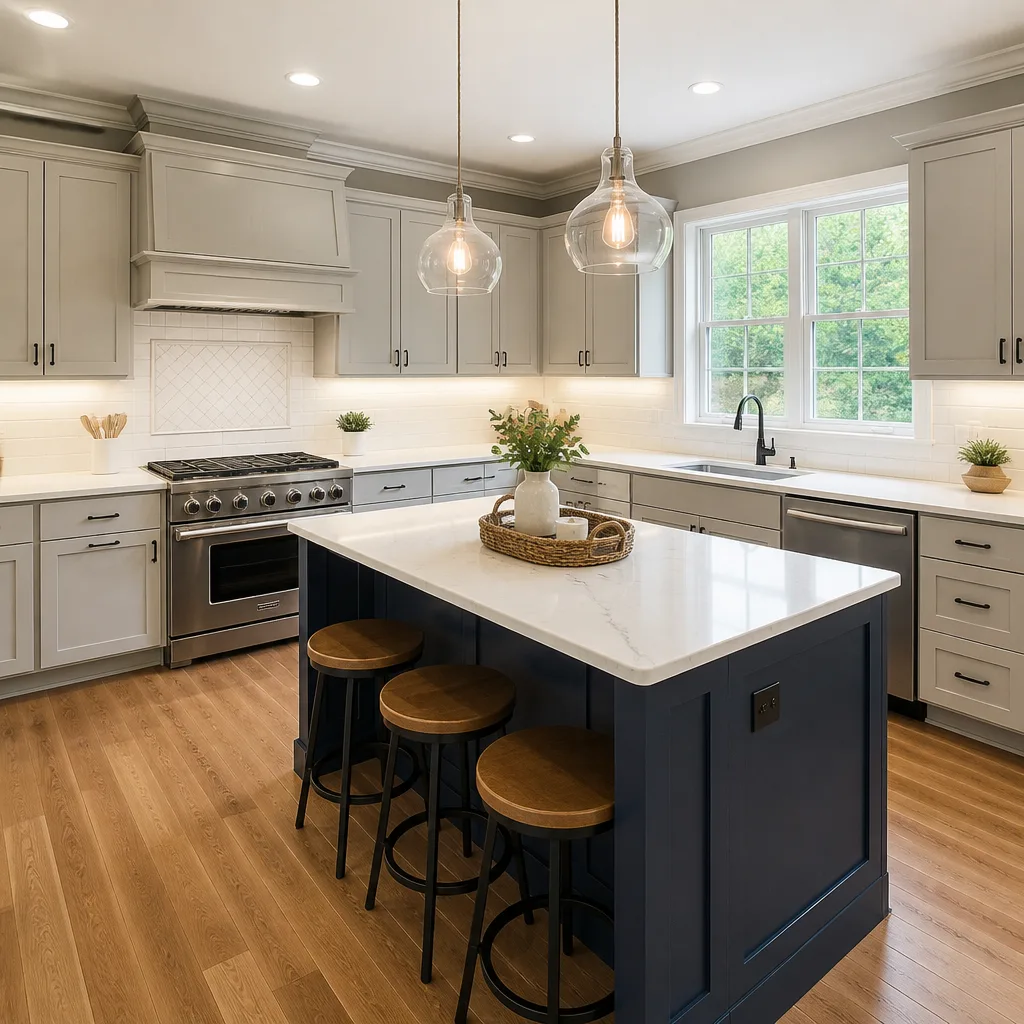
The reasonable-risk threshold depends on project scale. A homeowner painting their own kitchen cabinets after a Kitchen Remodeling in Oakland contractor handles the electrical and plumbing? No disclosure, no permit, no liability transfer. That same homeowner pulling an electrical permit to relocate a subpanel? The disclosure applies, and the risk profile changes entirely.
Under Clause 1 of the Haven Standard, Rowan Construction Group Oakland home delivers a written price before any work starts specifically so homeowners can compare this documented contractor bid against the full owner-builder cost, not just the material receipt.
Trade-by-Trade DIY Eligibility Map for Oakland
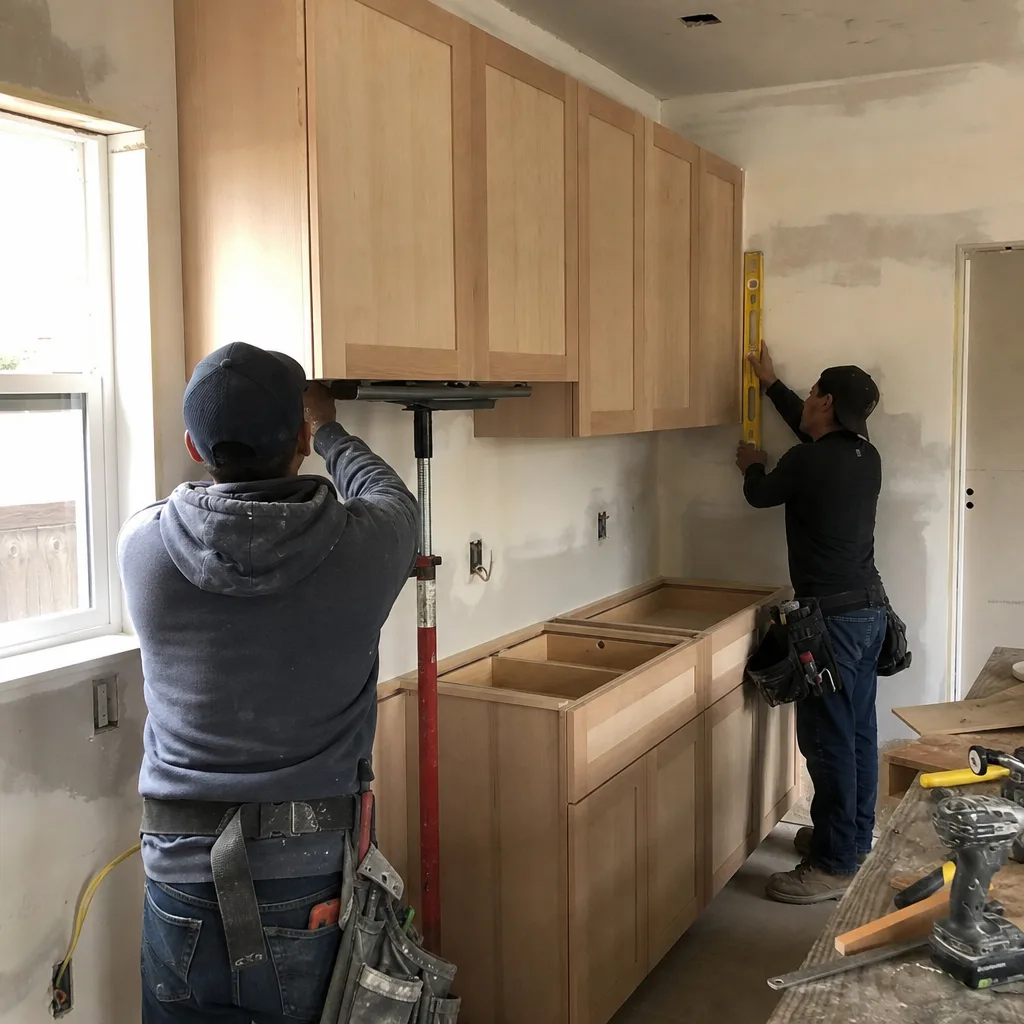
California’s contractor licensing system creates clear boundaries. Understanding which trades require which license classification prevents both legal exposure and failed inspections.
Green Light: No Permit, No License Required
- Interior painting and finishing: No CSLB classification applies. Use zero-VOC products for Oakland’s Title 24 compliance; Benjamin Moore Natura or Sherwin-Williams Harmony meet current standards.
- Hardware and fixture replacement on existing connections: Swapping a Kohler faucet for a Moen on existing supply lines, or replacing cabinet pulls. Do not open walls or alter supply lines.
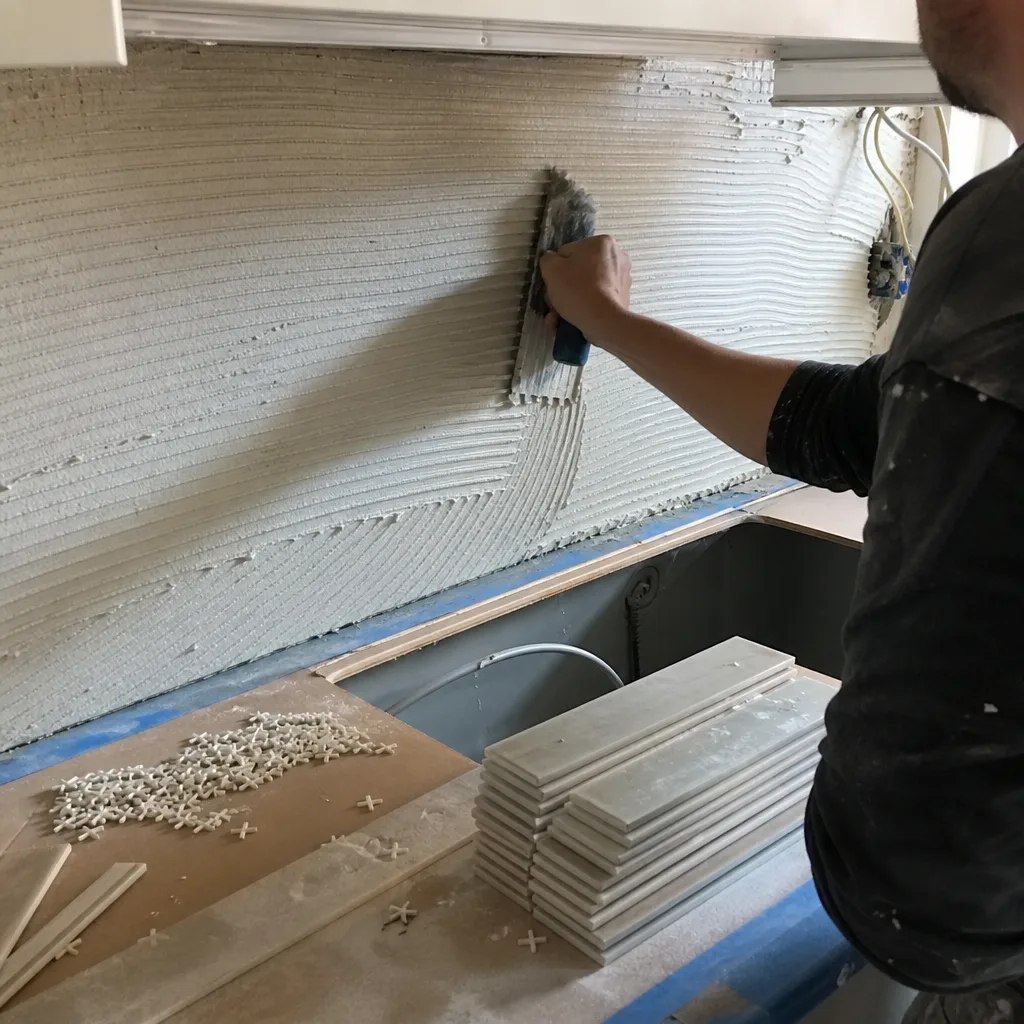
- Basic tile over existing substrate: Backsplashes, tub surrounds over cement board already installed. Verify the substrate is actually cement board, not drywall, or the installation will fail within two years in Oakland’s marine climate.
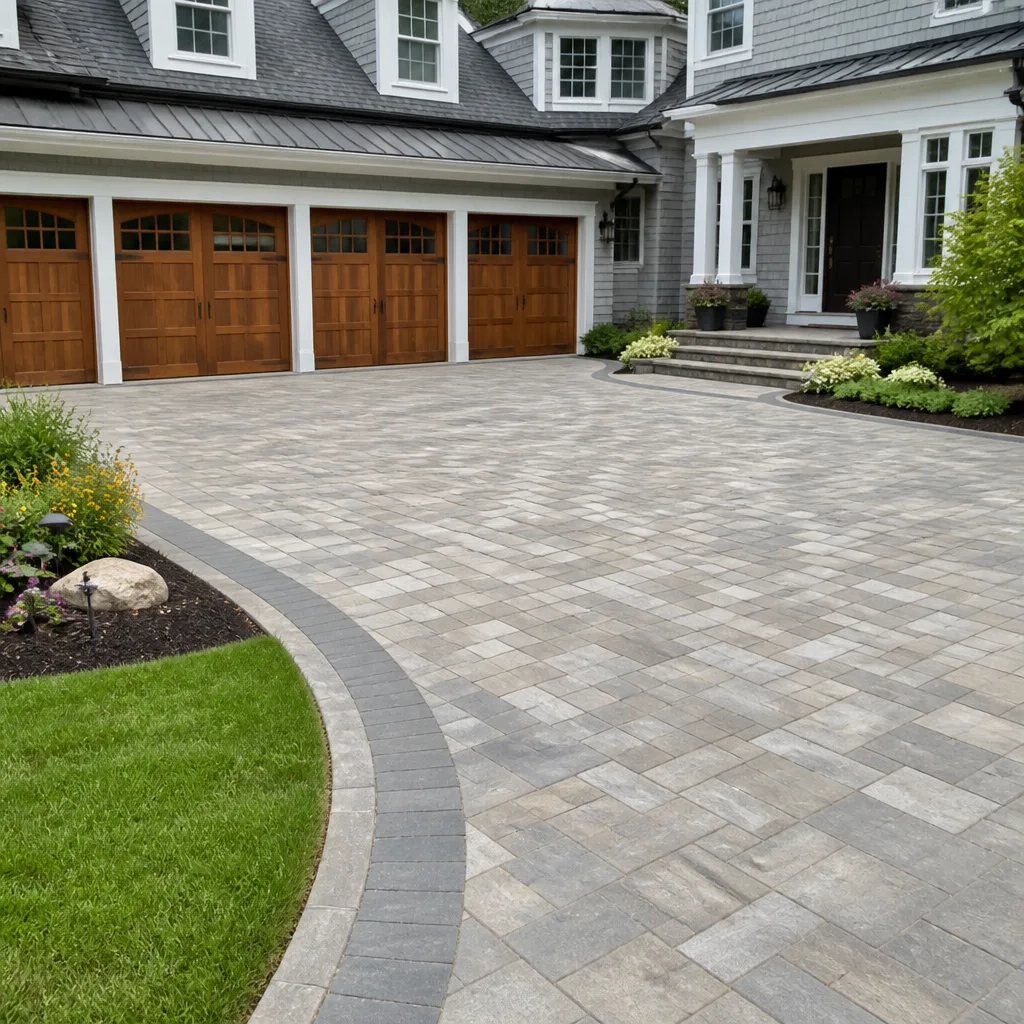
- Landscaping under 30 inches retaining height: No engineering or permit required. Belgard and Techo-Bloc pavers can be DIY-installed on compacted base; failure mode is aesthetic, not structural.
Yellow Light: Permit Required, Owner-Builder Eligible
- Non-structural framing: Interior partition walls, closet systems. Requires building permit and inspection. The 2019 California Residential Code, adopted by Oakland with local amendments, specifies 16-inch on-center stud spacing and single top plates in non-load-bearing applications.
- Window and door replacement in existing openings: No structural modification allowed. If the rough opening needs reframing, the project crosses into structural territory.
- Drywall installation: Permitted but rarely inspected as standalone work; usually bundled in larger permits.
Red Light: Licensed Trade Only
- Electrical (C-10): Panel upgrades, new circuits, service relocation. Oakland’s older housing stock-particularly in Maxwell Park and Redwood Heights-often contains knob-and-tube wiring that must be disclosed and properly abandoned. DIY electrical work is the leading cause of residential fires in Alameda County.
- Plumbing (C-36): Gas line work of any kind, water heater replacement, sewer lateral work. Oakland’s 2023 sewer lateral ordinance requires compliance before property transfer; unpermitted DIY work triggers mandatory professional correction at sale.
- HVAC (C-20): Ductwork, furnace replacement, mini-split installation. Title 24 energy compliance documentation required.
- Roofing (C-39): Complete replacement or structural deck repair. Oakland’s wind exposure zone and occasional heavy rain events make proper fastening patterns critical. Roofing in Oakland requires compliance with CRC R905 and local amendments for fastening in high-wind zones.
- Structural (C-5, B-General): Any load-bearing wall modification, foundation work, second-story additions, ADU construction. ADUs in Oakland trigger state density bonus laws and local impact fee schedules that owner-builders routinely miscalculate.
The Hidden Category: Work That Seems DIY-Eligible But Isn’t
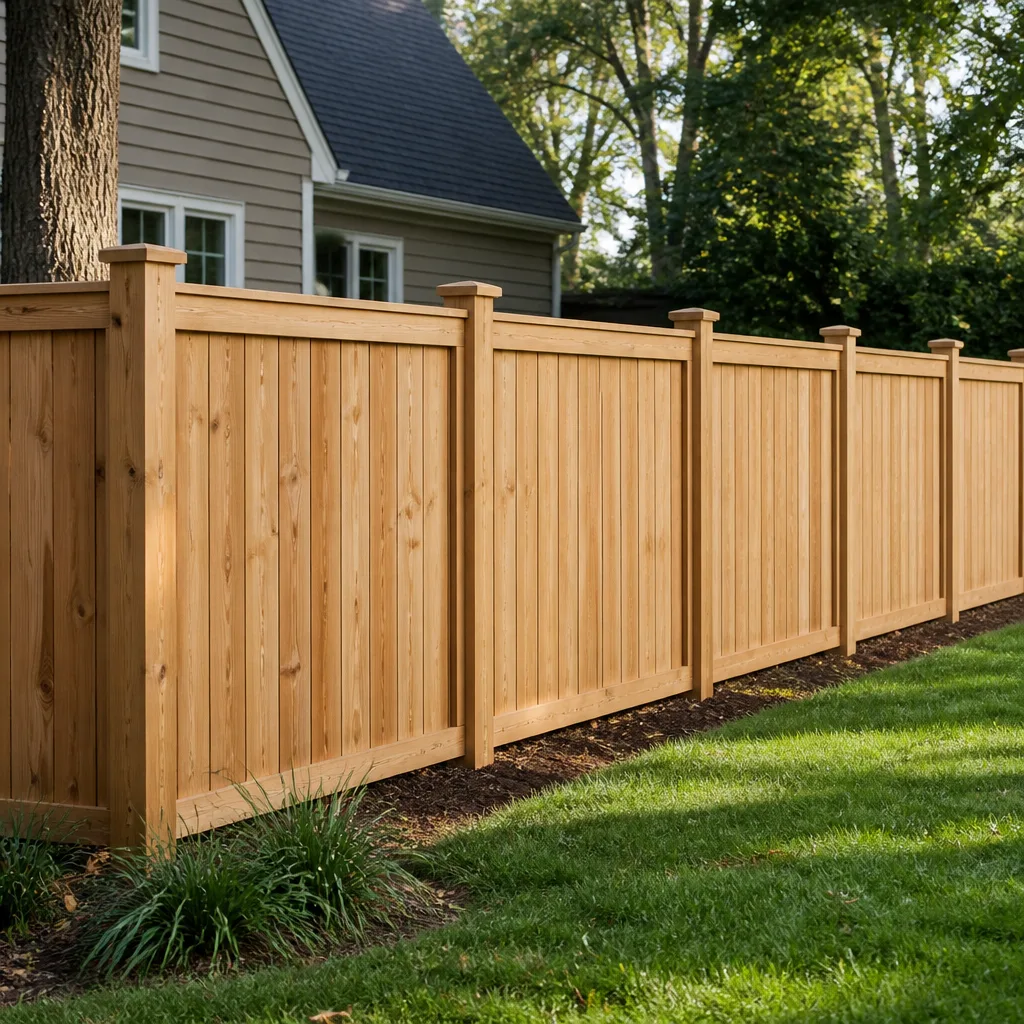
Fence installation illustrates the trap. A 6-foot cedar fence under 30 feet total length requires no permit. But if it exceeds 6 feet in height, or if it’s within 10 feet of a property line in Oakland’s hillside fire zones, it triggers planning review. The 2019 Oakland Fire Code amendment requires non-combustible materials within 5 feet of structures in designated Very High Fire Hazard Severity Zones, which includes portions of Montclair and Oakmore. A homeowner installing cedar fencing in those zones faces mandatory removal.
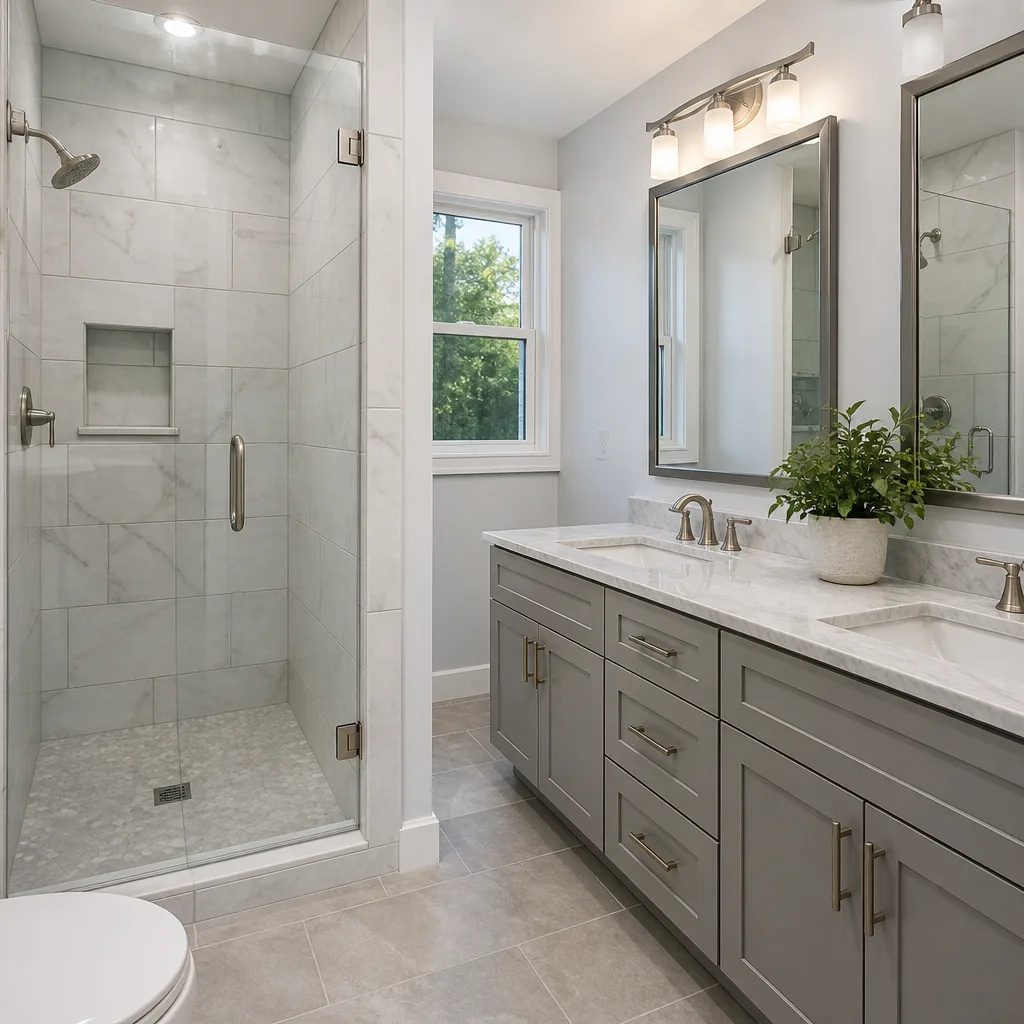
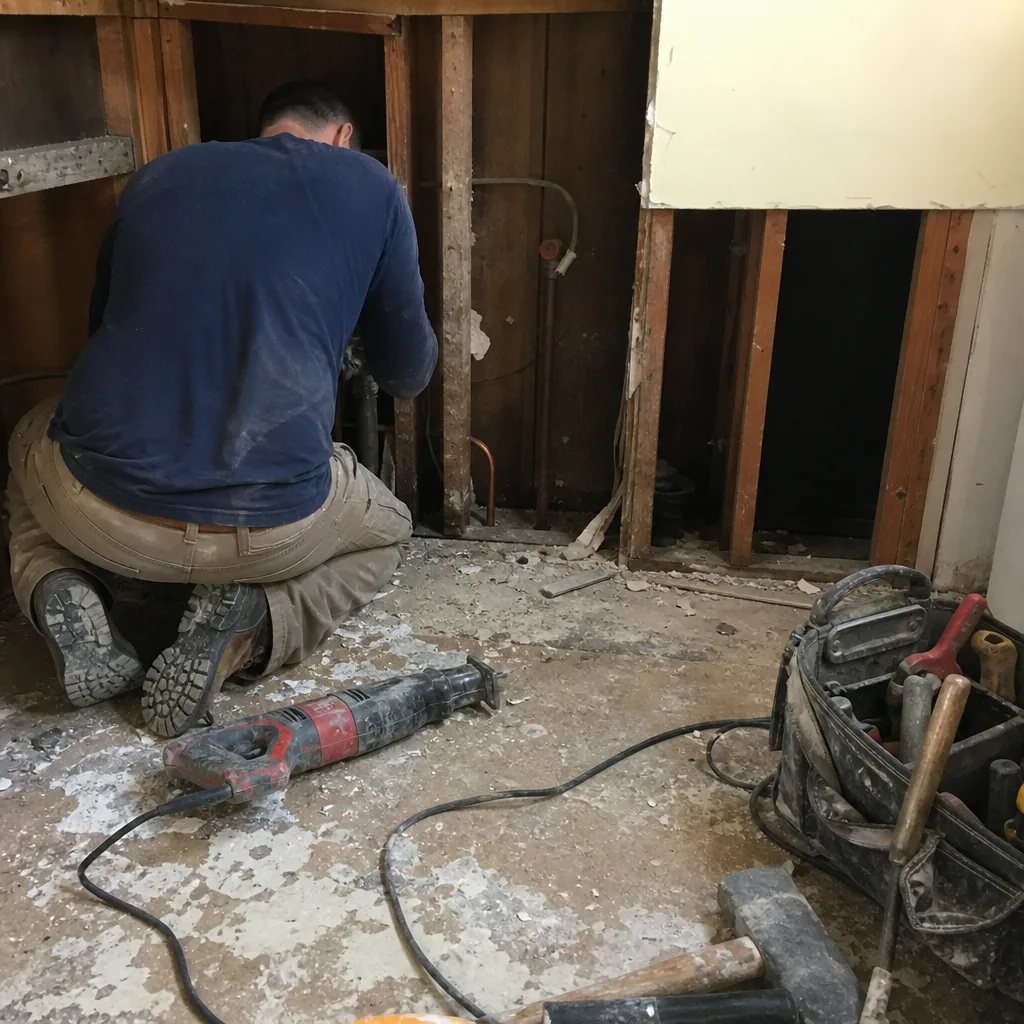
Similarly, Bathroom Remodeling in Oakland often appears DIY-manageable until you encounter the wet-area waterproofing requirements. The TCNA Handbook method for shower pan construction-liquid membrane or sheet membrane with flood testing-requires specific product knowledge. We’ve documented photo records of DIY showers where the membrane terminated incorrectly at the curb, causing $12,000-$18,000 in subfloor and joist rot within three years.
How to Calculate True DIY Cost (Including the Correction)
Most DIY cost comparisons stop at Home Depot receipts. The accurate calculation includes six line items, and the last one is where budgets collapse.
Step 1: Materials at Retail Price
Contractors purchase through distributor accounts at 15-30% below retail. A homeowner’s “savings” starts from a higher baseline than they realize. For a typical Oakland kitchen cabinet refresh:
- KraftMaid semi-custom cabinets through retail: $8,500-$14,000
- Same specification through contractor distributor: $6,800-$11,200
Step 2: Tool Acquisition or Rental
Projects require tools homeowners don’t own. Realistic Oakland rental rates from equipment yards in San Leandro or Berkeley:
- Wet tile saw (weekend): $85-$120
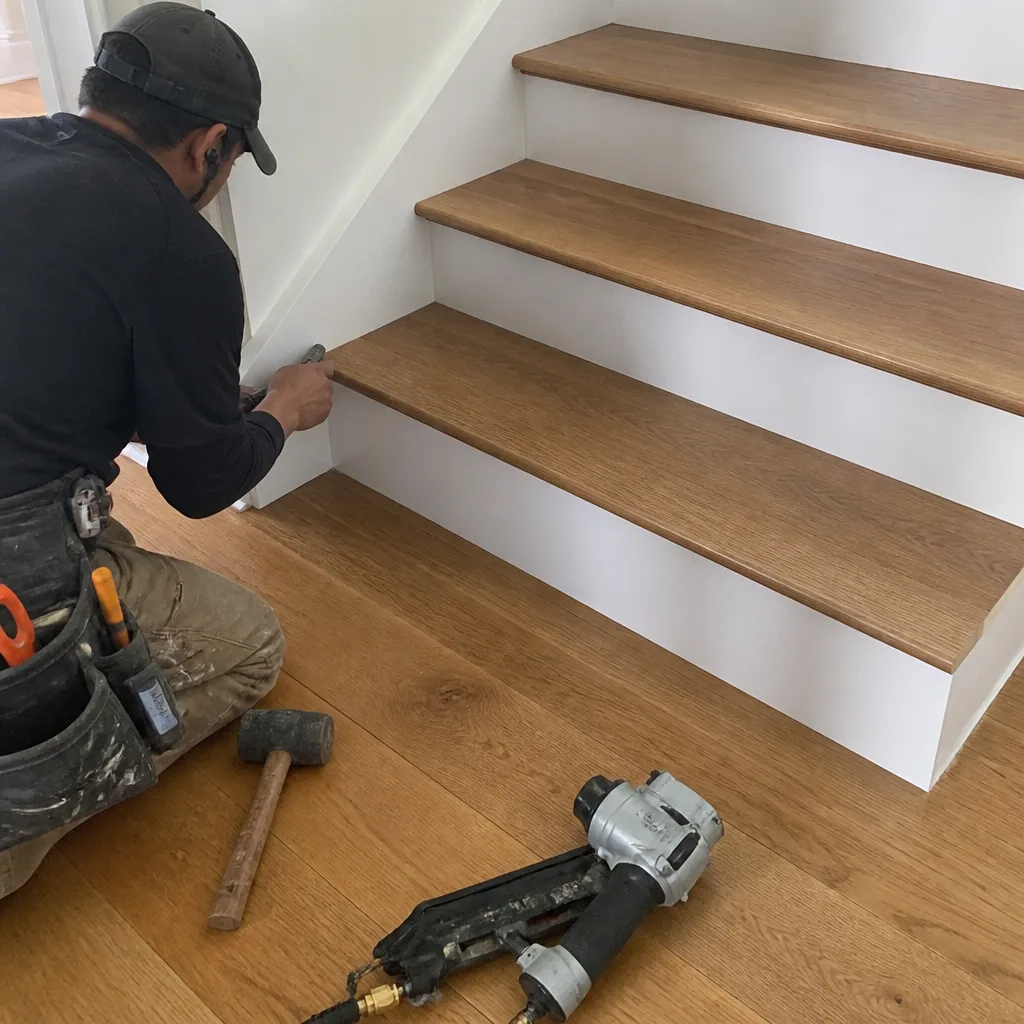
- Pneumatic flooring nailer (week): $180-$240
- Concrete mixer (day): $95-$140
- Diamond blade concrete saw (day): $145-$200
At three projects, rental often exceeds purchase. But purchase means storage in Oakland’s space-constrained housing stock, and maintenance of tools used twice yearly.
Step 3: Permit Fees
Oakland’s permit fee schedule (2024):
- Building permit valuation fee: $120 per $100,000 of project value, plus plan check fees
- Electrical permit: $180-$450 depending on service size
- Plumbing permit: $160-$380 depending on fixture count
- Combined kitchen/bath remodel permit with plan check: $800-$2,400 typical range
Step 4: Your Time at Honest Hourly Rate
This is the omitted variable. Calculate at your actual hourly earnings, not a fantasy rate. If you earn $75,000 annually in the Bay Area, your time is worth approximately $36/hour. A DIY bathroom remodel consuming 120 hours of evenings and weekends represents $4,320 in foregone earnings or leisure value.
Step 5: The Learning Curve Penalty
First-time work takes 40-100% longer than professional pace. A professional tiler completes a standard shower in 16-20 hours. A homeowner’s first attempt: 35-50 hours, with higher waste rates on cut tiles.
Step 6: The Correction Cost
This is the critical line item most guides omit. Industry data from our 4,000-plus projects shows professional correction of DIY work averages 1.4x-2.2x the original contractor bid, because:
- Demo of failed work adds labor
- Adjacent finishes damaged during removal must be replaced
- Schedule urgency (the homeowner is now living with the failure) reduces negotiating position
Real Oakland example: A Glenview homeowner self-installed LVT flooring over an unlevel subfloor. The material cost $2,800. The professional correction-leveling compound, re-installation, baseboard replacement-cost $6,400. Total DIY “savings”: negative $3,600, plus 40 hours of time.
Our Free Second Opinion on Any Written Estimate applies to DIY planning too. Bring your material list and scope notes; we’ll review the line items against what a permitted, inspected job actually requires, at no charge.
Oakland-Specific Risk Factors: Old Housing Stock, New Codes
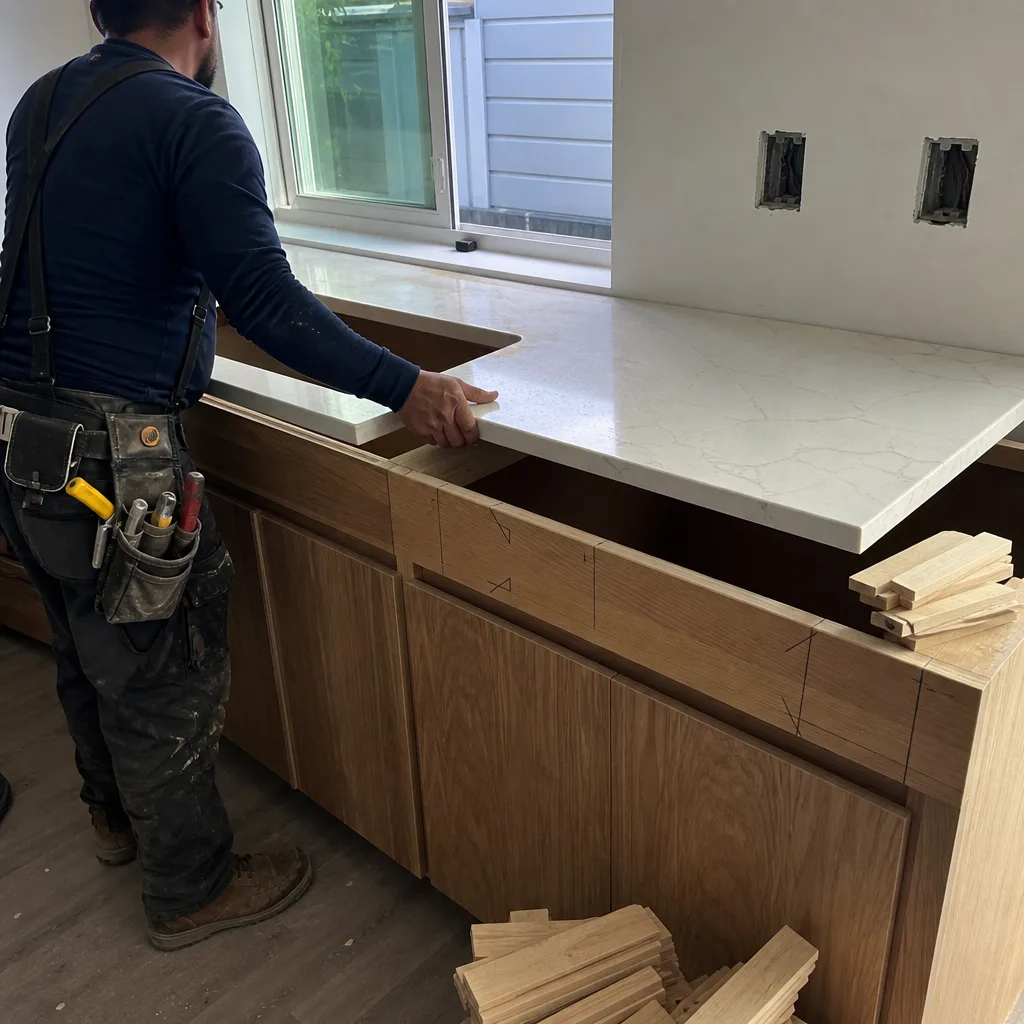
Oakland’s housing inventory creates conditions that shift DIY risk profiles significantly compared to newer construction markets. Four factors dominate:
Knob-and-Tube Wiring in Pre-1945 Housing
Estimates suggest 30-40% of Oakland’s residential stock still contains active or abandoned knob-and-tube wiring, concentrated in Rockridge, Temescal, Longfellow, and Santa Fe neighborhoods. California law permits homeowner electrical work, but knob-and-tube presents specific hazards:
- No ground conductor, making GFCI protection required by current code but technically challenging to implement correctly
- Insulation embrittlement after 80+ years of thermal cycling
- Insurance carriers increasingly require complete removal before policy renewal; partial DIY repairs trigger non-renewal
We’ve documented photo records of homeowner splice attempts using wire nuts on knob-and-tube-an immediate fire hazard that required complete rewiring to correct.
Galvanized Plumbing
Homes built 1920-1960 in Oakland’s flatlands often contain galvanized steel supply lines. Interior corrosion reduces flow and creates particulate contamination. DIY replacement with PEX or copper requires understanding of Oakland’s water pressure characteristics-static pressure in the hills exceeds 80 PSI in some zones, requiring pressure-reducing valves that homeowners omit, leading to fixture damage and warranty voids on Kohler and Delta products.
Original Framing and Seismic Vulnerability
Oakland’s 1991 Uniform Building Code adoption and subsequent amendments require specific seismic connections that didn’t exist in original construction. Opening walls for DIY projects without understanding shear panel continuity, hold-down requirements, or cripple wall bracing can degrade seismic performance. The 2019 CRC Chapter 6 contains 14 pages of seismic retrofit requirements that apply to any structural modification.
Lead and Asbestos Disclosure Obligations
Pre-1978 construction triggers federal RRP (Renovation, Repair, and Painting) rules for any disturbance of painted surfaces. DIY homeowners are not exempt. Oakland’s Alameda County Air Quality Management District enforces asbestos notification for demolition of >100 square feet of building material. Failure to comply generates fines starting at $5,000 and creates disclosure obligations that cloud title.
Climate-Specific Material Selection
Oakland’s marine climate-moderate temperatures, high humidity, salt air influence from the Bay-creates conditions that inland DIY guides don’t address. Exterior paint must specify mildew resistance. Cedar fencing requires different treatment than in Sacramento’s dry heat. Roofing underlayment selection for Oakland’s occasional driving rain events differs from Southern California specifications. GAF and Owens Corning both manufacture region-specific products that contractors access through distributor networks; retail availability often defaults to generic stock inadequate for local conditions.
The Documentation Standard: What Future Buyers Will Need to See
Unpermitted work in Oakland does not simply “go away” when the project finishes. It becomes a latent defect that surfaces during resale, refinancing, or insurance claims. The documentation standard for self-performed work is identical to professional work: permits pulled, inspections passed, certificates issued.
The Four-Document Minimum
- Permit application with approved plans: Available from Oakland’s Permit Center. Must match completed work scope exactly.
- Inspection records with sign-offs: Each trade inspection (rough electrical, rough plumbing, framing, final) must show inspector approval. Oakland uses an online system; homeowners must create accounts and track status.
- Certificate of Occupancy or Final Inspection Card: Required for any structural addition, ADU, or room conversion. Missing this document triggers mandatory disclosure to buyers.
- Product documentation: Warranties, installation instructions, and compliance certificates for materials used. Required for manufacturer warranty claims and insurance recovery.
Resale Consequences of Missing Documentation
California’s Transfer Disclosure Statement (TDS) specifically asks: “Are you aware of any room additions, structural modifications, or other alterations or repairs made without necessary permits?” Answering “yes” or “unknown” triggers buyer investigation. Answering “no” when unpermitted work exists creates fraud liability.
The financial impact is quantifiable. A 2023 analysis of Oakland MLS sales showed homes with documented permitted additions sold at 4-7% premium over comparable unpermitted work, after controlling for size and condition. For an $850,000 home, that’s $34,000-$59,500 in lost equity.
More critically, unpermitted ADUs-currently popular in Oakland’s push for density-cannot be legally rented in many cases, and title companies increasingly refuse to insure them. The ADU you built to “add value” becomes a liability that must be disclosed, remediated, or removed before sale.
Rowan Construction Group’s documented photo record on every visit, included as standard, creates a parallel documentation stream that permits alone don’t capture. When we complete a project, the customer receives: permit records, inspection sign-offs, product warranty registrations, and a photo record showing substrate conditions, installation steps, and final state. This package transfers cleanly to future buyers.
Common Mistakes to Avoid
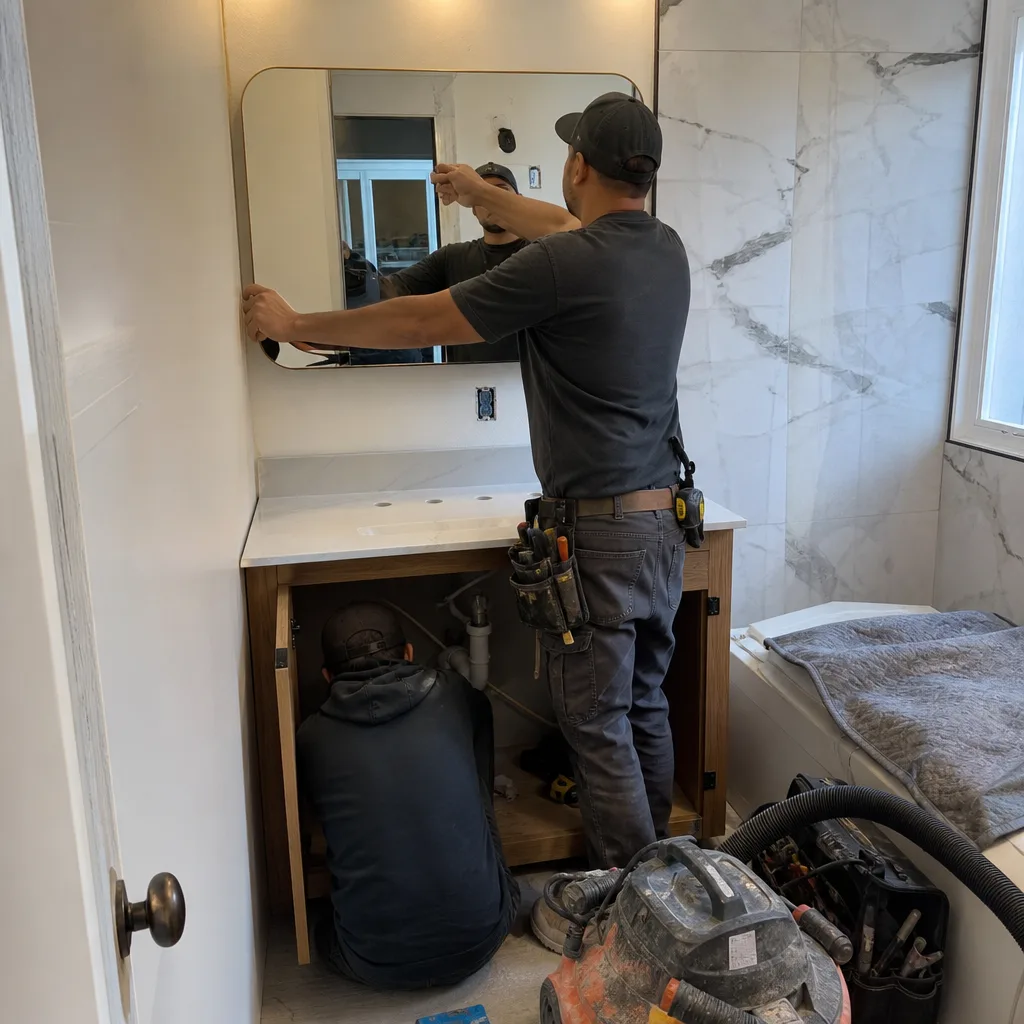
- Assuming YouTube matches your house. Most DIY construction content is filmed in new construction or Sun Belt climates. A 1923 Oakland bungalow with balloon framing, no vapor barrier, and three layers of previous “improvements” presents conditions no 12-minute video addresses.
- Pulling a permit for cosmetic work. Unnecessary permits create inspection obligations that slow projects and trigger reassessment. But skipping required permits creates larger problems. Oakland’s online permit lookup makes verification trivial for buyers and their agents.
- Ignoring the “like kind” rule for window and door replacement. Oakland allows owner-installed replacement in existing openings without structural modification. Changing opening size, converting windows to doors, or adding new openings triggers engineering and structural permits that homeowners routinely miss.
- Using big-box retail products for wet areas. The Blanco silgranit sink and Delta valve at retail may share a brand name with contractor-grade products but differ in warranty terms and installation requirements. We’ve replaced homeowner-installed “name brand” fixtures that failed because the specific SKU required professional installation for warranty validity.
- Underestimating Oakland’s plan check timeline. Owner-builder permit applications go through the same queue as professional submissions. Current Oakland plan check timelines run 4-8 weeks for residential additions. Homeowners planning “a quick summer project” in May often receive permits in August.
- Failing to coordinate inspections. Each trade inspection must occur in sequence: rough before cover, final after completion. Missing an inspection window means removing finished work for access. Oakland’s inspection scheduling requires online booking 48 hours in advance; same-day requests are rarely available.
- Neglecting the one-year sale restriction. Owner-builder work cannot be sold within 12 months without specific disclosure and completed inspections. Homeowners planning to relocate should calculate this constraint into project timing.
When to Call a Professional
Call a licensed contractor when the project touches permits, structural elements, or trade-specific licenses; when your home was built before 1978 and may contain lead or asbestos; when the work location involves heights, high voltage, or gas lines; or when you cannot afford the time and cost of a complete redo if your first attempt fails.
In Oakland’s market, where professional correction of DIY work costs 140-220% of the original contractor bid, the “savings” calculation rarely survives contact with reality for anything beyond cosmetic finish work. The owner-builder disclosure transfers liability that professionals carry through licensing, bonding, and insurance-protections that cost money because they have value.
Rowan Construction Group Oakland offers free estimates in Oakland - call (628) 300-4376. Every estimate includes a written price, written scope, and written warranty before any work starts. Bring a competitor’s quote or your DIY material list for a Free Second Opinion review, line by line, at no charge.
Frequently Asked Questions
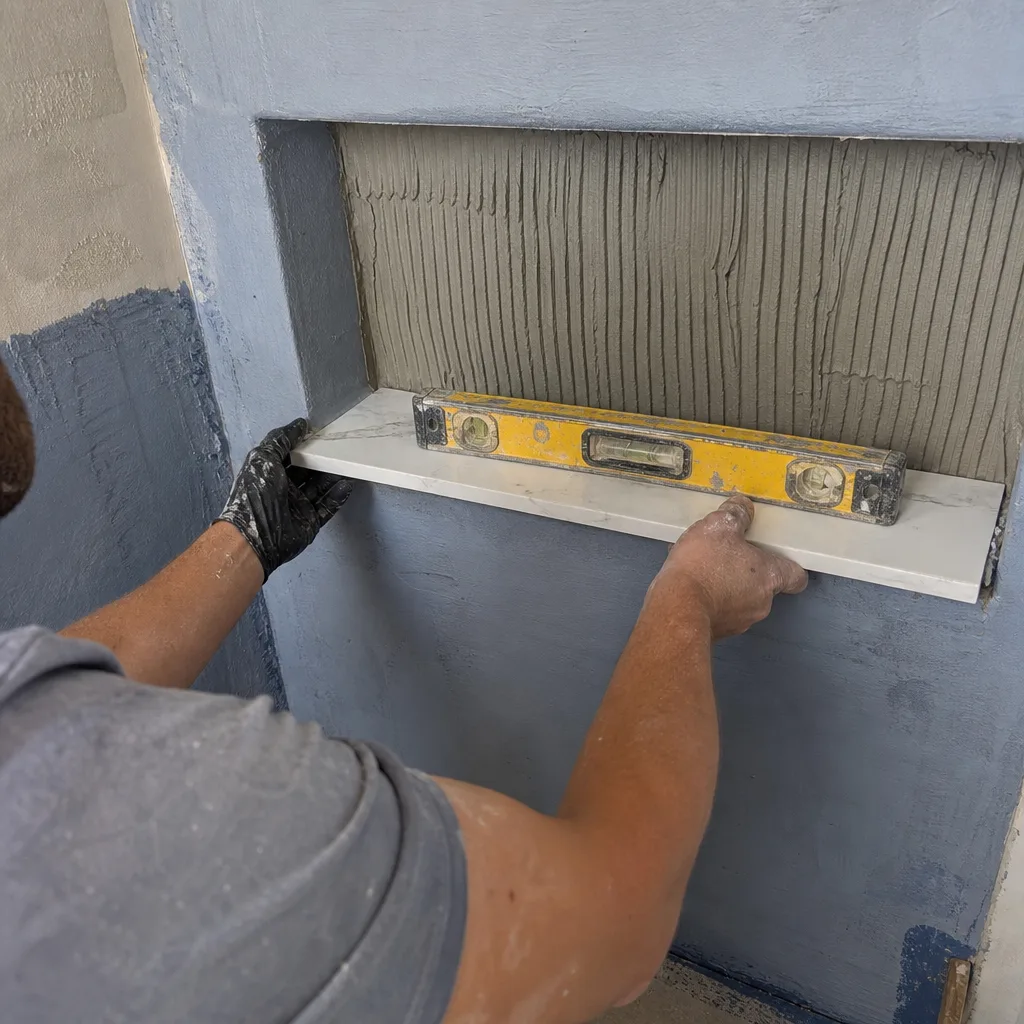
A partial DIY kitchen remodel-where a contractor handles electrical, plumbing, and structural modifications, and the homeowner manages painting, hardware installation, and backsplash tile-typically reduces the contractor portion by 10-15%, not the 50% homeowners often expect. See our Kitchen Remodeling Maintenance Checklist for Oakland Homeowners for keeping your investment in top condition. For a mid-range Oakland kitchen, expect $45,000-$75,000 for the contracted scope, with homeowner finish work adding $800-$2,500 in materials but 40-80 hours of time. Call (628) 300-4376 for an exact quote on your specific scope - estimates are free.
Yes, California allows homeowners to perform electrical work on their own primary residence with an owner-builder permit, but you must pass the same inspections and carry the same liability as a C-10 licensed electrician. Knob-and-tube wiring, panel upgrades, and new circuits present fire and electrocution hazards that make professional work the recommended path for most Oakland homes built before 1960. The owner-builder disclosure transfers liability for any injury or fire to your personal assets.
Yes, almost always. Oakland’s permit records are searchable online, and buyer inspectors routinely note discrepancies between permitted square footage and actual conditions. Unpermitted work must be disclosed on California’s Transfer Disclosure Statement; failure to disclose creates fraud liability. Even “minor” unpermitted work-like a bathroom conversion without permits-triggers renegotiation or remediation requirements in 60-70% of Oakland transactions where it’s discovered.
Search the CSLB license number at cslb.ca.gov. Verify the classification matches your project: C-10 for electrical, C-36 for plumbing, C-39 for roofing, B-General for structural work. Check that the license status is “Active” and the bond and workers’ compensation insurance are current. Rowan Construction Group’s license number appears on every page; every crew member is verified before arrival, and documentation is available on request.
For a standard 5×8 bathroom, DIY materials run $4,000-$8,000, while professional bids range $25,000-$45,000. But the DIY figure excludes tools, permits, time value, and correction costs. When a typical homeowner accounts for 120 hours at $36/hour and a 30% correction contingency, the true DIY cost reaches $14,000-$20,000-with no warranty, no insurance backing, and documentation that may not transfer to buyers. Professional work includes permits, inspections, product warranties, and the 365-Day Done Right Promise. Call (628) 300-4376 to compare specific numbers for your project.
Legally yes, as an owner-builder. Practically, ADU construction in Oakland involves navigating state density bonus laws, local impact fee schedules, utility connection requirements, and fire separation standards that make professional management cost-effective. The owner-builder disclosure’s one-year sale restriction also applies, limiting flexibility. ADU projects we’ve completed in Oakland’s Dimond and Laurel districts typically involve 8-12 separate inspections; missing sequencing or documentation creates delays that extend project timelines by months.
Retain: the signed contract with written scope and price; all permit applications and approved plans; inspection sign-off records; final inspection card or certificate of occupancy; product warranties and installation certificates; and any photo documentation of work progress. Rowan Construction Group delivers all of these as standard, including the documented photo record on every visit, so the customer has evidence of substrate conditions, installation quality, and final state before the crew leaves.
The Bottom Line
The DIY-versus-professional decision in Oakland is a permit and liability calculation, not a skill assessment. California’s owner-builder laws let homeowners self-perform nearly anything, but the disclosure they sign transfers risk that professionals absorb through licensing, insurance, and bonding. For cosmetic finish work-painting, basic tile, hardware-DIY makes sense when you value the process itself. Explore more guides & resources to plan your project with confidence. For anything requiring permits, touching structural elements, or involving electrical, plumbing, or roofing trades, the true cost calculation including time, tools, permits, and correction contingency rarely favors self-performance. The documentation standard is identical either way: permits pulled, inspections passed, records preserved. Professional work simply includes that documentation as a deliverable, not a homework assignment.
Written by Grant Rowan, Owner at Rowan Construction Group Oakland, serving Oakland since 2007.