
Last updated September 25, 2026
Free written scope consultation - allowances, timeline, and change-order rules on paper before a single trade is scheduled







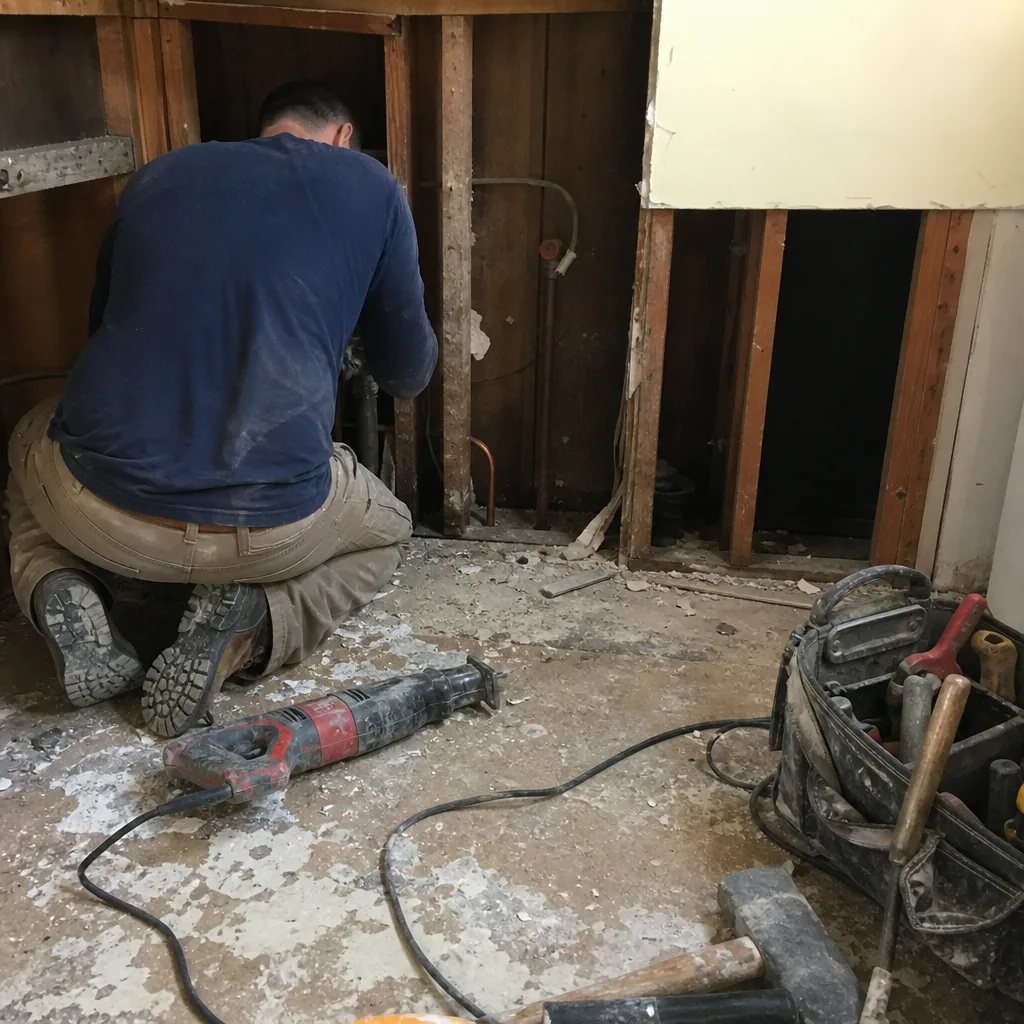 Before
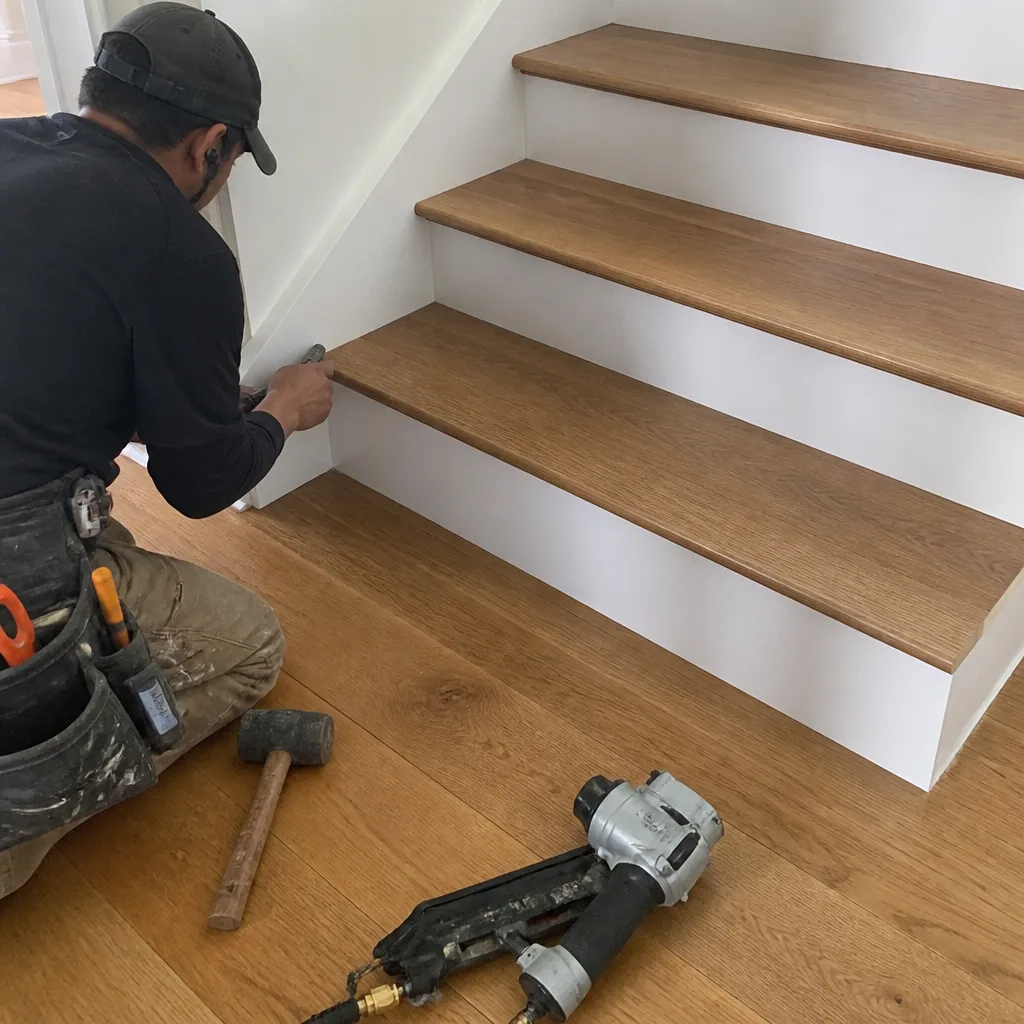 After
After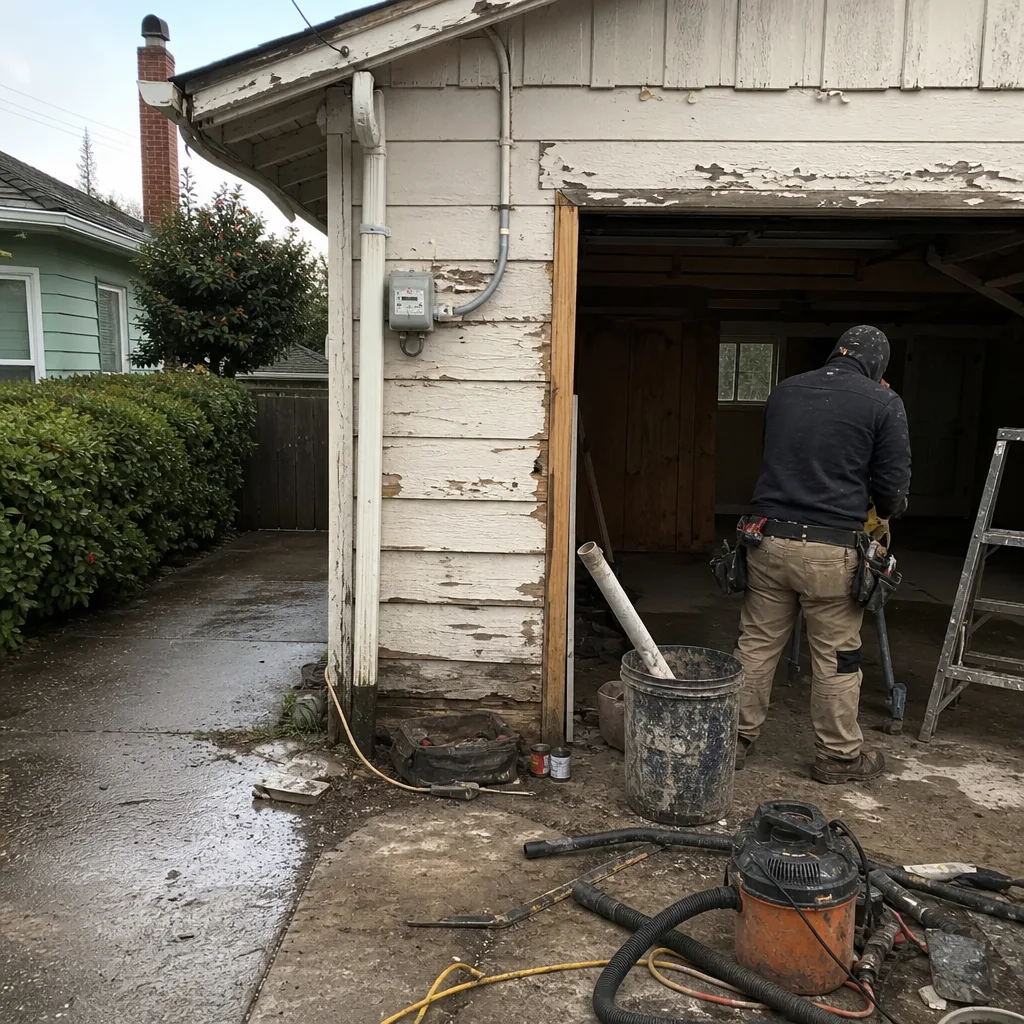 Before
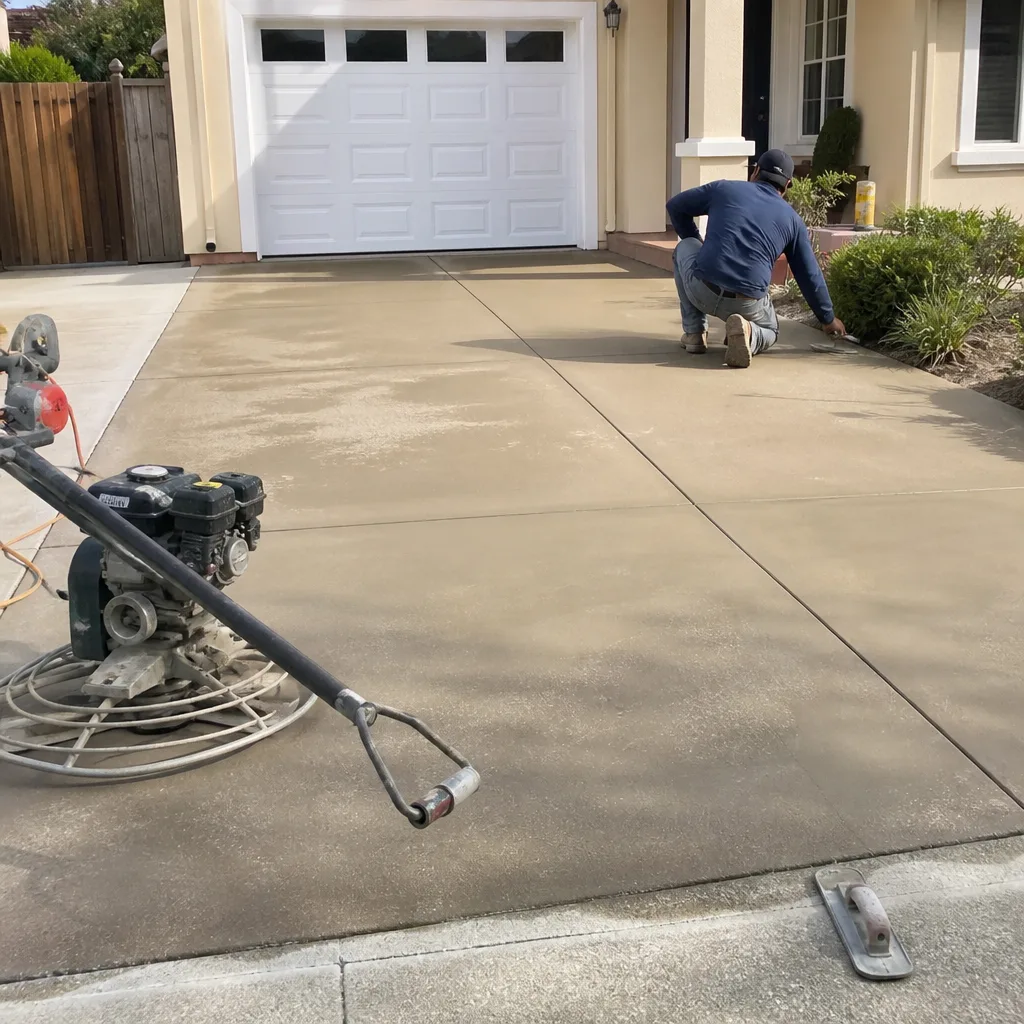 After
AfterSeasonal Construction Care for Oakland: Year-Round Homeowner’s Guide
Oakland averages only 23 inches of rain annually, but that rain falls almost entirely in a four-month window. That means your drainage systems, caulk joints, and roof penetrations absorb a full year’s water load in 120 days, then bake dry for eight months. This cycle - concentrated saturation followed by prolonged UV exposure - degrades materials faster than gradual year-round weathering would. In this guide, we’ll walk through a maintenance calendar built specifically for Oakland’s conditions: the wet-season concentration, summer wildfire smoke particulates, and the expansive clay soils that shift beneath homes from the flatlands to the Oakland hills. For a deeper look at the full project lifecycle, see The Complete Guide to Construction in Oakland.
Quick Answer
Seasonal construction care in Oakland means front-loading drainage and exterior sealing inspections before the October-to-April wet season, checking for smoke particulate damage on HVAC and attic systems after August wildfire events, and monitoring foundation-adjacent soil grading in April after clay soils have expanded and contracted through the winter. A written maintenance schedule prevents the emergency repairs that cost Oakland homeowners 40-60% more than scheduled upkeep. For detailed cost planning, see our Construction Cost Breakdown: The Oakland Homeowner’s Reference for 2026.
Table of Contents
- October-November: Pre-Wet-Season Drainage and Exterior Sealing
- December-January: Mid-Wet-Season Monitoring and Interior Moisture Checks
- February-March: Late-Wet-Season Structural Assessment
- April-May: Post-Wet-Season Soil Movement and Foundation Review
- June-July: Dry-Season Exterior Preparation and Deck Maintenance
- August-September: Smoke Season HVAC and Attent Ventilation Inspection
- Year-Round: Caulk, Flashing, and Penetration Maintenance
- Common Mistakes to Avoid
- When to Call a Professional
- Frequently Asked Questions
BeforeAfterOctober-November: Pre-Wet-Season Drainage and Exterior Sealing
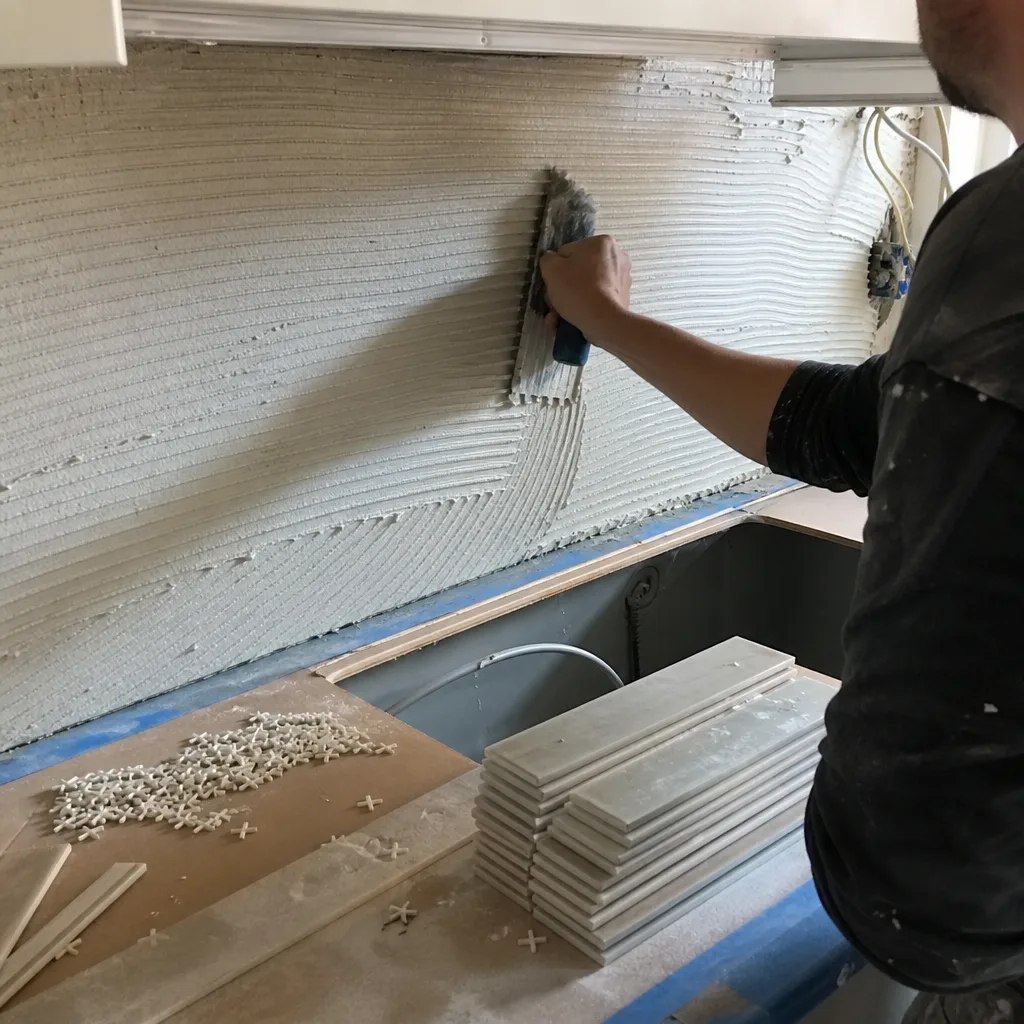
The most important construction maintenance window in Oakland opens in October, before the first major storm. We’ve seen too many Rockridge and Montclair homeowners discover failed flashing in November, when water is already entering the wall cavity.
Roof and gutter system: Inspect shingles or tiles for lifting, cracking, or granule loss. Check that gutters are clear and that downspouts discharge at least six feet from the foundation. In the Oakland hills, where pine needles accumulate faster than in the flatlands, this means removing debris by hand rather than relying on gutter guards alone. Verify that gutter seams are sealed with a product rated for thermal cycling; standard caulk hardens and separates under Oakland’s wet-to-dry extremes.
Window and door seal inspection: Open each operable window and examine the weatherstripping for compression set - the permanent flattening that occurs when rubber or foam loses resilience. On fixed windows, check the exterior caulk bead where the frame meets the siding. In our experience, west-facing Oakland homes in the fog belt need more frequent caulk replacement because marine moisture keeps substrates damp longer, accelerating mold growth behind failed seals.
Foundation perimeter grading: Use a four-foot level and a garden hose to confirm soil still slopes away from the foundation at 6 inches of drop per 10 feet of run. October is the baseline; you’ll compare against this measurement in April. Document with photos - the photo record we include as standard on every Rowan visit is modeled on this same discipline of evidence.
Key tasks for October-November:
- Clean and test all gutters and downspouts; verify discharge points
- Inspect roof penetrations (vents, chimneys, skylights) for cracked flashing or separated sealant
- Replace weatherstripping on windows and exterior doors if compressed or brittle
- Re-caulk exterior window and door frames with a product rated for 50% joint movement, such as OSI Quad Max or Sikaflex 1a
- Photograph foundation grading for April comparison
- Test sump pumps if present; Oakland’s older flatland homes in areas near the estuary may have perimeter drain systems that need exercise
December-January: Mid-Wet-Season Monitoring and Interior Moisture Checks
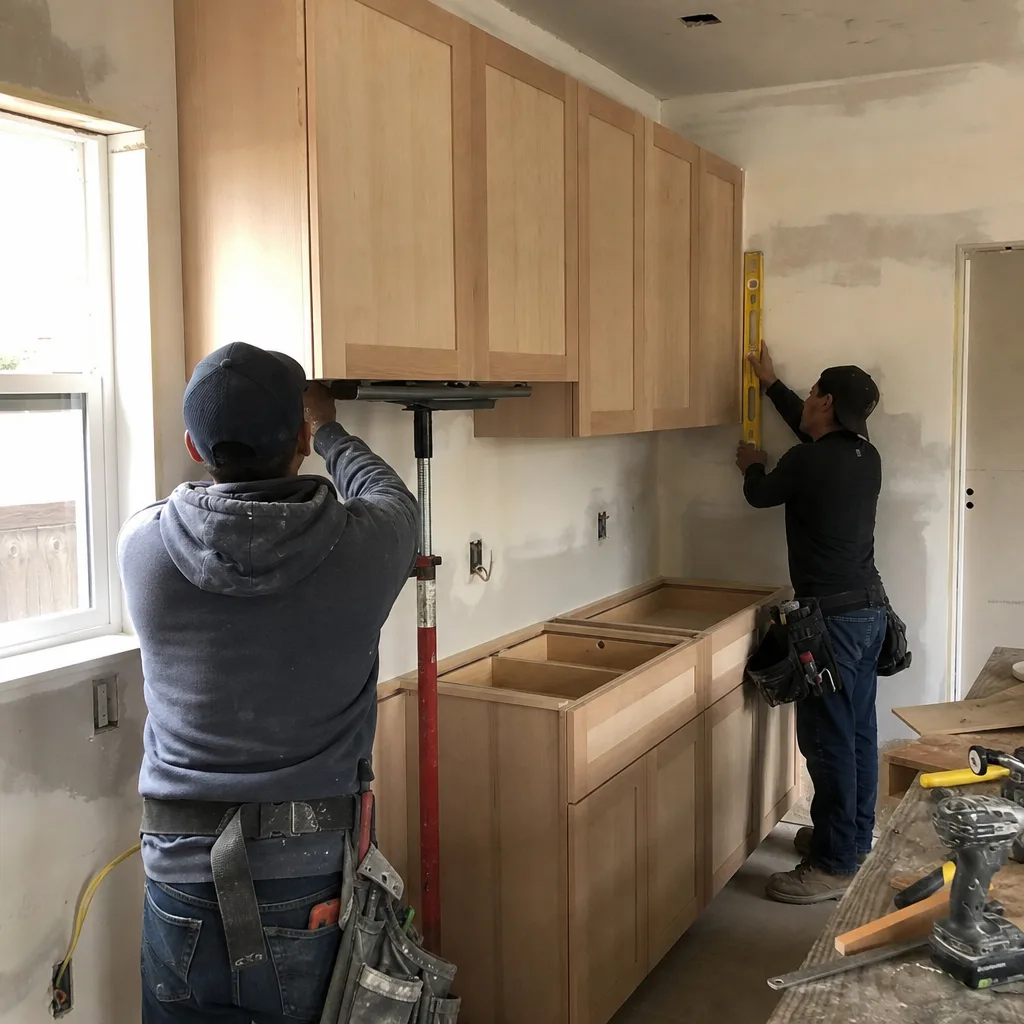
Once the rains begin, the maintenance shift moves from prevention to detection. Oakland’s concentrated wet season means systems are under continuous load for weeks at a time.
Interior moisture indicators: Check closet corners, baseboard edges, and ceiling fixtures for discoloration or efflorescence - the white powder that forms when water carries mineral salts through plaster or drywall. In Temescal and Pill Hill Victorians with balloon framing, water can travel far from its entry point before showing interior signs. We recommend a monthly walk-through with a flashlight, checking the same points each time.
Attic inspection: If accessible, examine attic sheathing for darkening or staining around nail penetrations. These are early indicators of condensation or minor roof leaks. Verify that insulation is not compressed against the eaves, which blocks soffit ventilation and creates cold spots where moisture condenses. Oakland’s mild temperatures mean attics rarely freeze, but they do stay damp longer than in drier climates.
Exterior observation during rain: Walk the perimeter during a moderate storm and watch how water moves. Does it sheet off the roof cleanly? Pool anywhere near the foundation? Overflow from gutters at seams? This live observation reveals problems that dry-weather inspection cannot.
HVAC filter load: Even in winter, check filters monthly if you’re running heat. Oakland’s winter air carries particulates from wood-burning fireplaces, common in the hills, plus the residual load from autumn leaf decay.
February-March: Late-Wet-Season Structural Assessment
By February, cumulative moisture load has revealed most active problems. This is the window for structural assessment before the dry season makes symptoms disappear.
Foundation and crawl space: If your Oakland home has a crawl space, this is the critical inspection window. Look for standing water, vapor barrier displacement, or fungal growth on joists. The clay soils common in Oakland’s flatlands expand when saturated, then contract dramatically in summer. This seasonal cycling can crack concrete perimeter walls or separate piers from beams. Document any new cracks with dated photos and width measurements - a crack that grows from 1/16 inch to 1/8 inch between February and April indicates active movement requiring professional evaluation.
Exterior wood condition: Probe sill plates, rim joists, and any wood within 12 inches of grade with a screwdriver. Softened areas indicate moisture intrusion that may not be visible. In Oakland’s Dimond and Laurel districts, where many homes have raised foundations with wood siding extending close to grade, this is a frequent finding.
Retaining wall inspection: Hillside homes in Montclair, Piedmont Pines, and Oakmore should check retaining walls for bulging, cracking, or weep hole blockage. Saturated soil behind a wall exerts hydrostatic pressure that peaks in late winter. A wall that appears stable in October may show distress now.
Window weep screed and drainage: Modern windows have small drainage slots at the exterior sill - the weep screed - that allow condensed moisture to escape. These clog with debris and need clearing. If blocked, water overflows into the wall below.
April-May: Post-Wet-Season Soil Movement and Foundation Review
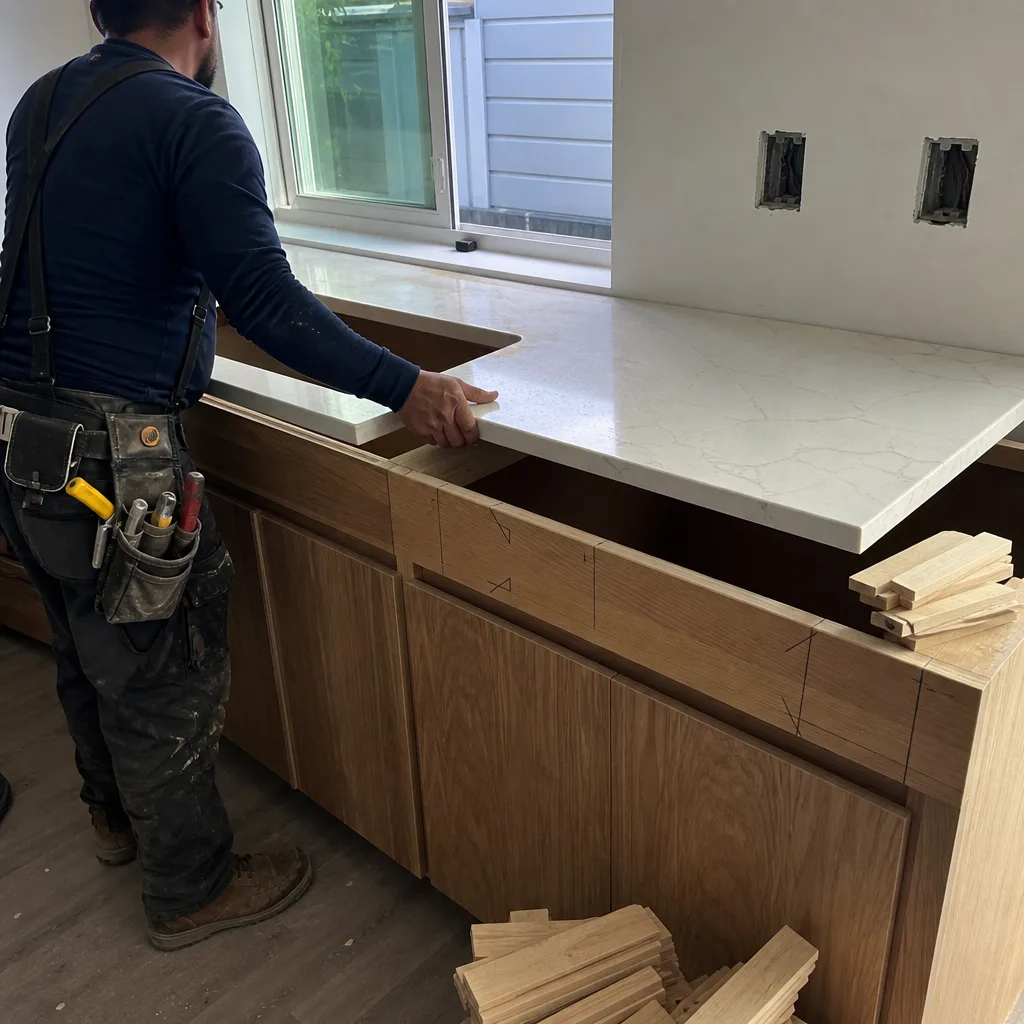
April is the comparison month. Return to your October foundation photos and re-measure grading with the same four-foot level and hose method.
Grading verification: Place the level on the soil surface perpendicular to the foundation wall. Raise the end nearest the house until level, then measure the gap beneath the far end. For a four-foot level, you want at least 2.4 inches of gap - that’s your 6-in-10 slope. Run the hose at the foundation and observe: water should flow away visibly, not pool or reverse toward the wall. If grading has flattened or reversed, the wet-season soil expansion and your own winter foot traffic have compromised the slope. This is common in Oakland’s clay-heavy soils, which swell when wet and can lift landscape features slightly.
Crack documentation: Re-measure any foundation or stucco cracks noted in February. Stable cracks that haven’t widened are typically cosmetic. Growing cracks, or cracks that show differential movement (one side higher than the other), need structural evaluation. Under Clause 1 of the Haven Standard, Rowan provides a written assessment before any repair is proposed.
Exterior paint and sealant: The wet-to-dry transition stresses paint film. Check south- and west-facing walls for bubbling, alligatoring, or chalking - the powdery residue that indicates UV degradation of the paint binder. Oakland’s eight dry months are hard on exterior coatings; the paint may look fine in March and fail visibly by August.
Concrete and hardscape: Check driveways, patios, and walkways for new cracking or settlement. Clay soil shrinkage in early dry season can create voids beneath slabs, leading to rocking or cracking under load. Rowan Construction Group Oakland home crews document these conditions with photos for comparison at the next cycle.
June-July: Dry-Season Exterior Preparation and Deck Maintenance
Oakland’s dry season brings different stresses: UV exposure, thermal expansion, and for homes in the fog belt, persistent marine moisture that never fully dries surfaces.
Deck and exterior wood: The standard advice to “stain every three years” undershoots for many Oakland homes. West-facing decks in the fog belt - neighborhoods like Rockridge, Claremont, and the western edge of Piedmont - receive constant marine moisture plus afternoon sun. We’ve inspected decks in these micro-climates where the horizontal surfaces needed refinishing in 18 months, not 36. The south- and east-facing decks in the Oakland hills dry faster and may indeed last three years.
To assess your deck: sprinkle water on the horizontal boards. If it beads, the finish is intact. If it soaks in within 30 seconds, the wood is unprotected and will gray, crack, and invite fungal decay even in dry weather. For refinishing, we specify penetrating oil-modified stains (Penofin, Cabot Australian Timber Oil) over film-forming products, which peel when moisture vapor drives through the wood from below.
Exterior caulk and sealant renewal: June is ideal for re-caulking because surfaces are dry and will remain so for 48 hours after application. Use a polyurethane or hybrid sealant rated for both UV exposure and 50% joint movement - critical in Oakland’s seismic zone, where structures flex in minor tremors. OSI Quad Max, Sikaflex 1a, and Dow Corning 795 are products we’ve specified repeatedly. Avoid pure silicone on painted surfaces; it doesn’t accept paint and fails cosmetically even when the seal remains.
HVAC preparation: Replace filters before the August smoke season begins. A clean filter loads more slowly when particulate counts spike.
August-September: Smoke Season HVAC and Attic Ventilation Inspection
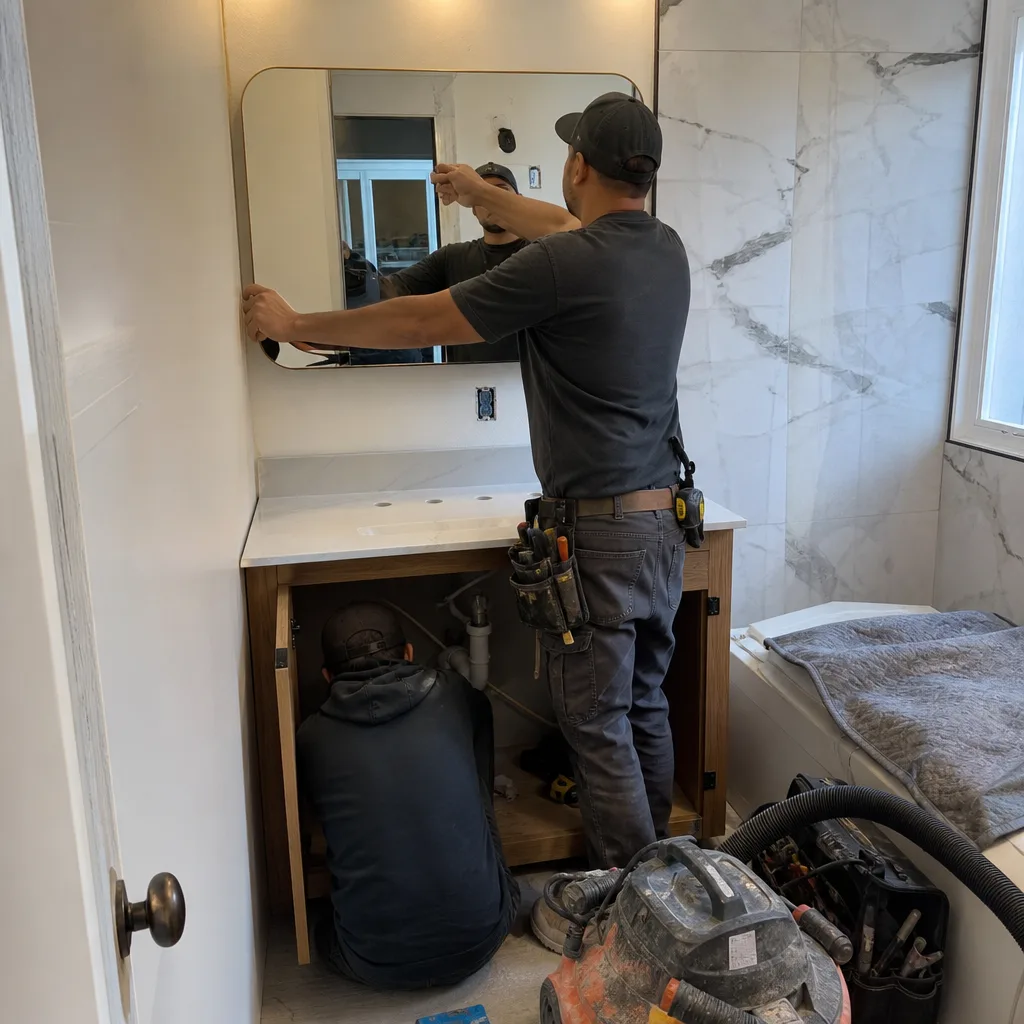
August through October increasingly brings wildfire smoke to the Bay Area, even when fires are distant. Oakland’s hill homes, particularly those above 500 feet in Montclair, Oakmore, and the upper reaches of Redwood Heights, experience more sustained exposure due to atmospheric settling patterns.
HVAC filter replacement and upgrade: Standard fiberglass filters capture large particles but pass the fine particulates (PM2.5) that dominate wildfire smoke. Upgrade to a MERV 13 pleated filter during smoke events if your system can handle the static pressure - check the manufacturer’s rating, as some residential units are limited to MERV 8. After a significant smoke event, replace the filter regardless of elapsed time; the particulate load saturates the media.
Attic ventilation inspection: Attic vents draw air continuously, and during smoke events they draw particulates. Inspect attic spaces after major smoke periods for darkening of insulation surfaces or sheathing. This indicates infiltration that may be reduced with better vent screening or temporary sealing strategies during future events. We do not recommend homeowner modification of ventilation systems - the balance between moisture control and particulate exclusion requires professional assessment - but documentation of conditions helps guide that conversation.
Exterior surface cleaning: Smoke particulates settle on paint, stucco, and roofing. A gentle wash with a garden hose and soft brush removes the alkaline ash residue that can etch paint film over time. For Roofing in Oakland, avoid pressure washing asphalt shingles; the granular surface protects the asphalt mat, and pressure dislodges it.
Window and door seal check: Smoke finds gaps that water doesn’t. After a smoke event, operate each window and door; if you smell smoke residue in the track or feel air movement at the closed seal, the weatherstripping or caulk has failed. This same gap admits winter moisture.
Year-Round: Caulk, Flashing, and Penetration Maintenance
Some maintenance isn’t seasonal - it’s continuous, with frequency adjusted to condition rather than calendar.
Exterior penetration re-caulking protocol: Every penetration through your exterior envelope - windows, doors, hose bibs, electrical service entrances, dryer vents, gas lines - is a potential water and air entry point. In Oakland’s seismic zone, the structure moves slightly in tremors; in the fog belt, substrates stay damp; in the hills, UV is intense. These conditions degrade caulk faster than national averages suggest.
When to re-caulk: Inspect annually. Signs of failure include visible cracking, separation from either substrate, discoloration, or the “pull test” - grasp the bead and pull gently; if it separates cleanly without stretching, it’s failed. A proper caulk bead should exhibit cohesion, stretching and tearing within itself rather than debonding.
Product selection for Oakland conditions:
- Painted surfaces, moderate movement: OSI Quad Max - paintable in 24 hours, 50% joint movement rated, excellent UV resistance
- High-movement joints, unpainted: Sikaflex 1a polyurethane - 35% movement, very long service life, limited color range
- Window perimeters, frequent wet-dry cycling: Dow Corning 795 silicone - not paintable, but superior adhesion to glass and aluminum; use where appearance allows or where painted trim can be detailed to conceal
- Concrete and masonry control joints: Sonneborn NP1 or Sikaflex 2c NS - designed for the thermal expansion of concrete, which in Oakland’s sun can exceed 1/8 inch per 10 feet
Application discipline: Cut the nozzle to produce a bead slightly wider than the joint gap. Tool with a wet finger or rounded tool to create a concave profile that sheds water. The caulk should adhere to both sides of the joint but not fill the back - use backer rod (closed-cell foam rod) in deep joints to prevent three-sided adhesion, which causes failure.
For window and door replacement in Oakland, we specify products from CWS, ES Windows, ECO Window Systems, and Mr-Glass - brands with documented performance in seismic and marine environments. The installation matters as much as the product; a premium window with failed perimeter seal performs worse than a basic window properly flashed and caulked.
Common Mistakes to Avoid
- Waiting for visible interior damage before inspecting. By the time water stains appear on drywall, the substrate has been wet for weeks or months. Oakland’s mild temperatures mean mold can establish before occupants notice odor. Inspect preventively in October, not reactively in January.
- Using interior caulk on exterior applications. Acrylic latex caulk is economical and easy to tool, but it lacks the UV resistance and joint movement capacity that Oakland’s conditions demand. It fails within one season on exterior exposures.
- Pressure-washing asphalt shingle roofs. The granular surface is the UV protection; removing it accelerates aging. We’ve replaced Oakland hills roofs where well-meaning cleaning shortened service life by five years. Use low-pressure rinse only.
- Ignoring fog belt micro-climates. West Oakland, Emeryville-adjacent areas, and the flatlands near the bay receive persistent marine moisture that keeps wood damp year-round. The three-year stain cycle is a national average, not a local rule. Check annually and refinish when water no longer beads.
- Failing to document conditions. Without dated photos and measurements, you cannot distinguish stable cracks from active movement. The documented photo record we provide on every Rowan visit exists because we’ve seen too many disputes resolved by evidence that should have been routine.
- Assuming new construction needs no maintenance. Oakland’s ADU boom has produced many new structures on existing lots with mature trees, modified drainage, and clay soils. New construction settles, caulks cure and shrink, and grading compacts. Inspect in the first year more frequently, not less.
- Neglecting attic ventilation after smoke events. Particulate accumulation on insulation reduces its effectiveness and can harbor odors. A visual inspection after major smoke events prevents long-term issues that are invisible from living spaces.
When to Call a Professional
Some conditions exceed homeowner maintenance scope. Call a licensed contractor when you find foundation cracks wider than 1/4 inch or showing differential vertical movement; roof leaks that persist after gutter cleaning and obvious repair; retaining wall bulging, tilting, or weep hole discharge of soil; electrical service penetration leaks; or any structural modification, including deck railing replacement or stair repair. These involve code compliance, load-path continuity, or safety systems that require professional evaluation and permitting.
Rowan Construction Group Oakland offers free estimates for all seven trades - Kitchen Remodeling in Oakland, Bathroom Remodeling in Oakland, roofing, windows and doors, fencing, driveway and pavers, and home additions including ADUs. Every estimate is a flat written price with a written scope, delivered before any work starts. Call (628) 300-4376 to schedule. We also provide a Free Second Opinion on any competitor’s written estimate - bring it in and we’ll review it line by line at no charge.
Frequently Asked Questions
Professional seasonal maintenance inspection and basic service - gutter cleaning, caulk renewal, HVAC filter replacement, and documented condition assessment - typically ranges from $400 to $900 for a single-family home in Oakland, depending on size, access difficulty, and the extent of caulk renewal needed. Deferred maintenance that requires repair rather than prevention adds $1,500 to $5,000 or more. Under Clause 1 of the Haven Standard, Rowan delivers a written price before any work starts. Call (628) 300-4376 for an exact quote - estimates are free.
No. Rowan’s written price is flat and fixed; no work proceeds on a change until the change order is signed. This discipline, acquired through The Haven Standard, has kept our projects within a few percent of the agreed price across 4,000-plus jobs since 2007. If inspection reveals conditions not visible during estimate, we document with photos and present a revised written scope before proceeding.
Inspect annually in October, before the wet season. In Oakland’s seismic zone and fog belt micro-climates, caulk degrades faster than national guidance suggests. West-facing exposures in marine-influenced neighborhoods may need renewal every 18 to 24 months; sheltered east-facing surfaces may last three to four years. Test with the pull method and water beading; don’t rely on elapsed time alone.
Pure maintenance - cleaning, caulking, filter replacement, painting - typically does not require permits. Repairs that involve structural elements, electrical or plumbing systems, or changes to the building envelope may. In Oakland, roof repairs exceeding 100 square feet, window replacements that alter egress requirements, and any retaining wall work require permits. See Construction Permits, Codes & Inspections in CA: What You Need to Know for full details on compliance requirements. Rowan pulls all required permits and schedules inspections as part of our standard process; the permit cost is included in the written price.
Smoke particulates (PM2.5 and smaller) pass standard HVAC filters and accumulate on coil surfaces, reducing efficiency. They deposit in attic insulation, creating odor reservoirs and slight thermal performance reduction. On exterior paint, alkaline ash residue etches the film if left unwashed. After significant smoke events, replace MERV 13 filters, inspect attic surfaces for darkening, and gently wash exterior walls and roofing. The damage is cumulative and preventable with prompt response.
Homeowners can safely handle gutter cleaning (with proper ladder safety), filter replacement, hose-based grading checks, and surface washing. Call a professional for roof work on slopes exceeding 4:12, electrical or gas penetration leaks, foundation crack assessment, retaining wall distress, or any work requiring permits. Rowan’s documented photo record on every visit gives you evidence to make this decision from an informed position, not guesswork. Call (628) 300-4376 to schedule - estimates are free.
The Bottom Line
Oakland’s mild climate disguises a maintenance calendar that is specific and demanding: concentrated wet-season loading, summer smoke particulates, and expansive clay soils that shift seasonally. The homeowners who avoid emergency repairs are those who front-load inspection in October, document conditions with photos and measurements, and respond to smoke events promptly rather than waiting for visible damage. The cost difference between scheduled maintenance and deferred repair is substantial, and it’s entirely predictable. A written maintenance schedule, executed with the same discipline that Rowan applies to every construction project, protects the investment you’ve made in your Oakland home.
Written by Grant Rowan, Owner at Rowan Construction Group Oakland, serving Oakland since 2007.