
Last updated September 25, 2026
Free written scope consultation - allowances, timeline, and change-order rules on paper before a single trade is scheduled

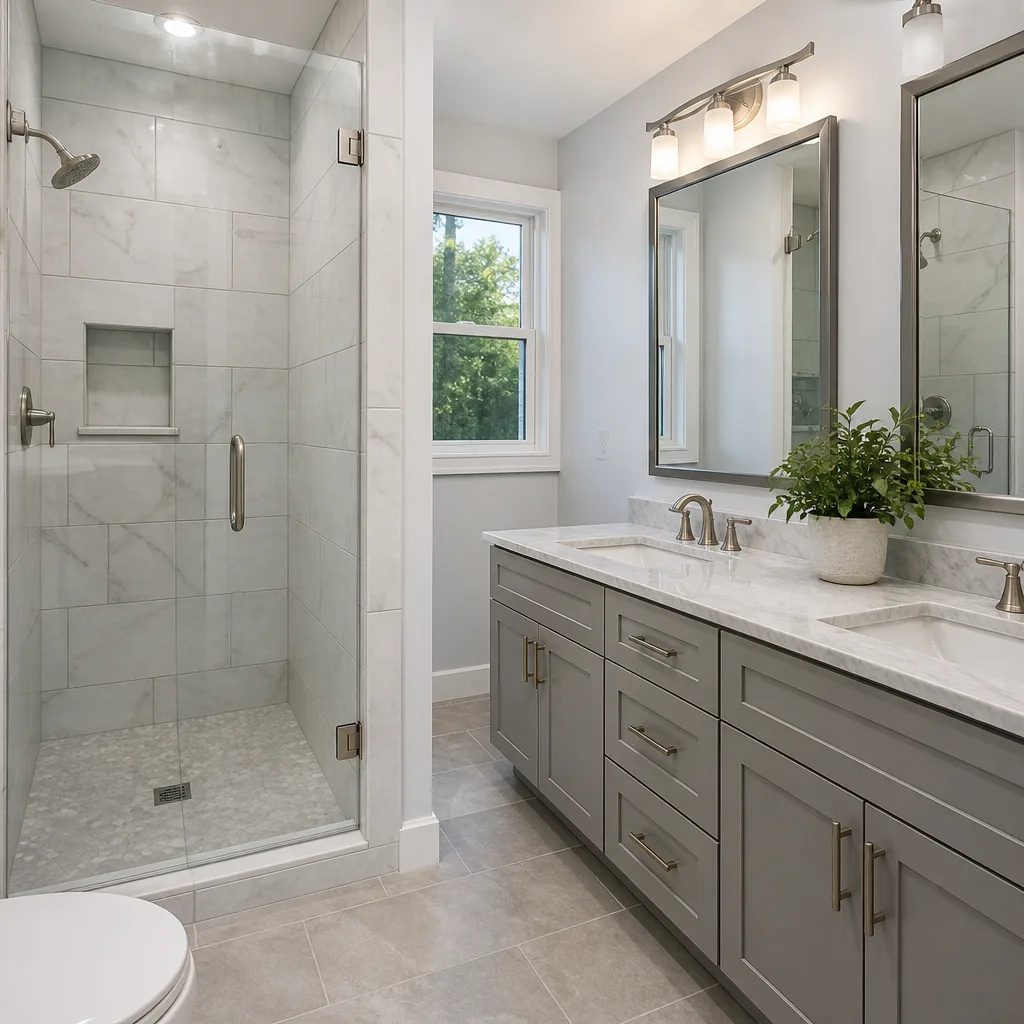


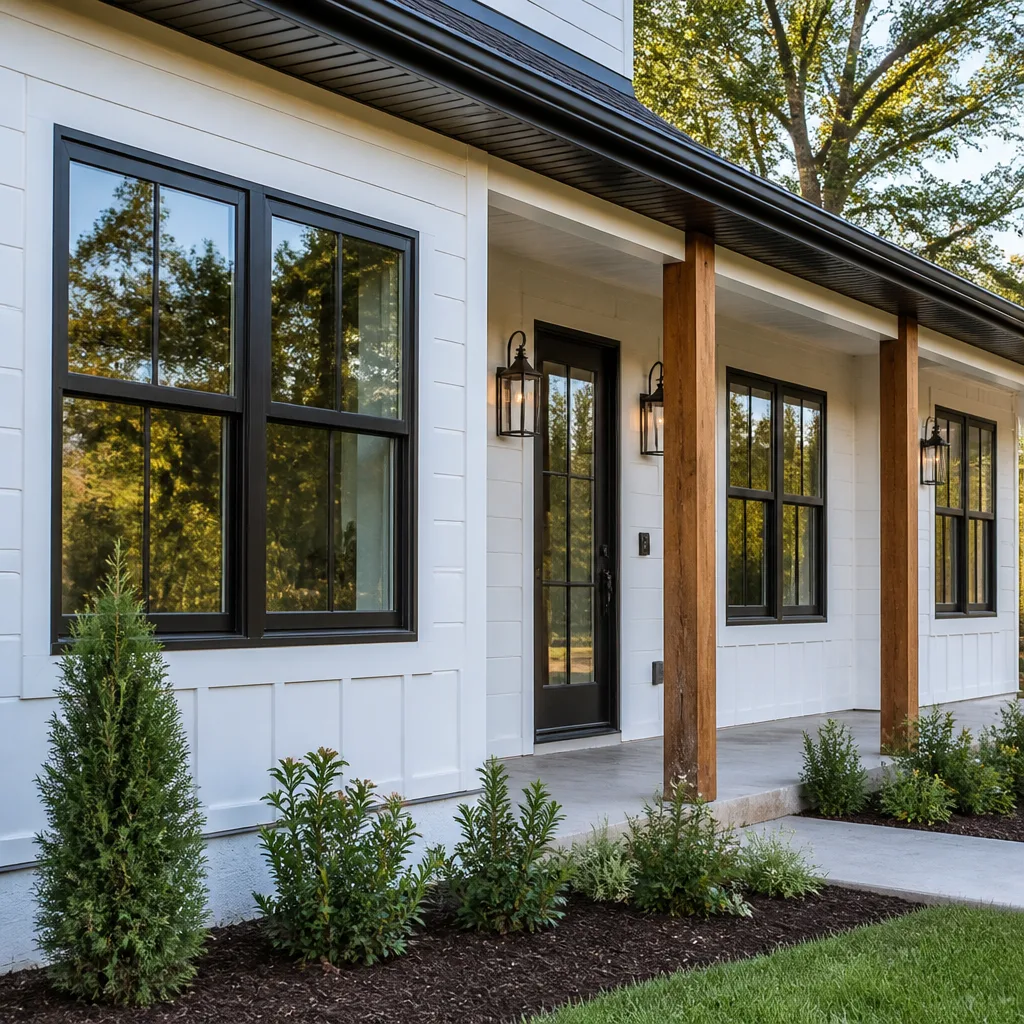


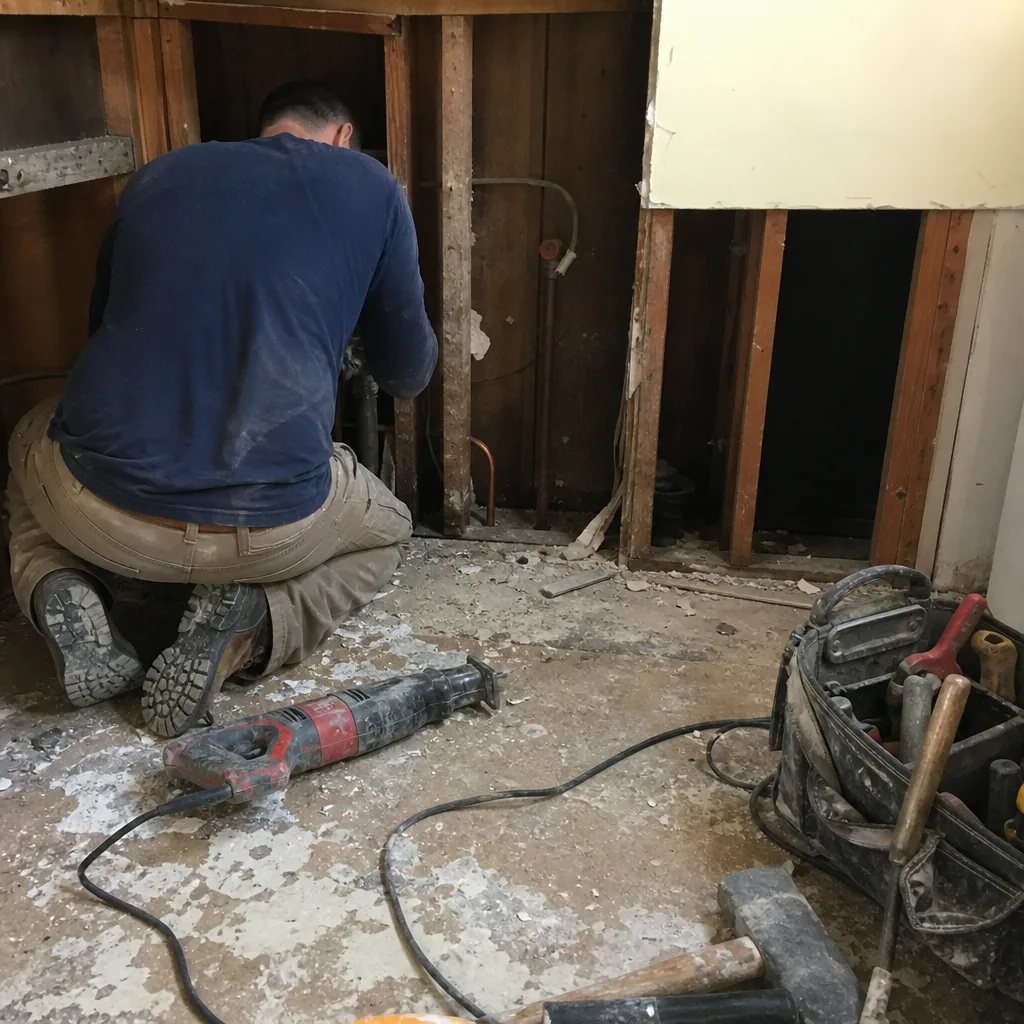 Before
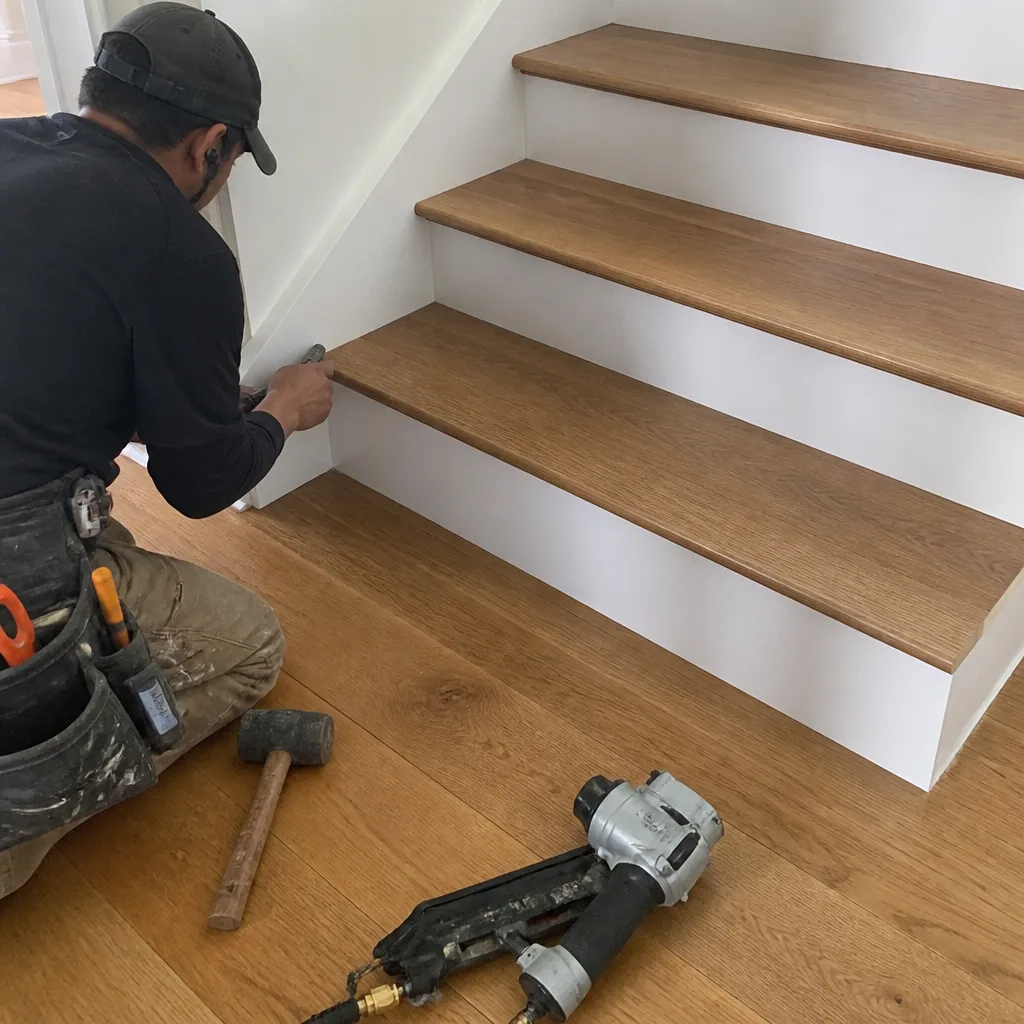 After
After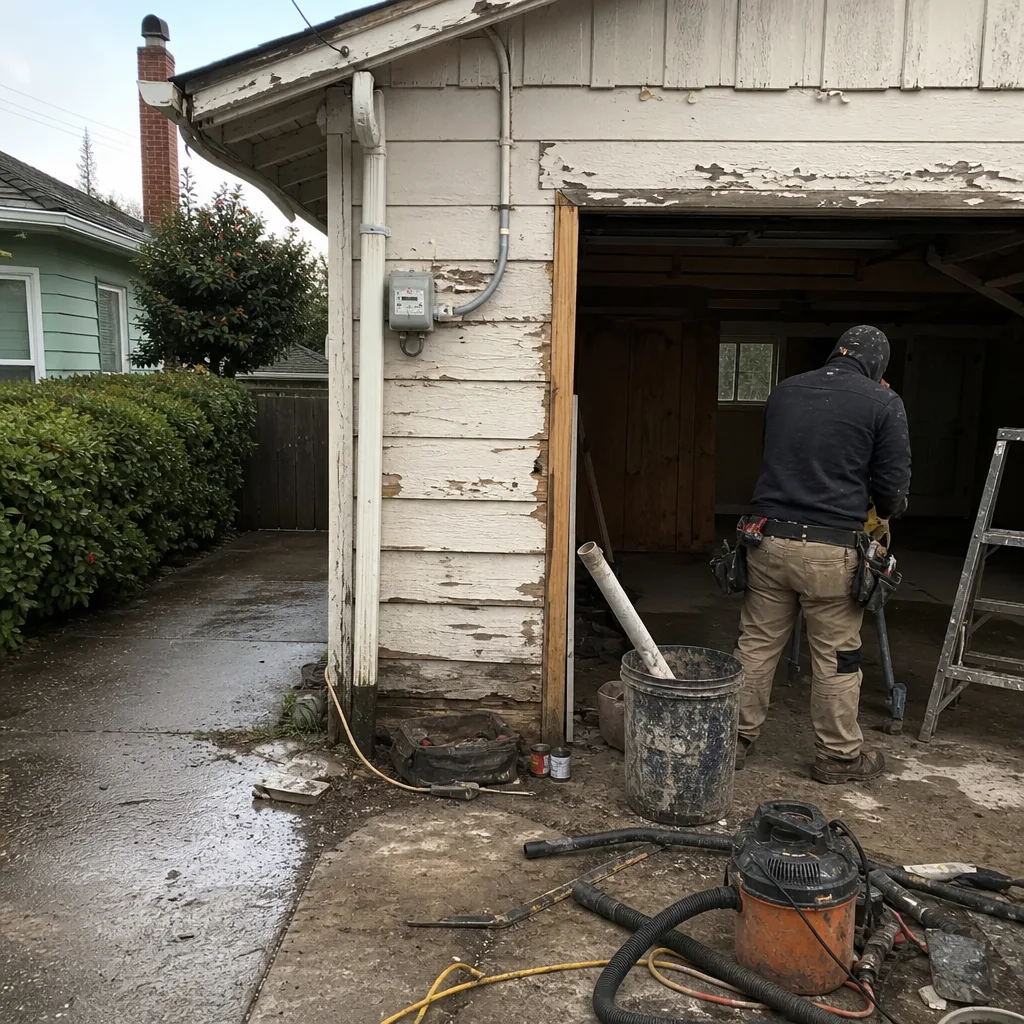 Before
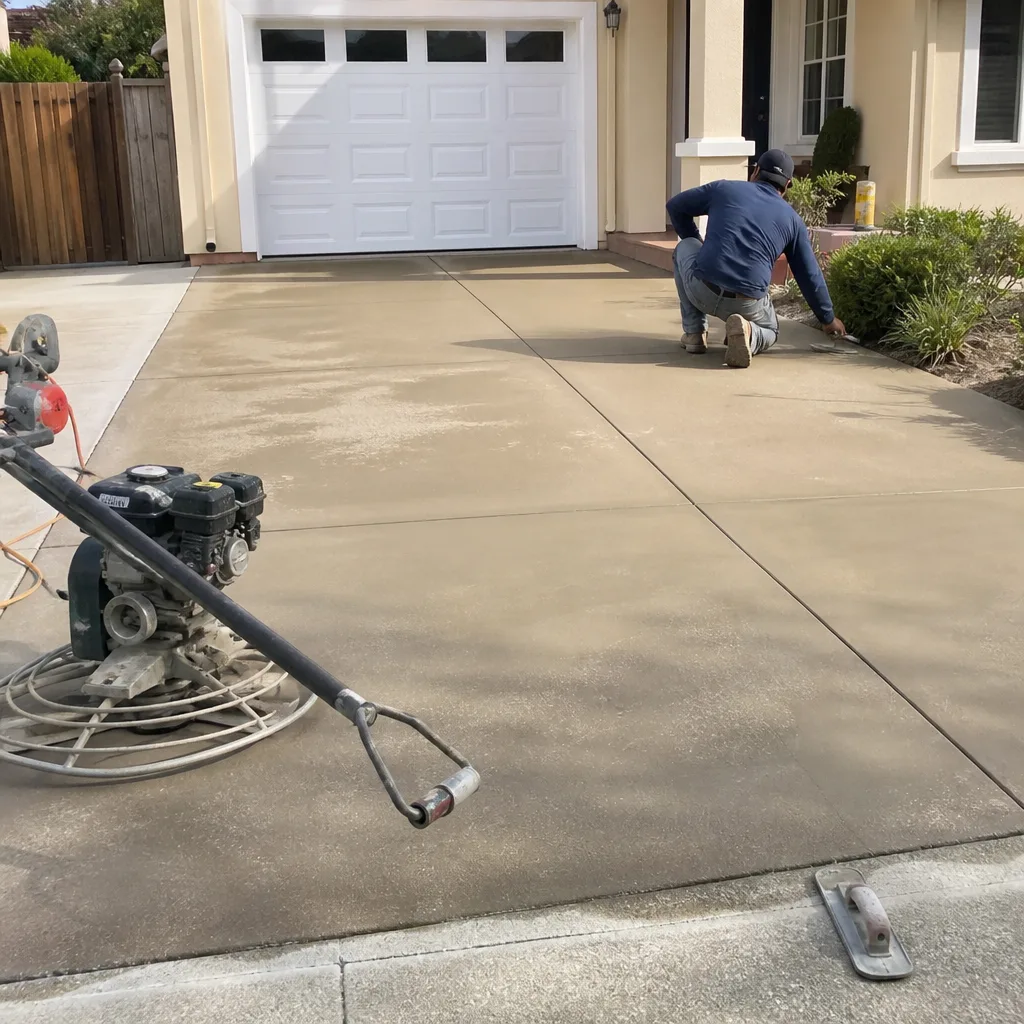 After
AfterHow to Hire a Construction Contractor in Oakland: A Step-by-Step Guide
California’s Contractors State License Board received over 18,000 complaints in a recent year. The single most common trigger wasn’t shoddy workmanship or missed deadlines. It was a verbal scope agreement that two parties remembered differently when the final bill arrived. In Oakland, where construction costs run 15-25% above the national average and permit timelines can stretch across multiple inspection cycles, a disputed $5,000 change order can derail a kitchen remodel or ADU project for months. This guide and our Complete Guide to Construction in Oakland show you how to verify, document, and contract with a construction contractor so that what gets built matches what gets billed. You’ll learn the exact license checks, insurance documents, and contract clauses that eliminate the disputes that land in the CSLB database. No enthusiasm required - just a checklist that works in Oakland’s market.
Quick Answer
Hiring a construction contractor in Oakland requires verifying active CSLB licensure with the correct classification, requesting three insurance certificates before any site visit, and insisting on a written scope with signed change orders under California Business and Professions Code §7159. The homeowners who complete this document collection before work begins avoid roughly 80% of the disputes that reach the CSLB.
Table of Contents

- How to Verify a Contractor’s License in Under Four Minutes
- What CSLB Classification Codes Mean for Your Project
- The Three Insurance Documents to Request Before Any Meeting
- How to Read a Bid for What’s Missing
- California’s Signed Change-Order Requirement
- Reference Check Questions That Produce Useful Answers
- Oakland-Specific Considerations: Permits, Climate, and Neighborhoods
- Common Mistakes to Avoid
- When to Call a Professional
- Frequently Asked Questions
BeforeAfterHow to Verify a Contractor’s License in Under Four Minutes
The CSLB maintains a free, public license check at cslb.ca.gov. Here’s the exact sequence:
- Navigate to “Instant License Check” on the homepage.
- Enter the seven-digit license number or the business name. If you search by name, verify the entity matches exactly - many contractors operate under DBA names that differ from their licensed entity.
- Confirm the status reads “Active.” Suspended or expired licenses cannot legally perform work over $500 in California.
- Check the expiration date. Licenses renew every two years; a contractor with expiration within 90 days may have compliance issues pending.
- Verify the “Workers’ Compensation Insurance” field shows “Certificate on file” if the contractor has employees. Sole proprietors without employees may legally file an exemption, but any crew of two or more requires active coverage.
- Review the “Legal Actions” section for pending citations, arbitration awards, or disciplinary actions.
Print or screenshot the results. A contractor who hesitates to provide a license number, or provides one that doesn’t match their business card, is a contractor to eliminate from consideration. In our experience across 4,000-plus projects, the homeowners who perform this check before the first phone call rarely encounter the payment disputes that consume CSLB complaint hours.
Oakland’s building boom has attracted unlicensed operators who advertise on neighborhood forums and social media. These operators often underbid licensed contractors by 30-40% by skipping workers’ comp, bond requirements, and permit pulls. The savings evaporate when a worker is injured on your property or the city halts work for unpermitted construction. The four-minute check is the cheapest insurance you’ll buy.
What CSLB Classification Codes Mean for Your Project
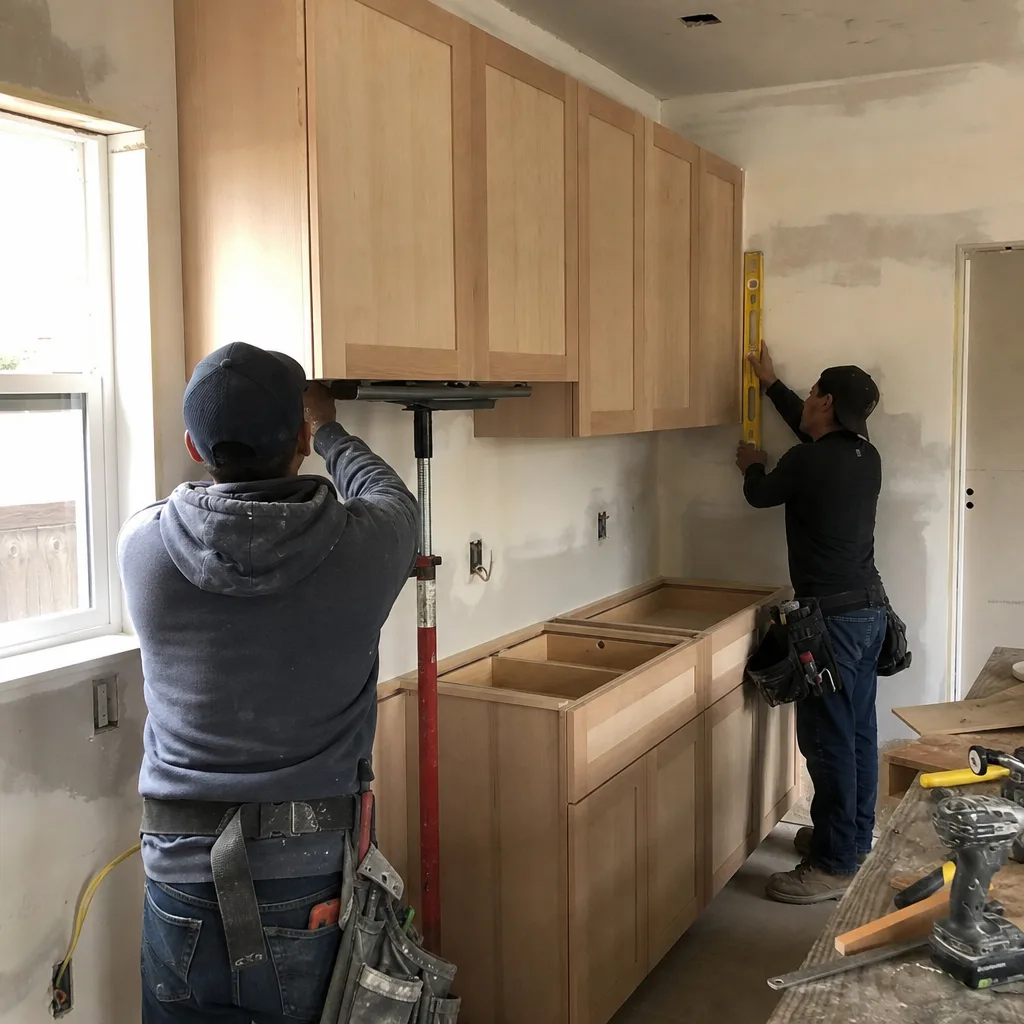
CSLB classifications limit what work a contractor may legally perform. Hiring a contractor outside their classification voids your legal protections and can invalidate your permit. Here’s what Oakland homeowners need to know:
- B - General Building Contractor: The broadest residential classification. A B contractor may oversee projects involving two or more unrelated trades (for example, a kitchen remodel with electrical, plumbing, and finish carpentry). They may not perform single-trade work unless they hold that specific classification or subcontract to a properly licensed specialist.
- C-36 - Plumbing Contractor: Required for any work on potable water lines, sewer connections, gas lines, or fixture installation beyond superficial replacement. A B contractor may hire a C-36 subcontractor, but cannot personally perform this work.
- C-10 - Electrical Contractor: Required for panel upgrades, circuit additions, rewiring, or any work beyond like-for-like fixture replacement. Oakland’s aging housing stock - particularly in neighborhoods like Rockridge and Temescal with original 1920s wiring - frequently requires C-10 involvement for kitchen and bathroom remodels.
- C-20 - Warm-Air Heating, Ventilating and Air-Conditioning: Required for ductwork modification, furnace replacement, or HVAC integration in additions and ADUs. Oakland’s mild climate means many homes lack central air; adding it triggers this classification.
- C-8 - Concrete Contractor: Required for foundation work, retaining walls over 4 feet, and structural flatwork. Relevant for ADU foundations, driveway replacement, and hardscape installations with load-bearing requirements.
- C-27 - Landscaping Contractor: Required for outdoor work exceeding $500 that modifies grading, drainage, or installs permanent irrigation. Relevant for paver patios, retaining walls, and integrated outdoor kitchen foundations.
Ask your contractor which classification they will use to pull permits for your project. If a B contractor plans to self-perform C-10 or C-36 work, that’s a red flag. At Rowan Construction Group Oakland home, we maintain B classification with vetted C-10, C-36, and C-20 subcontractors, and we name those entities in our written scope so the customer knows who will perform each trade.
The Three Insurance Documents to Request Before Any Meeting
Never invite a contractor to your property until you’ve received these three documents via email or secure portal. Phone promises and verbal assurances carry no weight when a claim arises.
| Document | What It Proves | California Minimum / What to Verify |
|---|---|---|
| Certificate of General Liability Insurance | The contractor carries coverage for property damage and bodily injury caused by their operations | California requires no statutory minimum, but reputable contractors carry $1,000,000 per occurrence / $2,000,000 aggregate. Verify your address is not excluded and the policy is active through your project timeline. |
| Certificate of Workers’ Compensation Insurance | Employees injured on your property are covered by the contractor’s policy, not your homeowner’s insurance | Required for any contractor with employees. Sole proprietors may file exemptions, but verify this on the CSLB record. Minimum coverage is statutory; verify the policy is active. |
| Contractor’s Bond | A surety backs the contractor’s performance; you have recourse if work is abandoned or payments are misapplied | $25,000 for active licenses as of 2023. Verify the bond matches the license number and is not pending cancellation. |
Request these documents before scheduling a site visit. A contractor who treats this as unusual or burdensome is revealing their documentation habits. At Rowan Construction Group, we deliver these three certificates with every written proposal, under Clause 1 of The Haven Standard: the customer sees the evidence before anyone sees the property.
One Oakland-specific note: hillside properties in neighborhoods like Montclair and Piedmont Pines may trigger additional liability considerations. If your project involves excavation, retaining walls, or work on a slope exceeding 15%, verify that your contractor’s general liability policy includes “completed operations” coverage for earth movement and that your homeowner’s policy does not exclude contractor-caused subsidence.
How to Read a Bid for What’s Missing
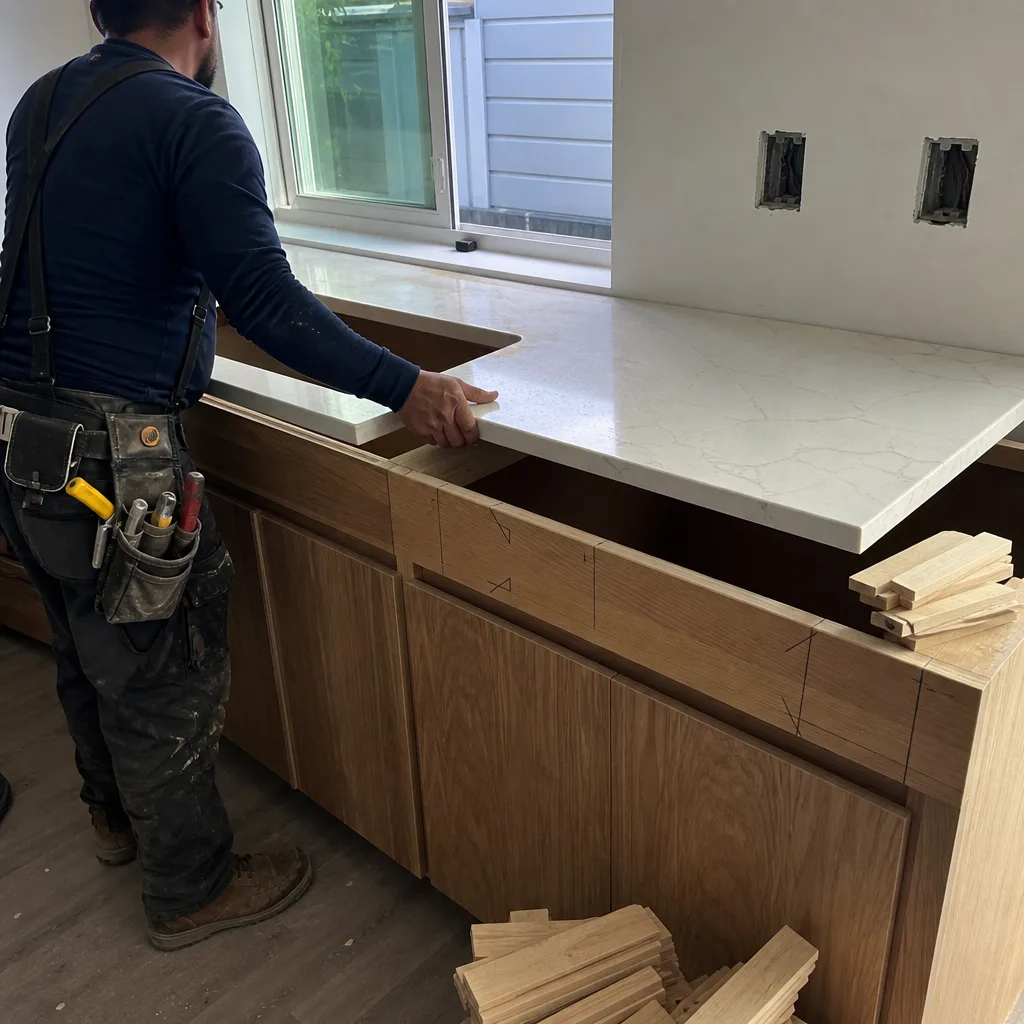
Low bids win attention. Complete bids win projects that finish on budget. Here’s a checklist of line items that separate a genuine scope from a low-ball opener designed to secure a signature and introduce costs later:
- Demolition and disposal: Oakland’s waste disposal rates run $85-$140 per ton at Davis Street Transfer Station. A bid that mentions “demo included” without specifying disposal assumes you’ll handle it, or plans to add it later.
- Permit fees: Oakland’s Planning and Building Department charges fees based on project valuation. A $75,000 kitchen addition typically incurs $2,500-$4,000 in permit and plan-check fees. Bids that omit this are either unpermitted or underbudgeted.
- Inspection scheduling and re-inspection: Oakland’s inspection backlog can stretch to 10-14 business days during peak season. A bid that assumes first-pass approval on every inspection is optimistic; one that includes re-inspection labor is honest.
- Touchup paint and finish repair: Trade work damages adjacent surfaces. The bid should specify who repairs drywall dings, repaints scuffed trim, and restores landscaping disrupted by material delivery.
- Temporary protection and dust containment: Essential for occupied renovations. Missing this line item means living in construction debris or adding it later.
- Utility connection and disconnection: Gas line capping, electrical temporary service, and water shutoff coordination. These require advance scheduling with East Bay MUD and PG&E; the bid should name who handles it.
- Final cleaning: Not a broom-sweep. Construction cleaning includes HEPA vacuuming, adhesive removal, and fixture polishing before occupancy.
When we quote Kitchen Remodeling in Oakland, our written scope includes every item above, with brand specifications for cabinets (KraftMaid, Wellborn), countertops (Cambria, Caesarstone), and fixtures (Kohler, Moen) so the customer knows what the price buys before anyone picks up a tool.
Ask for a “not included” section in every bid. This is where honest contractors disclose what they assume you’ll provide (appliances, lighting fixtures, tile you’ve already purchased) or what the estimate cannot yet cover (unknown substrate conditions, asbestos or lead discovery, soil instability). A bid without a “not included” section is a bid with hidden assumptions.
California’s Signed Change-Order Requirement
California Business and Professions Code §7159 governs home improvement contracts. It requires that any change to the agreed scope - materials, timeline, or price - be documented in a written change order signed by both parties before the changed work proceeds. This is not a best practice. It is the law, and it is the single most effective protection against the “verbal agreement” disputes that dominate CSLB complaints.
Here’s what the statute covers and what contractors sometimes omit:
- Description of changed work: Vague entries like “adjust electrical” or “modify layout” are insufficient. The change order must specify what will be done, where, and with what materials.
- Price change with itemization: The statute requires showing the difference from the original contract. A flat “additional $3,500” without breakdown violates the code and obscures whether the change is reasonable.
- Timeline impact: Changes affect scheduling. The change order must state whether the project completion date shifts, and by how much.
- Signature of both parties before work proceeds: This is the clause contractors most frequently violate. Work performed on a verbal “go ahead” and documented afterward is legally unenforceable as a change order, and the customer may dispute the charge entirely.
The working relationship concern is real. Homeowners worry that insisting on signed paperwork signals distrust. Frame it instead as mutual protection: “We both want to remember this the same way.” At Rowan Construction Group, no work proceeds on a change until the change order is signed - the administrative discipline Haven acquired Rowan for, and the reason our projects finish within a few percent of the number the customer agreed to. Our crews carry tablets with DocuSign capability; the customer signs on the spot, receives a PDF copy, and the photo record documents what was changed and when.
Oakland’s permit-amendment process adds a practical layer. Structural changes, egress modifications, or electrical service upgrades may require revised plans and re-inspection. A contractor who performs changed work without pulling an amended permit exposes the homeowner to red-tag risk and potential unpermitted-work penalties. The signed change order should note whether permit amendment is required and who will file it.
Reference Check Questions That Produce Useful Answers
“Were you happy with the work?” produces polite noise. These questions produce information you can use:
- “Did the final invoice match the signed contract, and if not, by how much and why?” - This reveals the contractor’s change-order discipline. Answers within 5% suggest strong documentation; answers exceeding 15% with explanations like “we discovered issues” or “materials cost more” suggest poor initial scoping or deliberate low-balling.
- “How many signed change orders did you execute, and how many were initiated by the contractor versus requested by you?” - A high ratio of contractor-initiated changes may indicate a pattern of “discovering” necessary work after contract signing.
- “Did the crew arrive when scheduled, and if not, how was the delay communicated?” - Reliability and communication quality often matter more than minor schedule adjustments.
- “What documentation did you receive at project completion?” - Look for: final lien release, permit sign-off, warranty documentation, and as-built drawings for electrical or plumbing modifications. Absence of these suggests informal practices.
- “Would you hire them again for a different project?” - Repeat business intent separates satisfaction with outcome from satisfaction with process. A customer who got a beautiful kitchen but endured six months of chaos may not return.
Request references from projects completed 12-24 months prior, not current or recent jobs. Completed projects have weathered a full seasonal cycle in Oakland’s climate - marine influence, occasional freeze-thaw in hillside neighborhoods, and the moisture patterns that reveal flashing or drainage deficiencies (see our Seasonal Construction Care for Oakland: Year-Round Homeowner’s Guide). Ask specifically about projects similar in scope and neighborhood to yours. A contractor’s performance in a flatland Temescal bungalow may not predict their handling of a hillside Montclair foundation challenge.
Oakland-Specific Considerations: Permits, Climate, and Neighborhoods
Oakland’s construction environment differs materially from surrounding Bay Area municipalities. These factors affect contractor selection and project planning:
Permit complexity: Oakland’s Planning and Building Department operates under the Oakland Municipal Code, with additional overlay districts in historic areas like Preservation Park and the Diamond District. Projects in these areas may require design review or historic resource clearance before building permits issue. A contractor who quotes 4-6 weeks for permit acquisition in these districts has not checked recent timelines; 10-16 weeks is more realistic. Verify that your contractor’s bid includes permit-expediting labor or that you understand the timeline risk you’re accepting.
Climate and material selection: Oakland’s marine climate - mild temperatures, moderate humidity, occasional salt air influence near the bay - is generally favorable for construction materials. However, hillside neighborhoods above 500 feet elevation experience more freeze-thaw cycling, which affects paver installation, stucco curing, and roofing underlayment selection. In our experience, Roofing in Oakland projects in the hills require ice-and-water shield in valleys and eaves, even though code minimums don’t always mandate it. A contractor who specifies GAF or Owens Corning systems with full underlayment coverage is planning for actual conditions, not code minimums.
Neighborhood logistics: Narrow streets in Rockridge, parking scarcity in downtown-adjacent neighborhoods, and steep driveways in Piedmont Pines affect material delivery, dumpster placement, and crew access. A contractor who has not visited your specific street before quoting may underestimate these constraints. Ask how they handled delivery and waste removal on their last project in your neighborhood or one with similar characteristics.
ADU-specific considerations: Oakland’s ADU ordinance aligns with California state law but includes local requirements for fire separation, utility connection, and owner-occupancy verification. A contractor quoting ADU work should reference specific Oakland Planning Department bulletins, not generic California ADU guidance. The utility connection alone - sewer lateral sizing, electrical service capacity, gas line adequacy - can add $8,000-$15,000 to project cost if unanticipated.
Seismic and structural: Oakland’s location on the Hayward Fault means seismic retrofit considerations attach to many projects, particularly in pre-1940 housing stock. A contractor who identifies soft-story conditions, unbolted sill plates, or inadequate shear walls during initial site visit is demonstrating relevant expertise. One who dismisses these concerns as “not part of your project” may be avoiding scope or exposing you to future liability.
Common Mistakes to Avoid
- Accepting a “verbal ballpark” as a basis for comparison. Three verbal estimates ranging from $40,000 to $70,000 are not comparable quotes. They are three different sets of assumptions, none documented. Insist on written scope before comparing.
- Paying more than 10% or $1,000 deposit (whichever is less) before work begins. California law limits upfront payment; contractors who request 25-50% “for materials” may have cash flow problems or intend to use your project to fund another.
- Failing to verify that permit puller matches license holder. Some contractors use another entity’s license to pull permits, a practice called “renting” a license. Verify the permit applicant matches your contracted entity on the CSLB record.
- Neglecting lien release documentation. California mechanics lien law allows subcontractors and suppliers to lien your property if the general contractor fails to pay them. Request preliminary lien notices from all subcontractors and final lien releases before final payment.
- Ignoring the “not included” section. Every bid has assumptions. The ones the contractor doesn’t disclose become your surprises. Ask explicitly: “What are you assuming I will provide, and what conditions could increase this price?”
- Selecting on price alone in Oakland’s market. The contractor who underbids by 20% often omits permit costs, underestimates Oakland’s inspection timeline, or plans to substitute specified materials. The lowest bid is frequently the most expensive project.
- Skipping the final walkthrough with documentation. The photo record, punch list, and signed acceptance should occur before final payment. A contractor who pressures for payment “to move crews to the next job” is prioritizing their cash flow over your verification.
When to Call a Professional
Certain project conditions in Oakland require immediate professional assessment rather than extended contractor shopping: active water intrusion during rainy season, structural sagging or foundation cracking visible to the eye, electrical panels that arc or emit odor, or gas line corrosion. These conditions worsen rapidly and carry safety implications that override normal selection timelines.
For planned projects - kitchen and bathroom renovations, roofing replacement, window and door upgrades, fence installation, driveway and paver work, or home additions including ADUs - the disciplined selection process in this guide protects your investment and your timeline. Bathroom Remodeling in Oakland and other major projects benefit from the documentation discipline that separates professional contractors from operators.
Rowan Construction Group Oakland offers free estimates in Oakland - call (628) 300-4376. Every estimate includes a written price, written scope, and the three insurance certificates before any work is discussed. We also offer a Free Second Opinion on any written estimate: bring a competitor’s quote and we will review it line by line at no charge.
Frequently Asked Questions
Whole-home renovations in Oakland typically range from $250-$400 per square foot, with kitchen remodels starting around $45,000 for mid-grade finishes and bathroom remodels from $25,000. For upkeep after your project, see our Kitchen Remodeling Maintenance Checklist for Oakland Homeowners. These ranges reflect Oakland’s labor rates, permit costs, and the material specifications that survive marine-climate exposure. Call (628) 300-4376 for an exact quote - estimates are free.
Visit cslb.ca.gov, select “Instant License Check,” enter the seven-digit license number, and verify Active status, correct classification, workers’ comp certificate on file, and no pending disciplinary actions. The entire process takes under four minutes and should be completed before scheduling any site visit.
A California home improvement contract must include: the contractor’s name, address, and license number; a description of work to be performed; materials to be used with brand and model where specified; total contract price and payment schedule; start and completion dates; and notice of the three-day right to cancel. Under Business and Professions Code §7159, it must also specify that change orders require written agreement signed by both parties.
California law limits upfront payment to the lesser of 10% of contract price or $1,000. Any contractor requesting more is violating statute and revealing problematic cash flow practices. Progress payments should align with completed milestones, with final payment due only after final inspection, lien releases, and your signed acceptance.
Yes, if the work involves plumbing relocation, electrical circuit modification, structural changes, or window/door alteration. Cosmetic work - cabinet replacement without plumbing movement, countertop resurfacing, painting - may proceed without permit. Oakland’s Planning and Building Department requires plan submission for permitted work, with review timelines of 4-8 weeks for straightforward projects and longer for properties in historic or design review districts.
Decline. Unpermitted work voids your homeowner’s insurance coverage for related damage, exposes you to city penalties and required demolition, and eliminates your CSLB complaint recourse. In Oakland’s active real estate market, unpermitted improvements also jeopardize sale transactions when buyer inspections reveal work without certificate of occupancy. A contractor who proposes permit skipping is proposing that you assume all legal and financial risk.
The Bottom Line
Hiring a construction contractor in Oakland is a document-collection exercise that happens before anyone picks up a tool. Verify the CSLB license and classification. Request three insurance certificates. Read every bid for what’s missing, not just what’s included. Insist on signed change orders under §7159. Ask reference questions that produce factual answers, not polite endorsements. The homeowners who complete this checklist - roughly two hours of focused work - eliminate the dispute patterns that fill CSLB complaint files. Explore more guides & resources for your next project. The construction itself is complex; the selection process doesn’t need to be.
Written by Grant Rowan, Owner at Rowan Construction Group Oakland, serving Oakland since 2007.