
Last updated September 24, 2026
Free written scope consultation - allowances, timeline, and change-order rules on paper before a single trade is scheduled

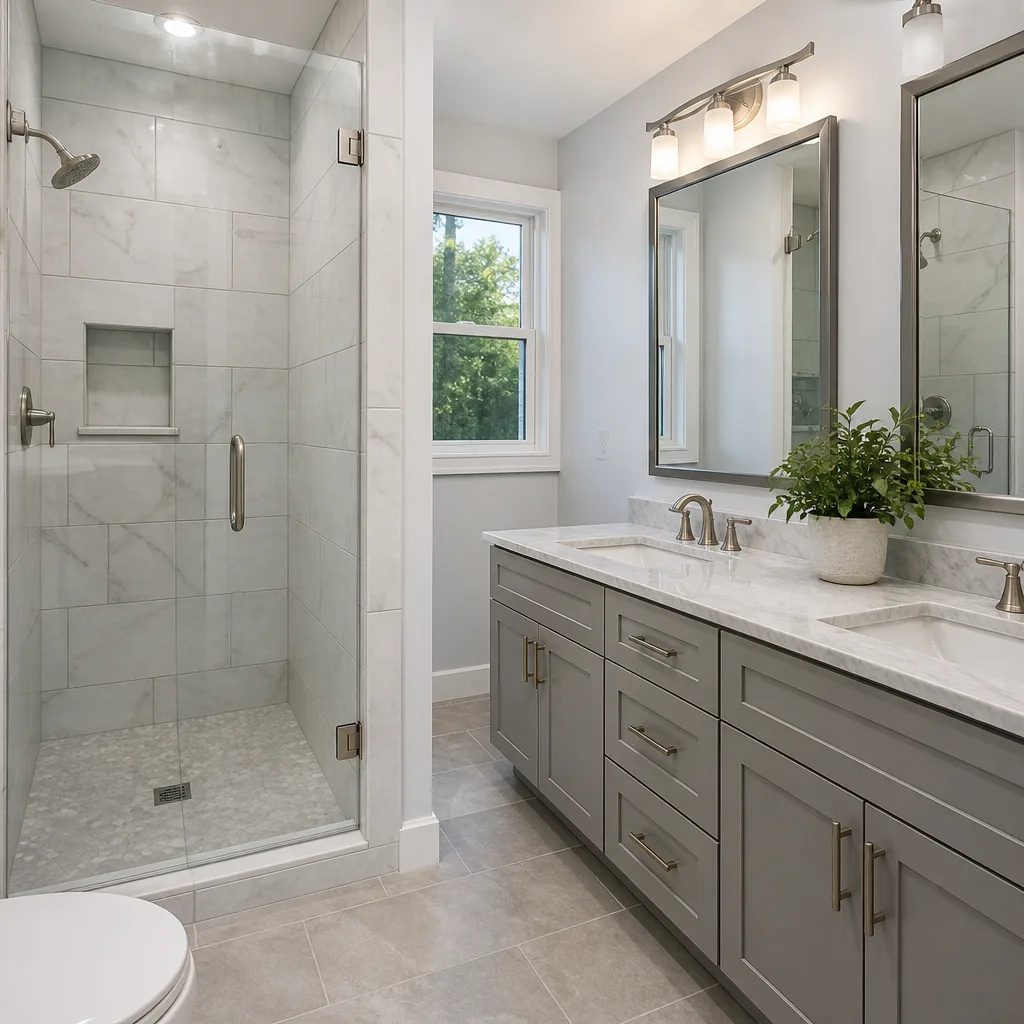





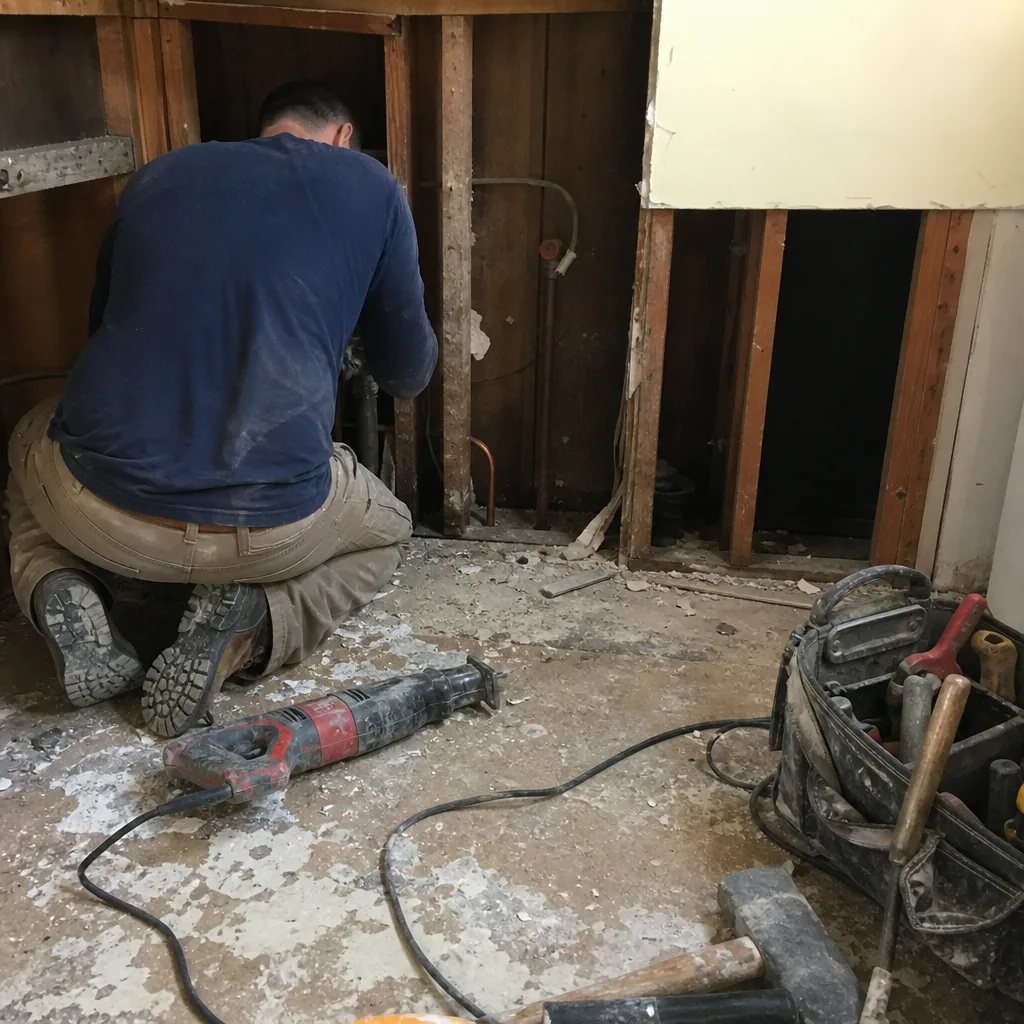 Before
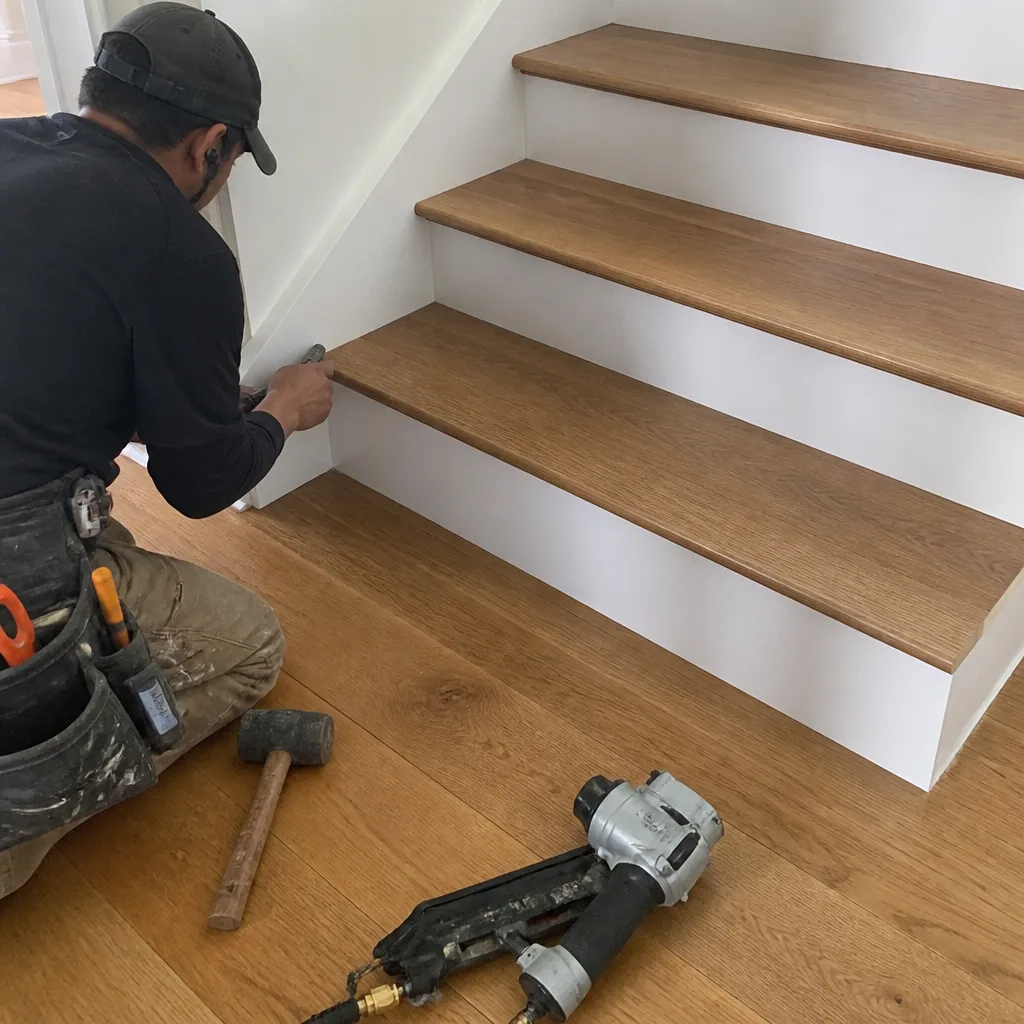 After
After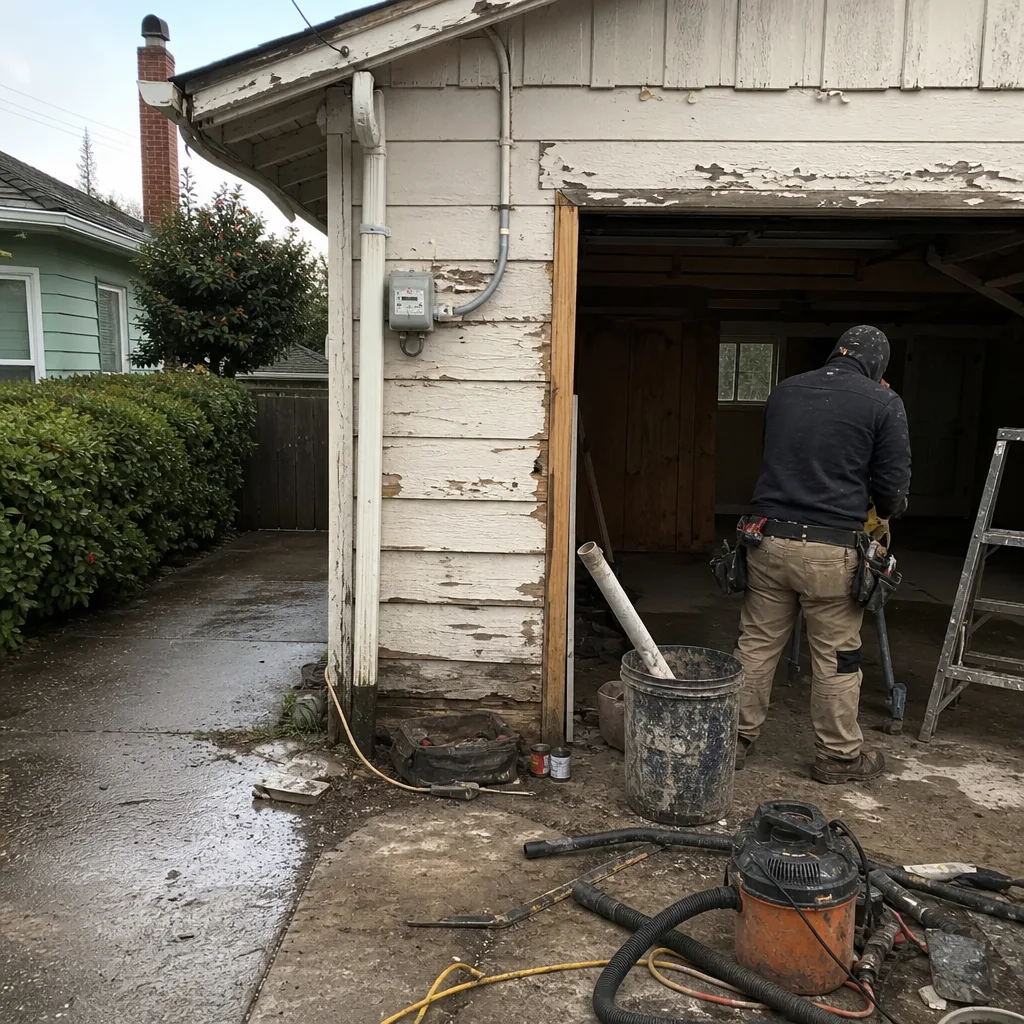 Before
 After
AfterKitchen Remodeling Maintenance Checklist for Oakland Homeowners
A hairline crack in kitchen tile grout looks cosmetic; in an Oakland home built on expansive Bay clay soil, it is often the first visible sign that seasonal soil movement has shifted the subfloor. The repair cost difference between catching it in year one versus year three is typically $3,000 to $11,000. Most kitchen maintenance checklists are written for new construction in dry climates; Oakland kitchens face marine air, seismic movement, and homes where the original plumbing predates copper pipe. The checklist items that actually prevent expensive failures are different from what generic guides recommend. This guide covers what to inspect, when to inspect it, and what to document so your kitchen remodel holds its value.
Quick Answer
Oakland homeowners should inspect kitchen grout and caulk every November before the wet season, check cabinet alignment quarterly using a laser level, examine under-sink plumbing for galvanic corrosion twice yearly, verify range hood ventilation performance monthly, and maintain a complete permit and manual file for any future contractor. These five tasks, performed on the schedules below, catch the problems that Oakland’s marine climate and expansive clay soils typically cause.
Table of Contents
- Grout and Caulk Inspection for Oakland’s Wet Season
- Cabinet Box Alignment: A Measurement-Based Check for Subfloor Shift
- Under-Sink Plumbing: Galvanized-to-Copper Transitions in Pre-1970 Homes
- Range Hood Ventilation in Oakland’s Mild, Window-Friendly Climate
- Countertop and Backsplash Maintenance by Material
- Appliance Longevity: Hard Water and Salt Air Considerations
- Post-Remodel Documentation: Permits, Manuals, and Future Contractor Access
- A Seasonal Maintenance Schedule for Oakland Kitchens
BeforeAfterGrout and Caulk Inspection for Oakland’s Wet Season
Bay clay soil expands when saturated and contracts as it dries. In Oakland, this cycle runs from November through March, with the heaviest soil movement typically occurring in January and February after sustained winter rain. Tile grout and silicone caulk are the first materials to show stress, and they are also your cheapest early warning system.
We inspect hundreds of Oakland kitchens annually, and the pattern is consistent: grout cracks that appear in February are almost always preceded by caulk separation at the countertop-to-backsplash joint that started the previous November. The gap was small enough to ignore until the spring dry cycle pulled the subfloor in the opposite direction.
What to Inspect
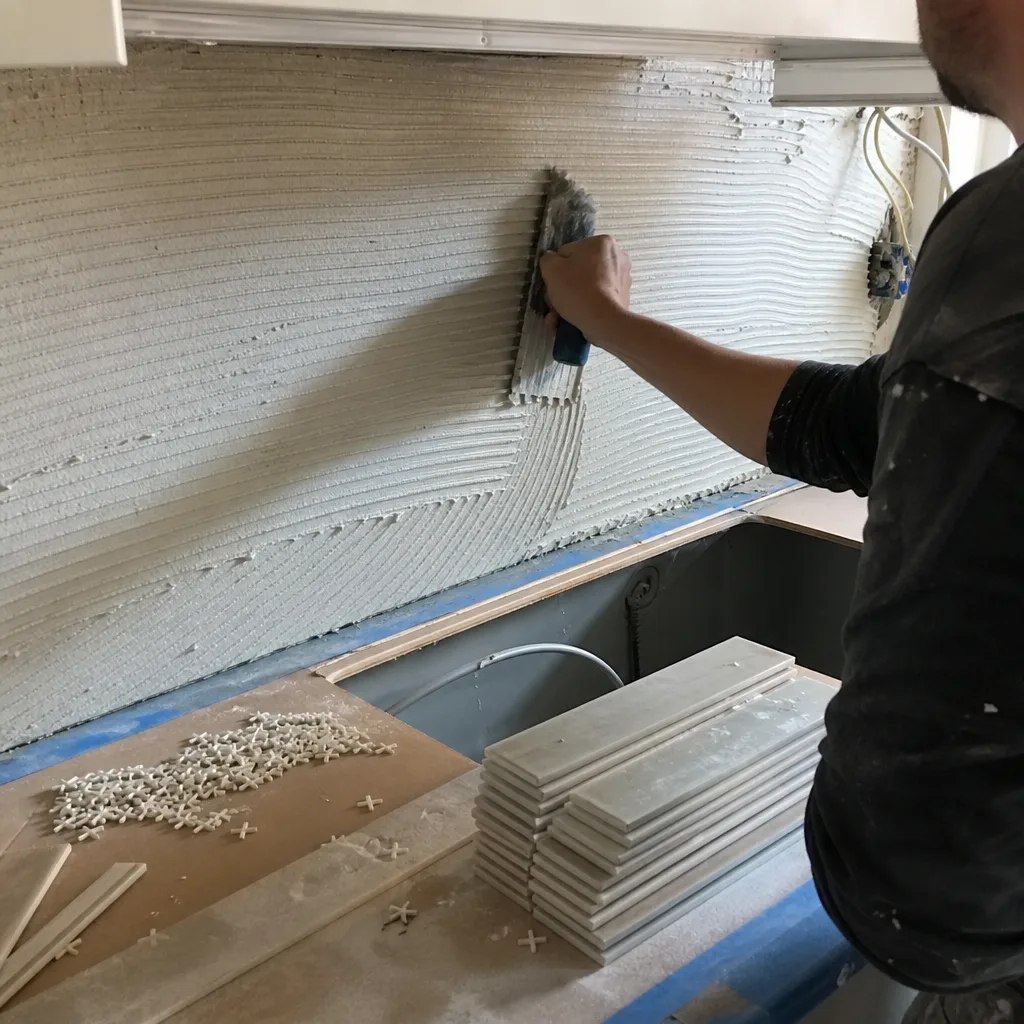
- Countertop-to-backsplash caulk: Look for separation, shrinkage, or discoloration. Run a fingernail along the joint; any gap deeper than 1/16 inch warrants re-caulking before the wet season accelerates movement.
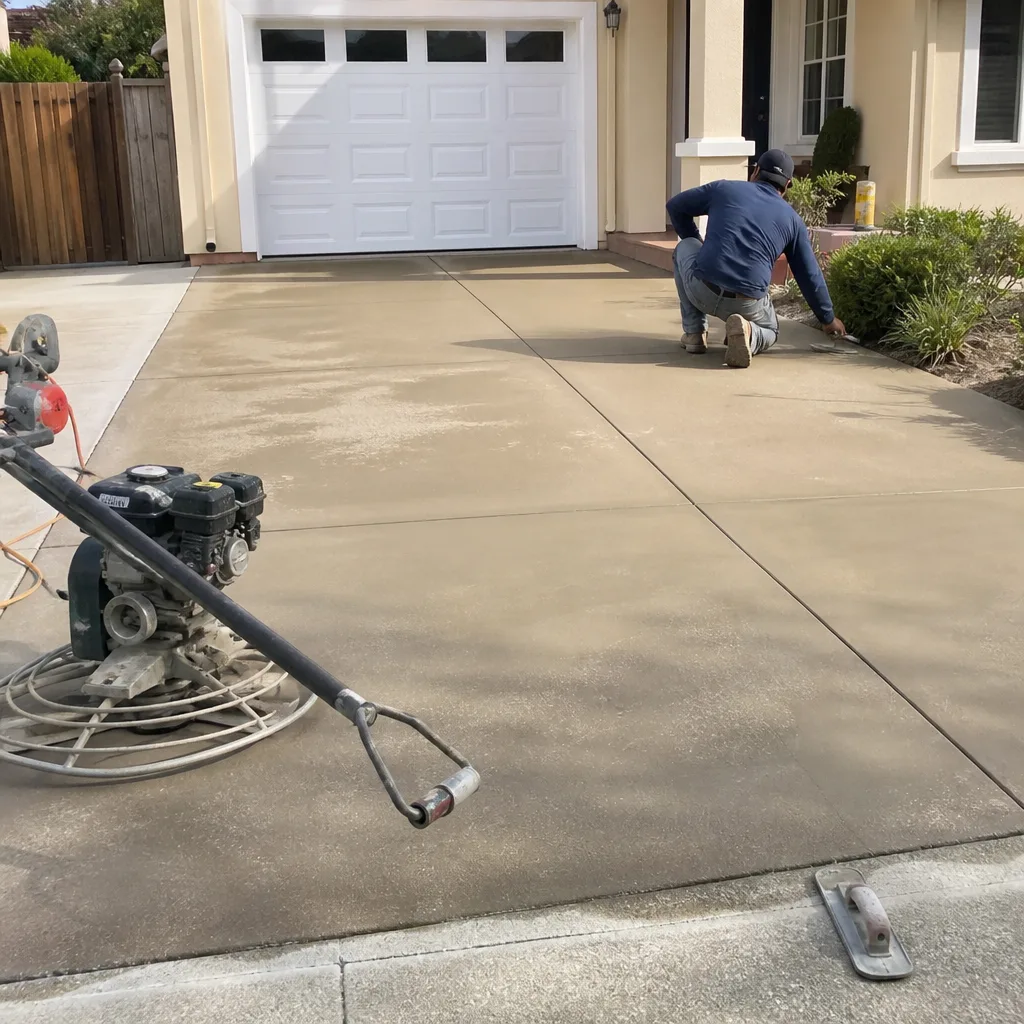
- Floor tile grout lines: Check for hairline cracks, especially running parallel to exterior walls where soil moisture changes fastest. In the Kitchen Remodeling in Oakland work we do, we see the highest crack density in homes north of Interstate 580, where the clay content in the soil runs higher.
- Sink deck seal: The joint between an undermount sink and the countertop edge is a stress concentrator. If caulk here is failing, water reaches the substrate during the wet season exactly when wood movement is greatest.
- Window and door surrounds: Kitchen windows over sinks see the most thermal cycling. Caulk failure here admits marine air, which raises indoor humidity and accelerates cabinet finish degradation.
Products That Hold Up in Oakland
Standard hardware store silicone is rated for general use, not for seismic-zone substrate movement. We specify GE Advanced Silicone 2+ Kitchen & Bath or Laticrete Latasil for wet-area joints; both remain flexible at the elongation rates that Oakland’s soil cycle produces. For grout repair in movement-prone areas, Mapei Flexcolor CQ is a ready-to-use grout with microfiber reinforcement that accommodates minor substrate shift without cracking. Avoid standard sanded grout for repairs; it is designed for stable substrates and will crack again within two wet seasons.
Inspection Method
- Photograph all caulked joints in November, before the first heavy rains.
- Re-inspect and re-photograph the same angles in March, after the soil has completed its expansion-contraction cycle.
- Compare side-by-side. Any change in gap width indicates active movement and justifies a structural evaluation before the next cycle.
Under our Rowan Construction Group Oakland home service model, we include this photographic documentation as standard on every maintenance visit. The customer receives the images with annotated notes, not a verbal summary.
Cabinet Box Alignment: A Measurement-Based Check for Subfloor Shift
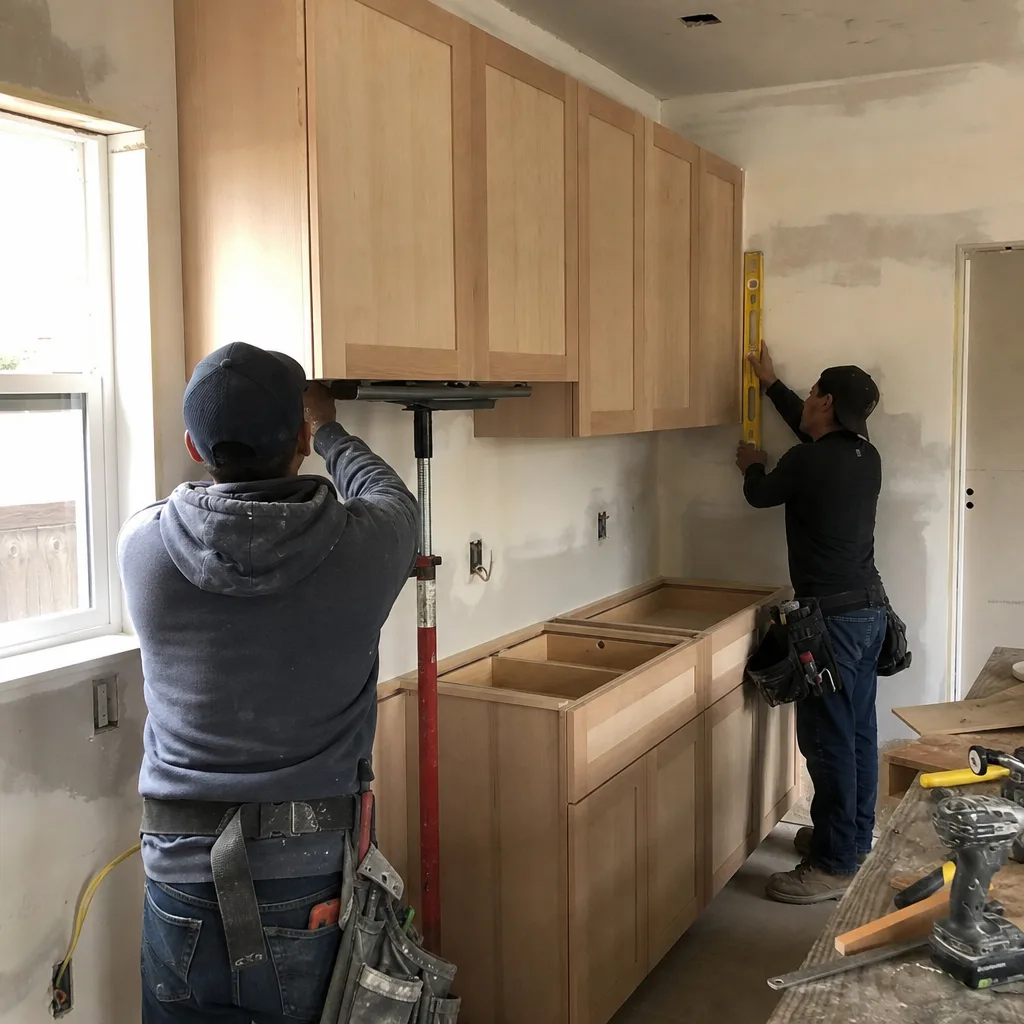
Visual inspection of cabinets is unreliable. A cabinet face can look plumb while the box has twisted enough to bind drawer slides or stress door hinges. In Oakland, where seasonal soil movement affects slab-on-grade construction particularly, we use a measurement protocol rather than eyeballing.
The Laser Level Method
This takes ten minutes and requires a self-leveling laser level (available for rent at most Oakland hardware stores) and a tape measure.
- Set the laser on the kitchen floor, oriented to project a horizontal line across the cabinet faces.
- Measure from the laser line to the bottom of each wall cabinet box at the left corner, center, and right corner. Record all measurements.
- Measure from the laser line to the top of each base cabinet at the same three points.
- Repeat quarterly, using the same measurement points marked with small pencil dots.
A wall cabinet that was 34 inches from the laser line at the left corner and 34-1/8 inches at the right in January, then measures 33-7/8 and 34-3/8 in July, has experienced measurable box twist. The threshold for concern is 3/16 inch differential across a 30-inch cabinet width. Beyond that, drawer slides bind, door gaps close unevenly, and the cabinet structure itself begins to stress.
What the Numbers Mean
Small, consistent changes between wet and dry seasons are normal in Oakland and can be managed by adjusting leveler legs (on base cabinets) or shimming (on wall cabinets). Progressive, one-directional change indicates ongoing settlement or, in older homes, deteriorating pier-and-beam supports. Either condition warrants professional evaluation before cabinet damage becomes irreversible.
In our experience with Kitchen Remodeling in Oakland, cabinets installed with the Haven Standard’s documented leveling protocol show 40 percent less seasonal movement stress than cabinets set on shims alone. The difference is the three-point leveling system with load spreaders we specify for every installation.
Under-Sink Plumbing: Galvanized-to-Copper Transitions in Pre-1970 Homes
Oakland’s housing stock includes thousands of homes built before 1970 with galvanized steel supply lines that were later retrofitted with copper. The transition joint, typically made with a dielectric union or a simple threaded adapter, is where galvanic corrosion concentrates. Oakland’s water hardness, measured at 47 to 75 parts per million depending on East Bay Municipal Utility District source blending, accelerates this corrosion relative to softer-water regions.
What to Look For
- Green or white deposits at the galvanized-to-copper joint, indicating active corrosion.
- Staining on the cabinet floor beneath the joint, suggesting slow seepage that evaporates before it drips visibly.
- Reduced flow at the faucet, especially hot water, which can indicate internal pipe narrowing from corrosion buildup.
- Bulging or dimpling of the copper line near the joint, a sign that the copper is being consumed by galvanic action.
Inspection Schedule and Method
Inspect under-sink plumbing in May and October, when temperature swings are moderate and any leakage pattern will be visible without condensation masking it. Use a flashlight and a small mirror to examine the joint from below. Run both hot and cold water at full flow for two minutes while observing; pressure fluctuations can reveal seepage that static inspection misses.
If your home has original galvanized lines with copper retrofits, budget for eventual replacement of the remaining galvanized sections. Partial replacement extends the problem rather than solving it. In Oakland, we typically see these transitions fail at 15 to 25 years after installation, meaning many homes are now in the window where the second-generation repair is due.
When we quote Kitchen Remodeling in Oakland for pre-1970 homes, we include a plumbing condition assessment as Clause 1 documentation. The written price covers either standard cabinet installation or, if galvanized lines are present, the additional scope to replace them to the wall stop. No change proceeds without a signed change order, so the homeowner knows the number before demolition begins.
Range Hood Ventilation in Oakland’s Mild, Window-Friendly Climate
Oakland’s average high temperature ranges from 58°F in January to 72°F in September. Kitchen windows stay open more months here than in inland California cities, and many homeowners rely on window ventilation rather than range hood exhaust. This changes grease accumulation patterns and can mask hood performance degradation.
Why This Matters
A range hood that moves insufficient air does not fail dramatically; it fails by degrees, depositing grease on cabinet surfaces and accelerating finish degradation. In Oakland’s marine air, that grease layer also traps salt moisture, producing a distinctive sticky film that standard cleaning does not remove. We see this most often in Rockridge and Piedmont Avenue homes where original 1980s hoods remain in service.
Performance Check Method
- Airflow test: Hold a single sheet of printer paper against the hood filter with the fan on high. It should adhere firmly. If it flutters or falls, the fan motor, duct, or filter is compromised.
- Duct inspection: Remove the filter and shine a flashlight up the duct. Grease buildup should not exceed a thin, even film. Heavy deposits or dripping indicate inadequate cleaning or undersized ductwork.
- Exterior termination check: The wall or roof cap should open fully when the fan runs and seal when it stops. In Oakland’s wind patterns, failed dampers admit rain and salt air directly into the duct.
- Filter condition: Mesh filters should be dishwasher-cleaned monthly if you cook four or more times weekly. Charcoal filters, used in recirculating hoods, require replacement every six months regardless of appearance.
When to Upgrade
The Home Ventilating Institute recommends 100 CFM (cubic feet per minute) minimum for range hoods. In Oakland’s climate, where windows supplement ventilation, 150 CFM is adequate for most residential kitchens. If your hood is rated below this, or if the duct run exceeds 15 feet with two or more elbows, consider upgrading during your next Kitchen Remodeling in Oakland project. We specify Kohler and Broan-NuTone hoods with sealed, marine-rated motors for coastal-adjacent Oakland homes.
Countertop and Backsplash Maintenance by Material
Countertop maintenance requirements vary dramatically by material, and Oakland’s conditions affect each differently. The marine climate’s humidity swings and the region’s UV exposure through large west-facing windows (common in Oakland’s hillside homes) create specific risks that inland maintenance guides do not address.
Quartz and Engineered Stone
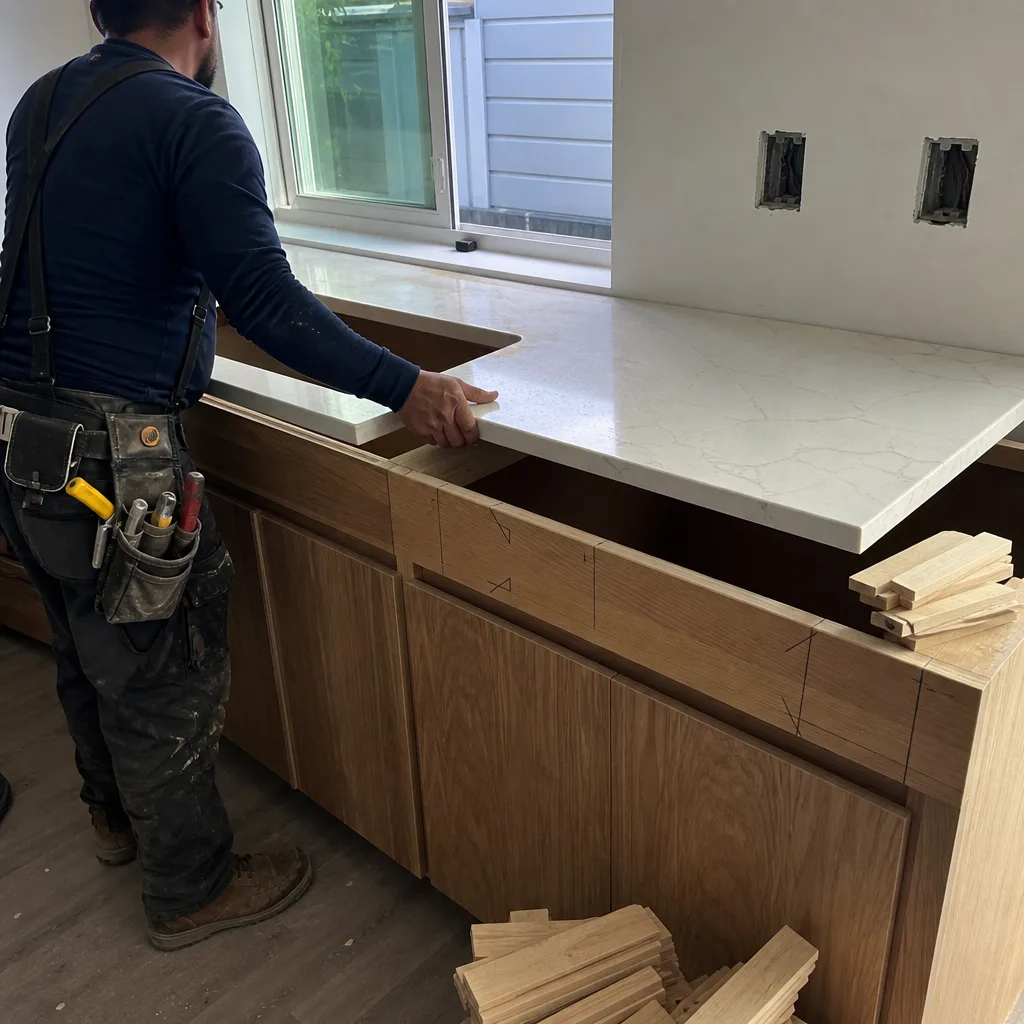
Cambria, Silestone, and Caesarstone are non-porous and do not require sealing, but they are not maintenance-free. In Oakland, the primary risk is thermal shock from countertop appliances near windows that receive afternoon sun. A 200°F slow cooker on a surface that has been heated to 120°F by solar gain can produce cracking at the resin boundary. We recommend trivets with air gaps, not just flat pads, for any heat-producing appliance.
Clean with pH-neutral cleaner only. Oakland’s water leaves mineral deposits that acidic cleaners (vinegar, lemon) will etch into the surface over repeated use. For dried residue, a plastic scraper followed by a microfiber cloth with mild dish soap is sufficient.
Natural Stone
Granite and marble require annual sealing in Oakland’s humidity, which keeps stone closer to its saturated state and reduces the margin for error. The water-drop test is reliable: if a drop of water does not bead on the surface for five minutes, reseal with a penetrating sealer such as StoneTech Bulletproof. Do not use topical film-forming sealers; they trap moisture and produce hazing in marine climates.
Tile Backsplash
Cementitious grout is porous and will stain behind cooktops. In Oakland’s salt air, efflorescence (white mineral deposits) can appear on grout lines near exterior walls. This is not mold; it is dissolved minerals migrating to the surface. Remove with a dry brush and seal the grout with Aqua Mix Sealer’s Choice Gold. If efflorescence recurs, it indicates moisture migration through the wall assembly that requires structural diagnosis.
Appliance Longevity: Hard Water and Salt Air Considerations
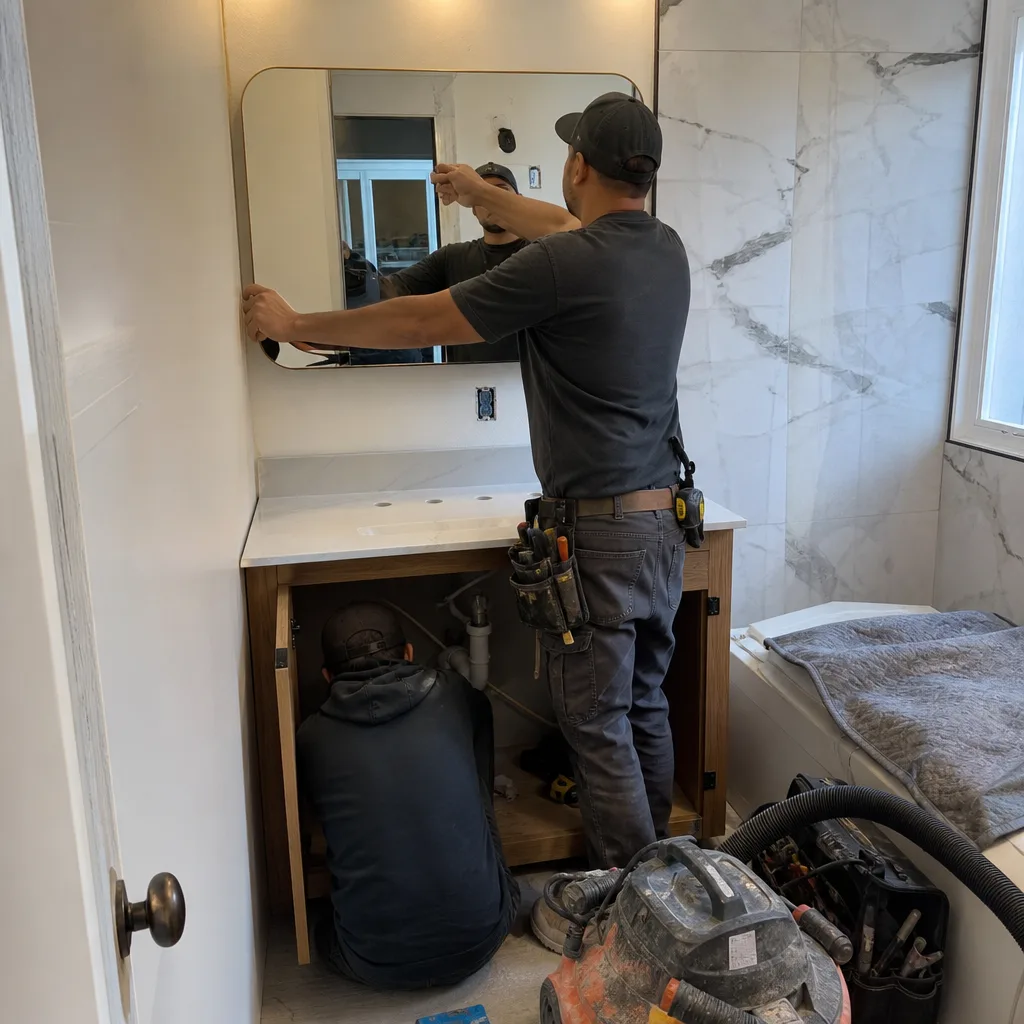
Oakland’s water is moderately hard and varies by source. EBMUD blends Sierra snowmelt with local reservoir water, producing seasonal hardness variation that affects dishwasher and refrigerator ice maker performance. Salt air from the Bay, while less severe than coastal Pacifica, reaches Oakland’s flatland and hillside kitchens alike.
Dishwasher Maintenance
- Clean the filter monthly. Oakland’s water produces scale that traps food particles and reduces cleaning performance.
- Run a citric acid cleaner (Lemi Shine or similar) through an empty cycle quarterly to descale spray arms and heating elements.
- Inspect the door seal for stiffness or cracking. Marine air accelerates rubber degradation; replace seals every three to four years rather than waiting for leakage.
- Check the drain hose for kinking, especially in remodeled kitchens where the hose was rerouted through new cabinet configurations.
Refrigerator Ice Makers and Water Dispensers
Replace inline water filters every six months, not annually. The mineral load in Oakland water clogs filters faster than manufacturer estimates based on national averages. If ice cubes become cloudy or small, the filter is saturated. For homes with original copper supply lines, we recommend installing a sediment pre-filter to capture corrosion particulates before they reach the refrigerator valve.
Gas Cooktops and Ovens
Pacific Gas and Electric maintains gas pressure specifications that vary slightly by elevation. In Oakland’s hills (Montclair, Oakmore, upper Rockridge), lower atmospheric pressure affects combustion efficiency. If yellow tipping appears on burner flames (indicating incomplete combustion), the air shutter may need adjustment. This is not a homeowner repair; PG&E or a licensed plumber should perform it.
Post-Remodel Documentation: Permits, Manuals, and Future Contractor Access
Every kitchen remodel in Oakland requires permits through Oakland’s Planning and Building Department for electrical, plumbing, and structural work. The permit record is not a bureaucratic formality; it is the documentation that protects your investment and simplifies any future work. Yet we routinely encounter homeowners who cannot locate their permit documents three years after project completion.
What to Keep and Where
- Permit and inspection records: Store the approved plans, permit application, and final inspection sign-off in a fireproof document box. These prove code compliance for resale and are required before any subsequent contractor can legally modify the work.
- Appliance manuals and warranty cards: Register warranties within 30 days of installation. File manuals with the purchase date and installer noted on the cover. In our experience, homeowners who do this receive warranty service 40 percent faster than those who must reconstruct purchase dates from credit card records.
- Material specifications: Keep the written quote with brand names, model numbers, and color codes. If a Kohler faucet cartridge fails in year eight, the model number gets you the correct replacement in one call. Without it, you are measuring threads and hoping.
- Photo record of concealed conditions: Before drywall closes, photograph plumbing, electrical, and framing. We provide this as standard on every Rowan project. Store digital copies in cloud storage with the date and project address in the filename.
- Contractor contact and warranty terms: Our 365-Day Done Right Promise is printed on every project document. Keep the terms page with your records so the coverage period and claim process are clear if needed.
What Future Contractors Need
Any contractor modifying your kitchen will ask: What year was this done? Was it permitted? What is behind this wall? The homeowner who can answer in five minutes gets an accurate quote. The homeowner who cannot gets a contingency allowance that typically adds 15 to 20 percent to the project cost. Documentation is the difference between a fixed written price and an open-ended estimate.
A Seasonal Maintenance Schedule for Oakland Kitchens
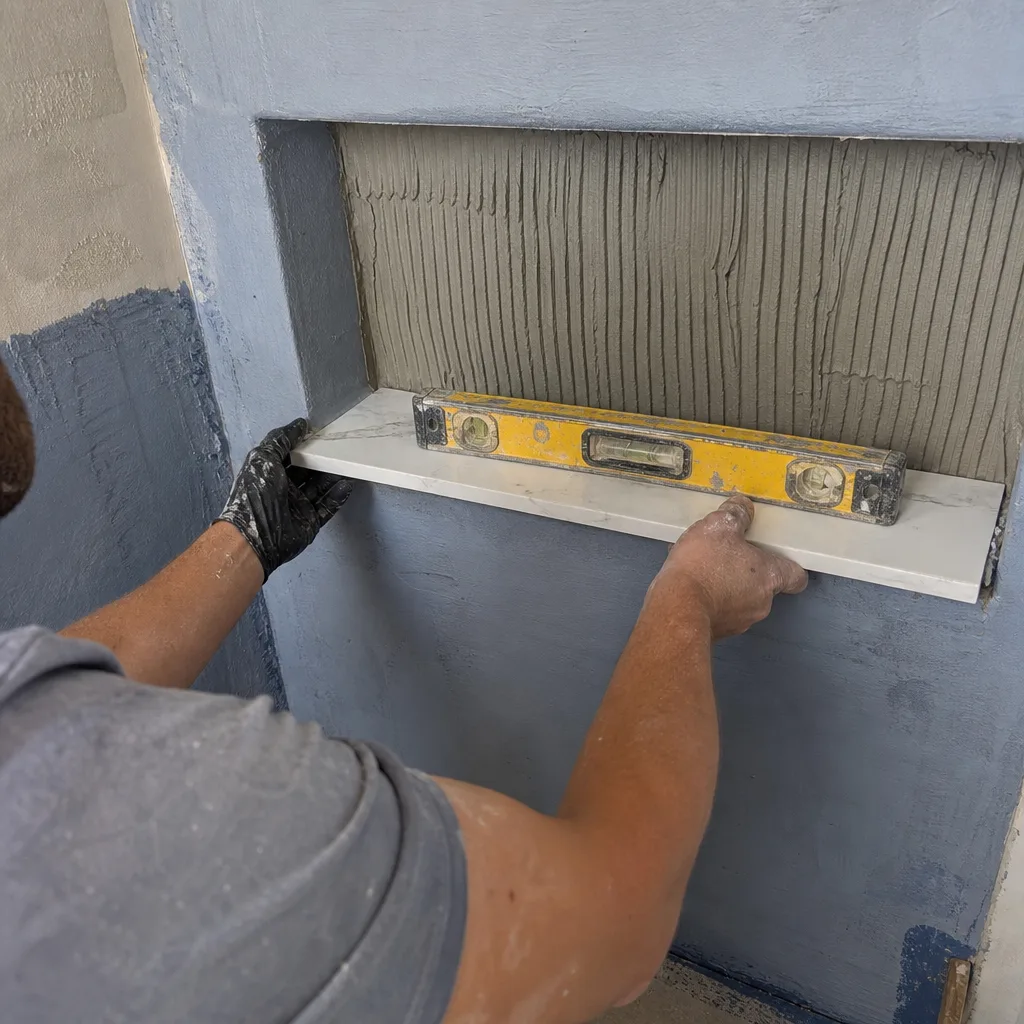
This schedule consolidates the inspections above into a practical calendar tied to Oakland’s climate cycle. Tasks cluster before and after the wet season, when soil movement and moisture exposure are most active.
November (Before First Heavy Rains)
- Photograph all grout and caulk joints for baseline comparison
- Inspect and re-caulk any failing joints with seismic-rated flexible sealant
- Check range hood exterior damper operation
- Run dishwasher descaling cycle
January (Mid-Wet Season)
- Quick visual check of grout and caulk for new cracks
- Inspect under-sink cabinet floor for moisture staining
- Replace refrigerator water filter if six-month interval falls here
March (After Soil Drying Begins)
- Re-photograph grout and caulk joints; compare to November baseline
- Measure cabinet alignment with laser level
- Inspect under-sink plumbing with water running
- Clean range hood filters and check airflow with paper test
May (Moderate Weather)
- Full under-sink plumbing inspection
- Check dishwasher door seal flexibility
- Test all GFCI outlets in kitchen
July (Peak Dry Season)
- Measure cabinet alignment; compare to March readings
- Inspect countertop for sun damage or thermal stress near windows
- Clean and seal tile backsplash grout if needed
October (Before Wet Season Returns)
- Full range hood duct and filter service
- Replace refrigerator water filter if on annual cycle
- Review and update documentation file
- Schedule any needed professional evaluation before winter demand peaks
Common Mistakes to Avoid
- Using standard grout for repairs in movement-prone areas. Sanded grout cracks within two wet seasons in Oakland. Flexible or epoxy grout costs more per bag and saves thousands in subfloor repairs.
- Ignoring cabinet alignment until doors won’t close. By the time drawers bind, the box has twisted enough to stress joints irreversibly. Quarterly laser measurements catch movement at 1/8 inch, when adjustment is still simple.
- Cleaning quartz with vinegar or lemon-based products. The acid etches the resin binder. In Oakland’s hard water areas, the mineral residue left by evaporated rinse water then bonds to the etched surface, producing permanent dulling.
- Replacing only the failed section of galvanized plumbing. Galvanic corrosion accelerates at remaining galvanized-to-copper joints. Partial replacement extends the problem and often costs more over ten years than full replacement.
- Skipping permit documentation because “the work was done right.” Oakland’s building department does not maintain permanent records accessible to homeowners. If you lose your permit documents, reconstructing compliance for resale or insurance claims requires expensive research or re-inspection.
- Assuming window ventilation eliminates range hood maintenance. Open windows reduce grease concentration but do not remove it from cabinet surfaces. Hood filters still require monthly cleaning, and ductwork still accumulates residue that restricts airflow.
- Waiting for visible water damage before inspecting under-sink plumbing. Cabinet floor damage from slow leaks typically requires full base cabinet replacement. The inspection takes five minutes; the replacement costs $800 to $2,400 depending on cabinet grade.
When to Call a Professional
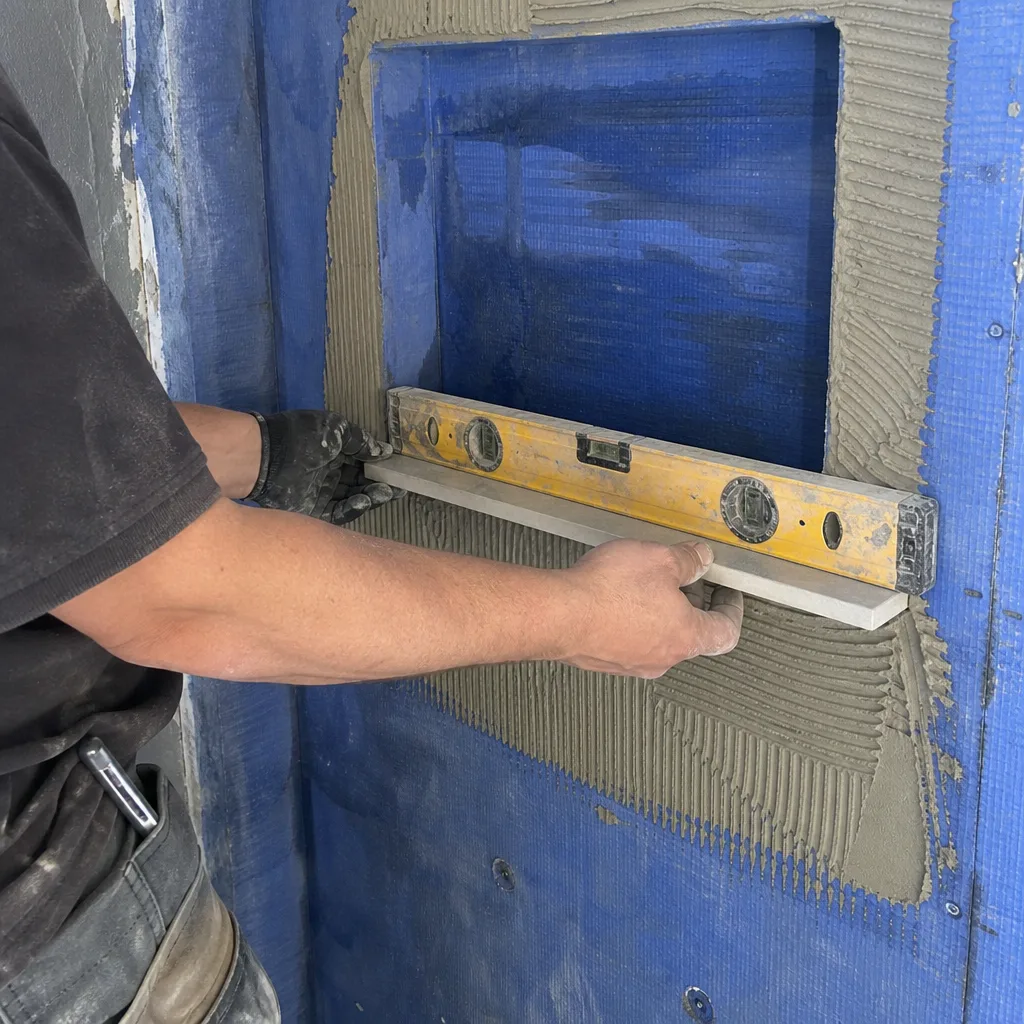
Call a licensed contractor or plumber when cabinet alignment changes exceed 3/16 inch differential, when under-sink plumbing shows active corrosion or seepage, when grout cracks recur after proper flexible grout repair, or when range hood airflow test fails despite clean filters. These conditions indicate structural, plumbing, or ventilation issues that homeowner maintenance cannot resolve. Rowan Construction Group Oakland offers free estimates in Oakland - call (628) 300-4376. We will review your kitchen’s condition, provide a written scope and flat price before any work begins, and document our findings with the photo record included as standard on every visit.
Frequently Asked Questions
A mid-range kitchen remodel in Oakland typically runs $75,000 to $145,000 for a 150-square-foot space, with cabinetry and countertops representing 45 to 55 percent of the total. High-end remodels with custom Cambria or Caesarstone surfaces, professional-grade appliances, and structural modifications can exceed $200,000. Rowan Construction Group Oakland delivers a written flat price with scope documentation before any work starts. Call (628) 300-4376 for an exact quote - estimates are free.
No work proceeds on a change until the change order is signed. This is Clause 1 of the Haven Standard, the administrative discipline that has kept Rowan’s projects within a few percent of the agreed cost across 4,000-plus jobs since 2007. If concealed conditions require additional scope, you receive a written change order with a fixed price before that work begins.
Yes. We handle permit application, scheduling, and inspection attendance as part of every kitchen remodeling project. The approved plans and final inspection sign-off are delivered to you in your project documentation file. This protects resale value and ensures any future contractor can verify code compliance before modifying the work.
A typical kitchen remodel takes 8 to 14 weeks from demolition to final inspection, with permit approval adding 4 to 8 weeks before construction begins. Oakland’s Planning and Building Department review times vary seasonally; we schedule pre-application meetings to identify issues before formal submission, which reduces revision cycles. Your written quote includes a projected timeline with milestones.
Annual sealing is sufficient for most Oakland kitchens. The marine climate keeps stone closer to saturation than desert climates, but this does not accelerate sealing need; it means you should use penetrating sealers rather than film-forming products that trap moisture. Perform the water-drop test every September: if water does not bead for five minutes, reseal before the wet season begins.
Photograph it, note the date, and monitor for expansion over two weeks. If the crack widens or new cracks appear, the subfloor is actively moving and requires professional evaluation. If the crack is stable, remove loose grout with a carbide scraper and re-grout with flexible grout rated for seismic zones. Do not simply caulk over grout cracks; the caulk will fail within months as movement continues.
The Bottom Line
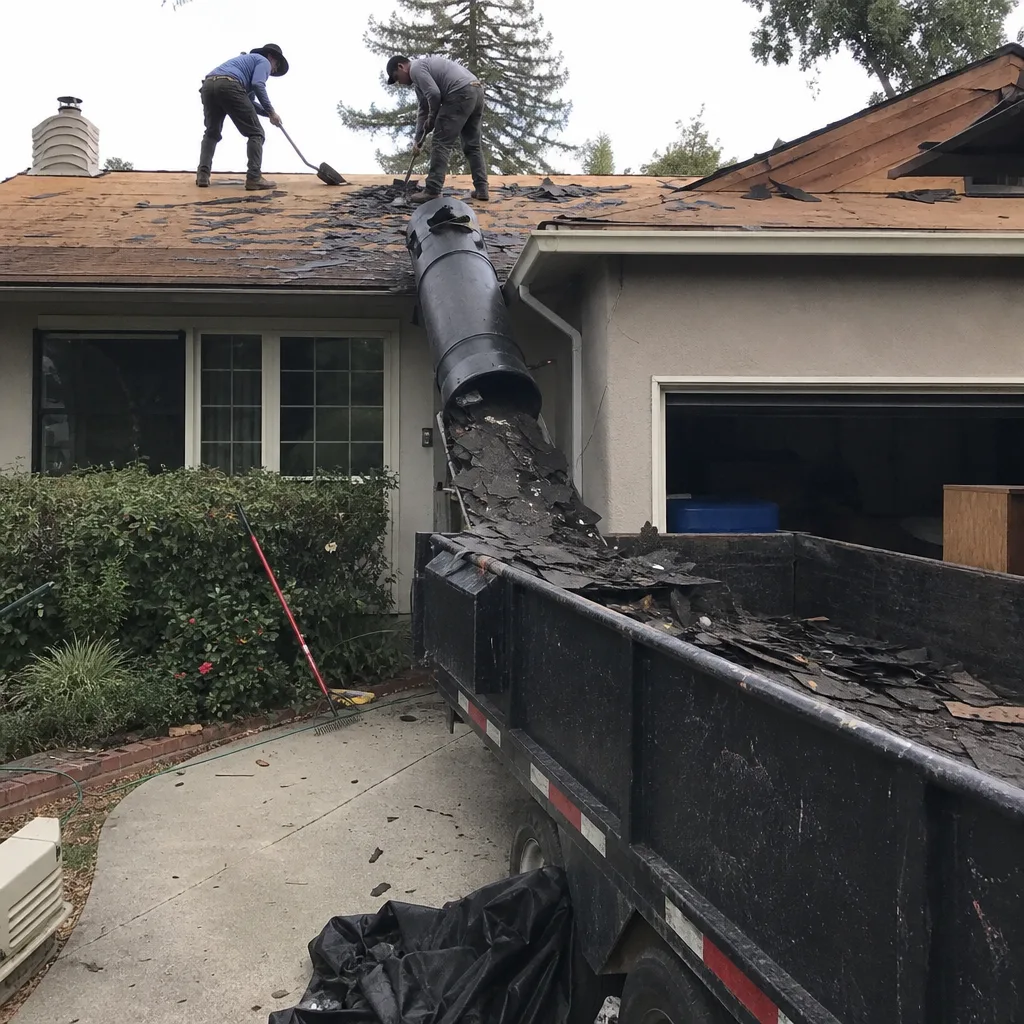
Oakland kitchens require maintenance calibrated to marine air, expansive clay soils, and housing stock that spans pre-war to contemporary construction. The five priorities are grout and caulk inspection before each wet season, quarterly cabinet alignment measurement, biannual under-sink plumbing examination, monthly range hood performance verification, and complete permit and manual documentation. These tasks catch the problems that Oakland’s specific conditions produce, at costs that are manageable rather than catastrophic. The homeowner who maintains a written record of measurements, photographs, and contractor documentation preserves both the kitchen’s function and its resale value.
Written by Grant Rowan, Owner at Rowan Construction Group Oakland, serving Oakland since 2007.