
Last updated September 25, 2026
Free written scope consultation - allowances, timeline, and change-order rules on paper before a single trade is scheduled

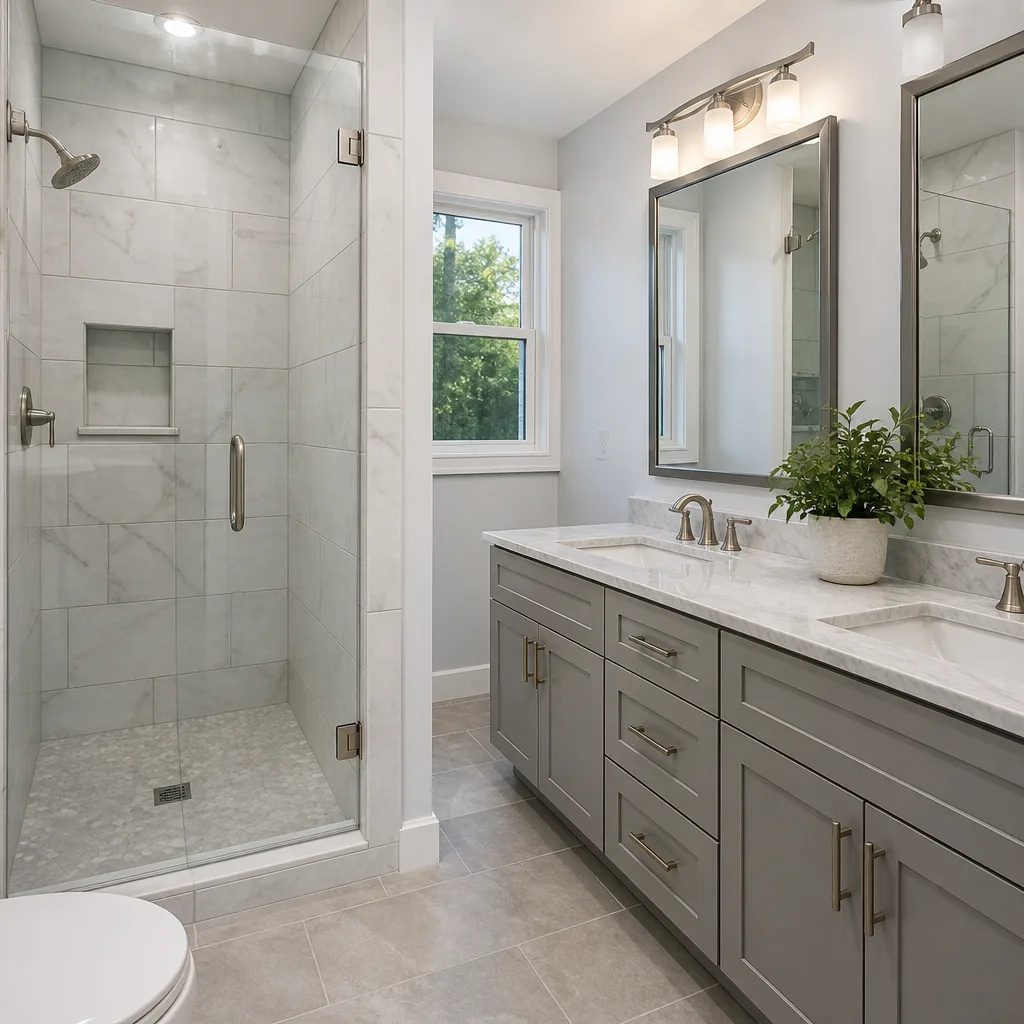
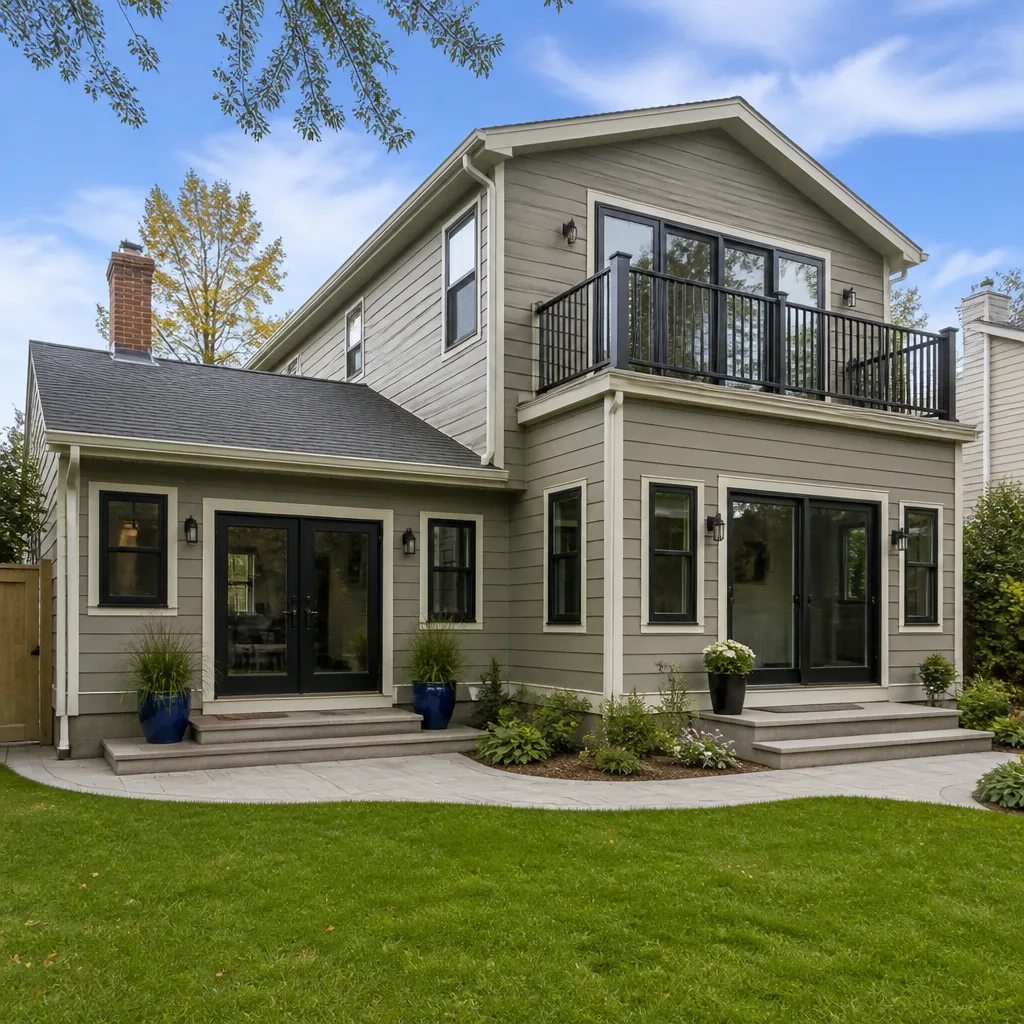

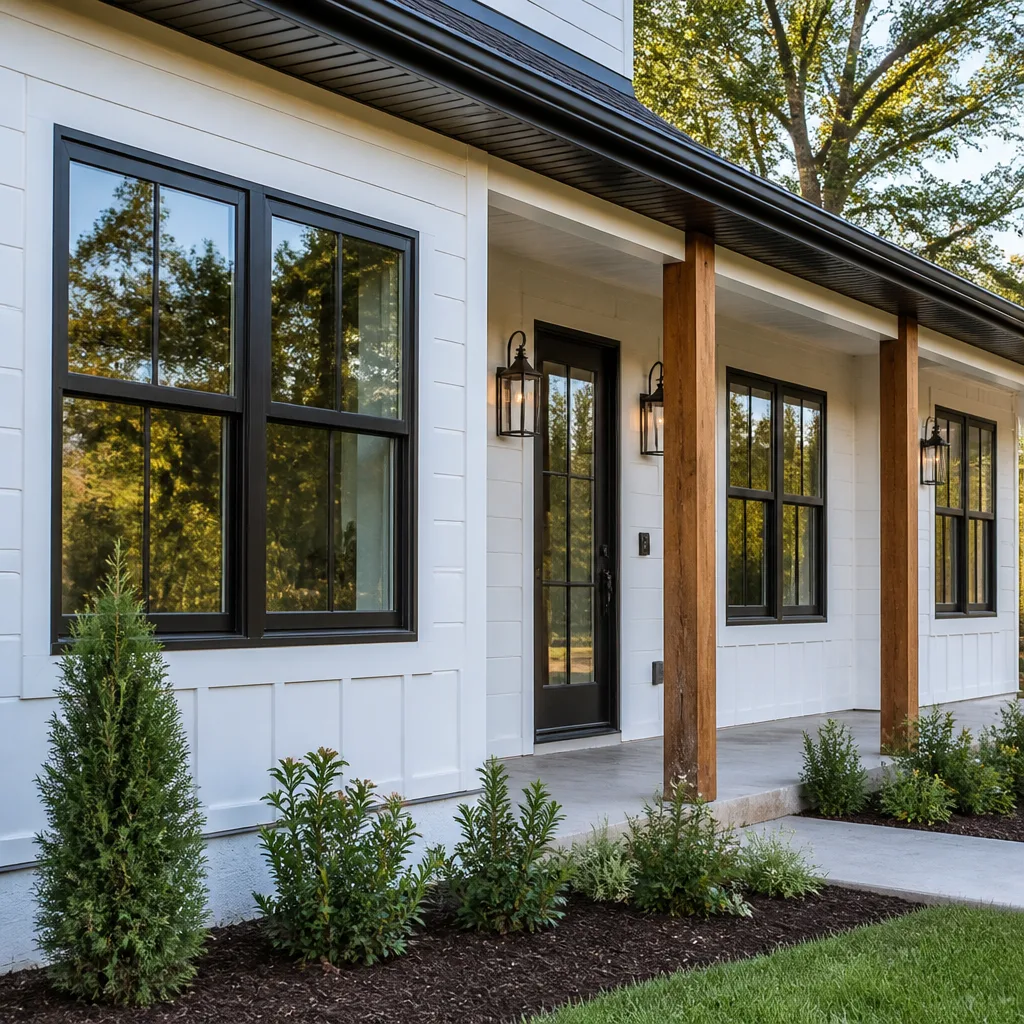


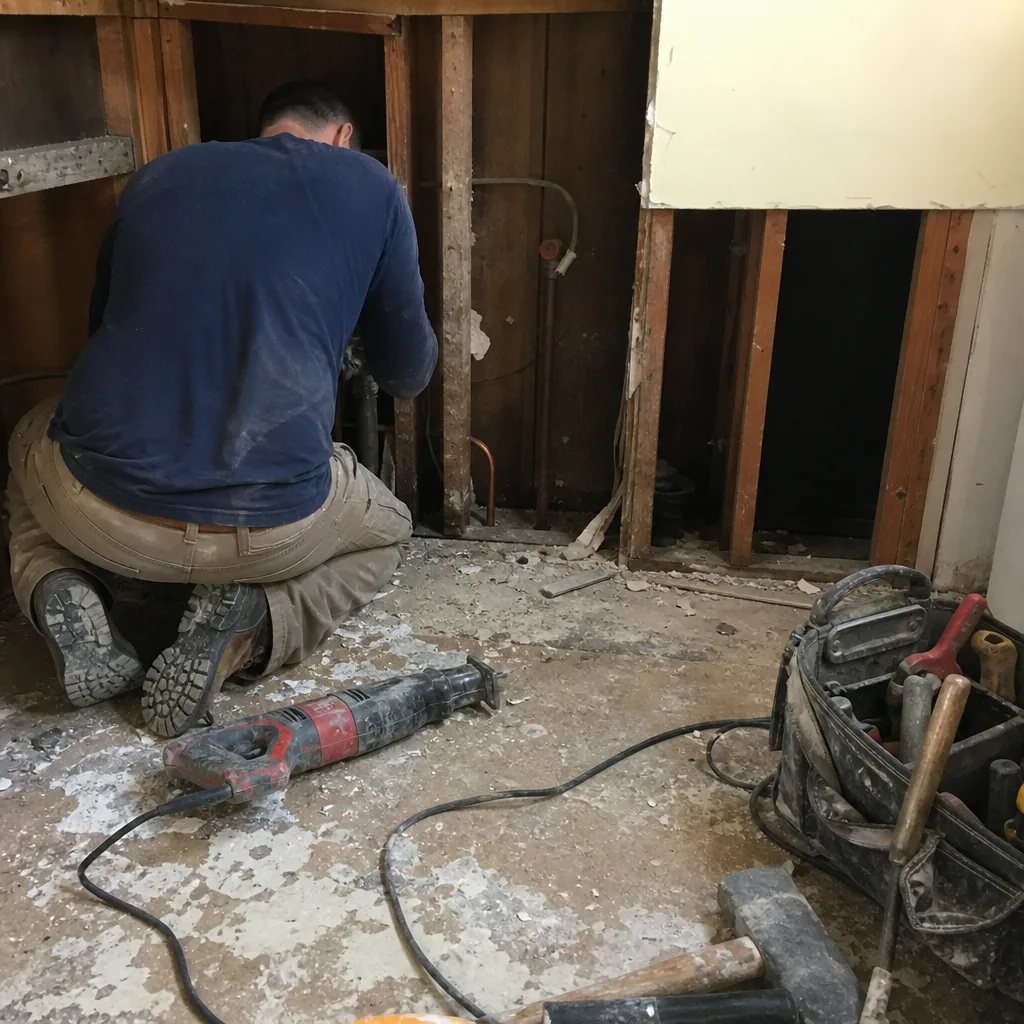 Before
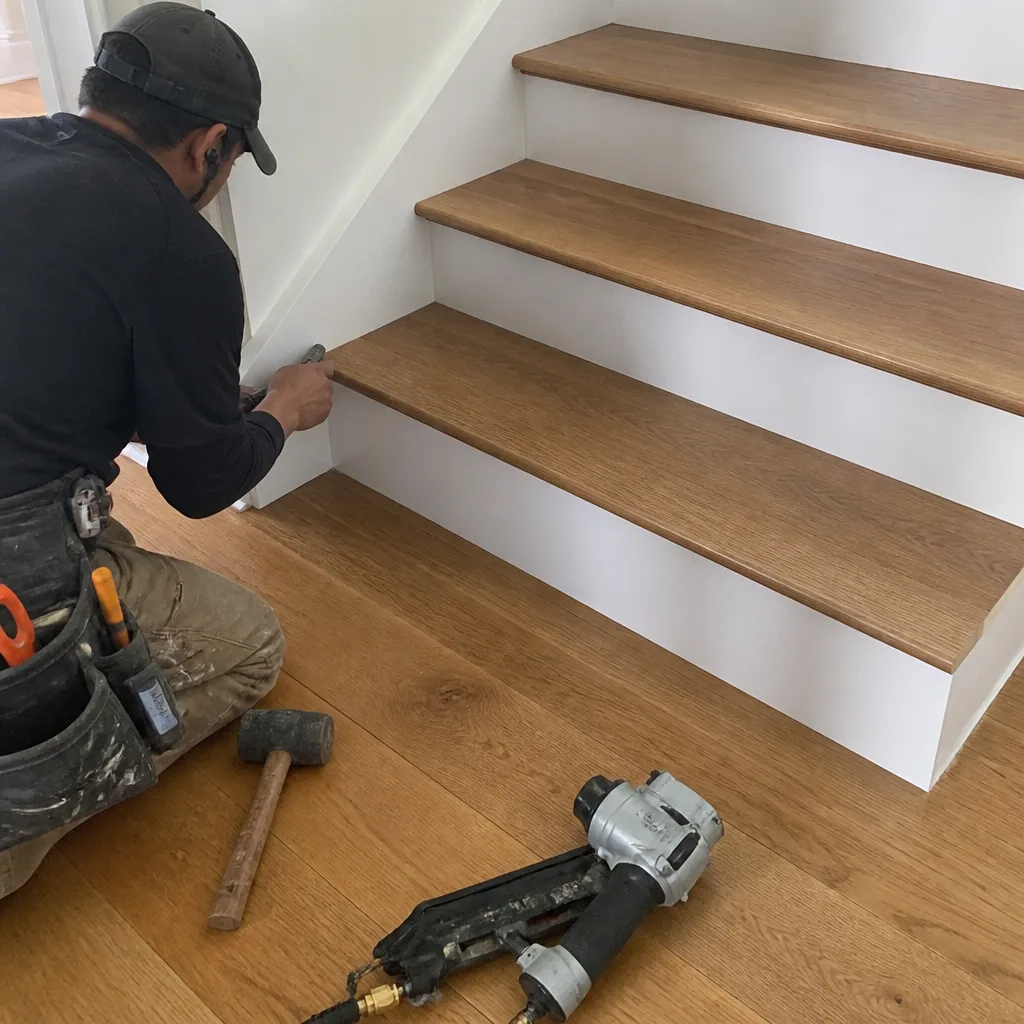 After
After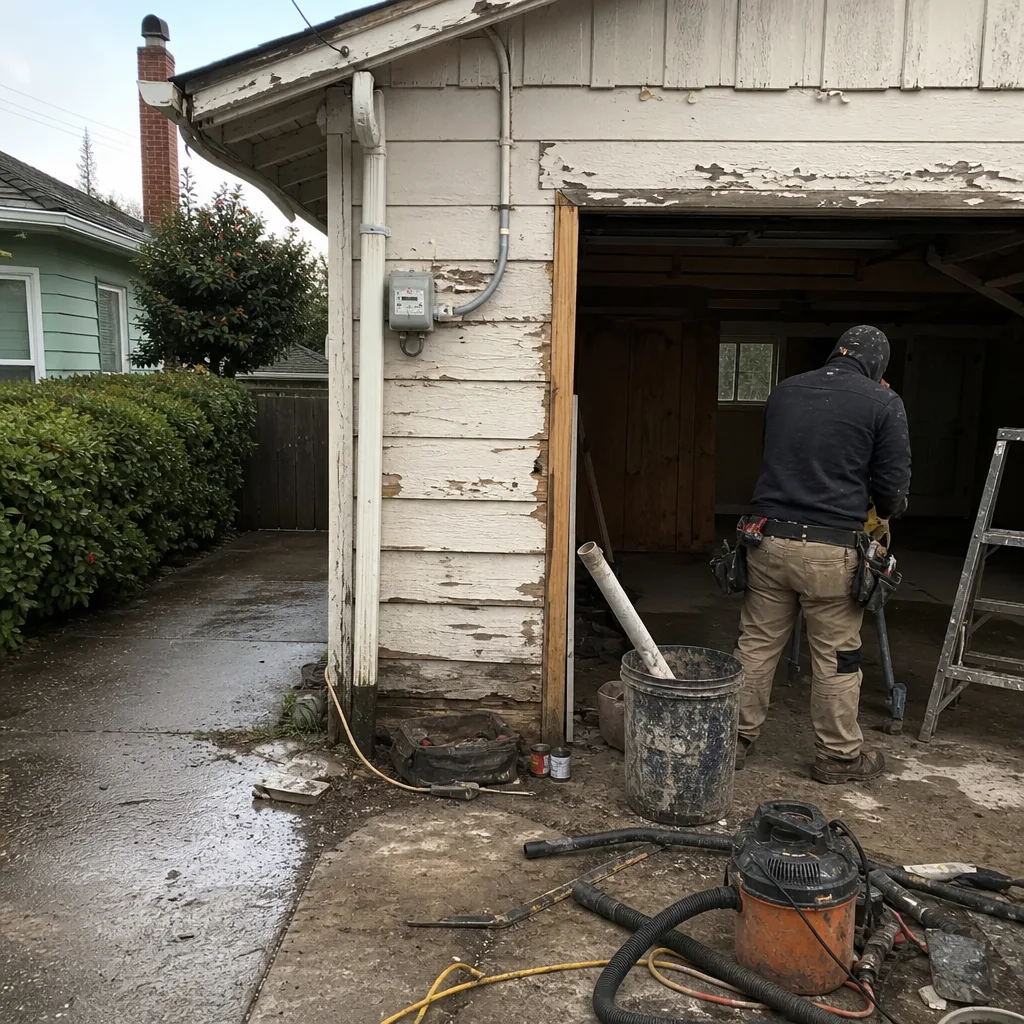 Before
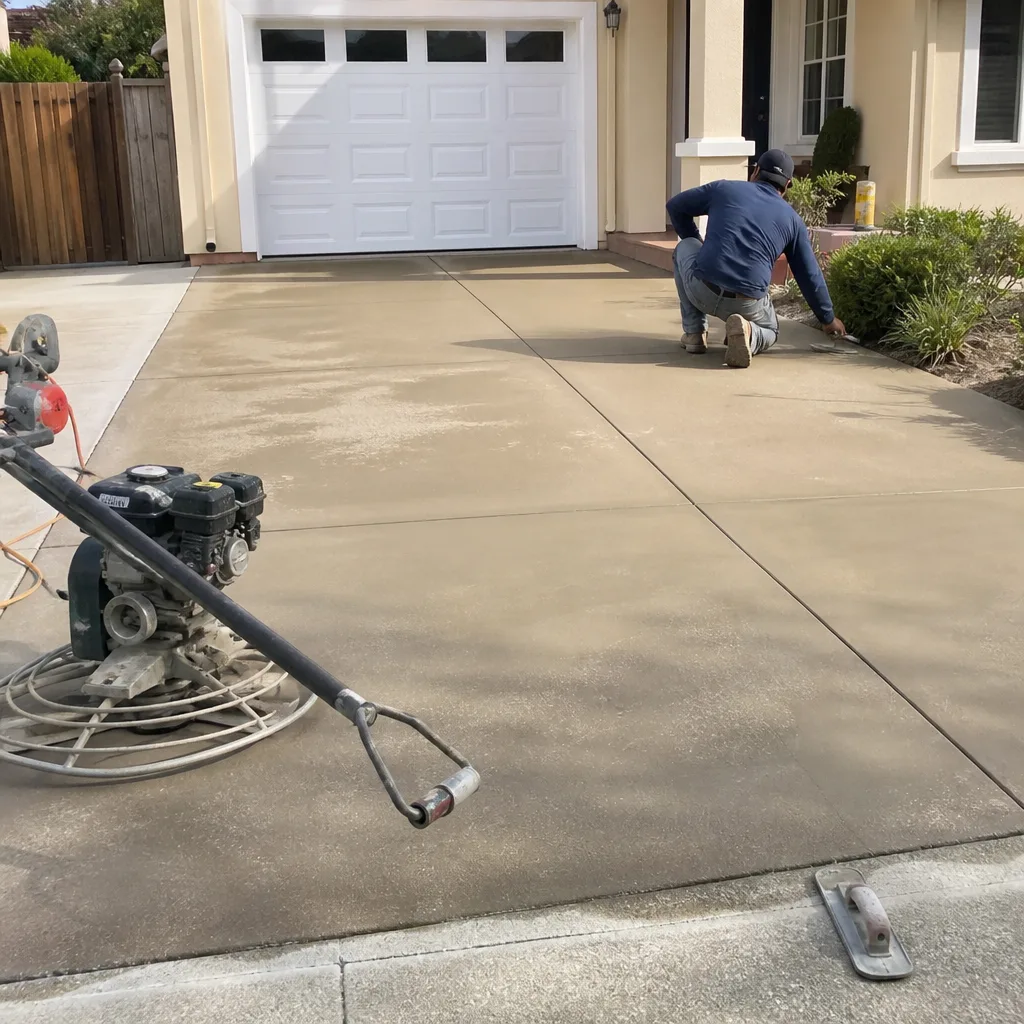 After
AfterConstruction Warning Signs: A Oakland Homeowner’s Reference Guide
The most expensive contractor mistake Oakland homeowners make isn’t hiring someone obviously unqualified. It’s hiring someone who appears legitimate, pulls a permit in their own name, and then subcontracts the actual work to unlicensed labor while the homeowner assumes the license covers the crew on site. In our experience across 4,000-plus projects since 2007, this “permit puller” scheme has cost Oakland homeowners more in rework, code violations, and liability exposure than any other single contractor problem. This guide will show you the specific warning signs that distinguish a documented, accountable construction process from one that puts your property and your finances at risk.
Quick Answer
Construction warning signs that should stop an Oakland homeowner from signing a contract include: a contractor whose name doesn’t match the CSLB license being used, bids that omit seismic or foundation details in an active earthquake zone, permits pulled in someone else’s name, and change-order language that allows work to proceed before pricing is agreed in writing. The 10-minute CSLB lookup and permit-name verification will catch most fraud before any money changes hands.
Table of Contents
- The Permit Name Verification: Catching the “Permit Puller” Scheme
- Bid Red Flags Specific to Oakland
- Material Substitution Warning Signs
- Subcontractor Documentation: What Legitimate Contractors Provide
- Site-Condition Warning Signs During Construction
- Seismic and Foundation Documentation Gaps
- Payment Schedule Red Flags
- Common Mistakes to Avoid
- When to Call a Professional
- Frequently Asked Questions
BeforeAfterThe Permit Name Verification: Catching the “Permit Puller” Scheme
The permit puller scheme works because it looks legitimate. A licensed contractor files for the building permit. The homeowner sees a familiar name on the application. What they don’t see is that the person who filed the permit has no intention of performing the work, and the crew that shows up works for a different, unlicensed entity entirely.
Here’s how to verify in 10 minutes:
- Go to the California State License Board and search the license number the contractor provided.
- Confirm the business name on the CSLB record matches exactly the name on your contract. “Rowan Construction” and “Rowan Construction Group” are different entities.
- When the permit is filed with Oakland Building Services, verify the applicant name matches the CSLB record. In Oakland, permit records are public and searchable online.
- Ask the contractor directly: “Will you personally supervise this project, or will a different crew perform the work?” Get the answer in writing.
- Request the certificate of insurance name the specific license holder as an additional insured. A permit puller often cannot produce this.
Under California Business and Professions Code Section 7027.1, a contractor who arranges for an unlicensed person to perform work that requires a license faces license suspension or revocation. But the homeowner bears the immediate cost: unlicensed work isn’t covered by the contractor’s bond, and if someone is injured on site, the homeowner’s liability exposure increases substantially.
In Oakland’s kitchen remodeling and bathroom remodeling markets, we’ve reviewed competitor estimates where the permit applicant was a licensed B-general contractor but the plumbing and electrical scopes were clearly subcontracted to unlicensed operators. The homeowner had no documentation of who was actually performing the work. Under Clause 1 of the Haven Standard, Rowan Construction Group Oakland provides the subcontractor license numbers in writing before work begins, every time.
Bid Red Flags Specific to Oakland
Oakland Building Services publishes realistic permit timelines, and any contractor promising dramatically faster turnaround is either uninformed or misrepresenting the process. As of 2024, a typical residential addition permit in Oakland takes 8-12 weeks for plan check, with another 2-4 weeks for corrections. A contractor who promises permit approval in two weeks for a project requiring structural review is either subcontracting to a permit expediter without disclosing it, or has no intention of pulling permits at all.
Specific bid red flags we’ve encountered in Oakland estimates:
- Vague seismic or foundation line items. Oakland sits in Seismic Design Category D, the second-highest classification. A bid that lists “foundation work” without specifying whether it includes shear wall anchoring, hold-down brackets, or engineered moment frames is either incomplete or concealing a significant cost. Ask for the structural engineer’s stamp and the specific code reference (typically CBC Chapter 18 or ACI 318).
- No mention of Oakland’s Green Building Ordinance. For projects over 1,000 square feet or $50,000 in valuation, Oakland requires GreenPoint Rated certification or equivalent. A bid that omits this compliance cost hasn’t been prepared by someone who regularly works in Oakland.
- Flat fees for “all permits and fees.” Oakland’s impact fees, school fees, and utility connection fees vary by project type and location. A single flat number without line-item breakdown suggests either padding or ignorance of the actual costs.
- Change-order language that allows work to proceed before signed authorization. This is the single most common source of cost overruns we’ve seen in Oakland projects. Under the Haven Standard, no change proceeds without a signed change order. Period. Any bid that contains language like “contractor may proceed with necessary changes” without prior written approval and fixed pricing should be rejected.
Rowan Construction Group Oakland provides written line-item quotes with specific material brands, quantities, and unit prices. The quote for a roofing project in Oakland, for example, specifies GAF or Owens Corning shingle type by model number, not just “architectural shingles.” This matters because the same trade name covers products with substantially different warranty terms and wind ratings.
Material Substitution Warning Signs
Material substitution fraud typically doesn’t involve outright counterfeits. It involves specification drift: the contract says “Belgard pavers” and the crew installs a different Belgard product with a lower compressive strength, or the contract specifies “KraftMaid cabinet” and the installed box is a KraftMaid line with particleboard sides instead of the plywood construction referenced in the spec.
To protect yourself:
- Request the product data sheet for every named brand in your contract. The data sheet includes the specific model number, performance specifications, and warranty terms.
- Compare the model number on the data sheet to the model number on the product packaging when materials arrive. In Oakland, where moisture and salt air affect certain materials, the difference between a product rated for interior use and one rated for exterior exposure can determine whether your deck or fence fails in five years.
- Photograph the product labels before installation. Rowan Construction Group Oakland includes this documentation as standard in our photo record, not as an upgrade.
- For pavers and hardscape, verify the ASTM C936 specification (for concrete pavers) or the manufacturer’s freeze-thaw rating. Oakland’s climate doesn’t present freeze-thaw risk, but the specification indicates whether you’re receiving a product built to national standards or a lower-grade regional equivalent.
Bufftech vinyl fencing, for example, offers multiple wall thicknesses and rail configurations. The contract should specify the exact product line, not just the brand. Jerith aluminum fencing similarly has residential, commercial, and industrial grades with different wall thicknesses and coating warranties. ActiveYards vinyl products include both traditional and reinforced rail designs. A bid that names the brand without the product line leaves substantial room for downward substitution.
Under Clause 1 of the Haven Standard, the written quote Rowan provides includes manufacturer, model, and specification for every material. If a substitution becomes necessary due to supply availability, the change order specifies the replacement product’s equivalent or superior specifications before any switch occurs.
Subcontractor Documentation: What Legitimate Contractors Provide
California law requires a general contractor to ensure that all subcontractors on a residential project are properly licensed for their trade. But the homeowner rarely sees this documentation unless they ask, and many don’t know what to request.
A legitimate general contractor in Oakland should provide, before work begins:
- The CSLB license number of every subcontractor who will perform work requiring a specialty license (C-10 electrical, C-36 plumbing, C-20 HVAC, C-39 roofing, etc.).
- A certificate of insurance for each subcontractor naming the homeowner as additional insured, with coverage dates spanning the project duration.
- Written confirmation that all subcontractors’ licenses are active and in good standing at project start.
What a contractor hiding unlicensed subs will typically do:
- Refuse to provide subcontractor license numbers, claiming “proprietary relationships” or “confidentiality.”
- Provide insurance certificates that name only the general contractor, not the actual workers on site.
- Claim that certain work doesn’t require a specialty license when it clearly does (electrical panel upgrades, gas line work, structural modifications).
In Oakland’s ADU market, we’ve encountered projects where the general contractor performed structural framing with an unlicensed crew-exactly the kind of risk covered in our DIY vs Professional Construction: The Oakland Homeowner’s Decision Guide-then brought in a licensed electrician only for the final connection. The rough framing, shear wall installation, and structural connections were performed without engineering oversight or permit inspection. When the homeowner later sold the property, the unpermitted structural work required $40,000 in remediation to clear title.
Rowan Construction Group Oakland documents every subcontractor license in the project file, available to the homeowner on request. Our background-checked, uniformed technicians arrive with identification, and the photo record shows who performed each phase of work.
Site-Condition Warning Signs During Construction
Once work begins, several observable conditions indicate whether your project is being managed with proper documentation and code compliance:
- No posted permit. Oakland Building Services requires the permit card to be posted visibly on site before work begins. If you don’t see it, work should not be proceeding. The permit card includes the project address, permit number, and scope of work.
- Inspections being “handled” without your knowledge. You have the right to be present for inspections, and you should receive a copy of the signed inspection card after each passed inspection. A contractor who schedules inspections when you’re unavailable and doesn’t provide documentation may be concealing failed inspections or work that doesn’t match the approved plans.
- Work progressing in a different sequence than the permit specifies. Structural work before foundation inspection, for example, or enclosed walls before framing inspection. This “hide the work” pattern prevents the building inspector from verifying code compliance.
- Crews changing without explanation. Different faces on site every week, with no project supervisor present, suggests subcontracting to unvetted labor rather than the documented crew the contractor represented.
- No photo documentation. In an era of smartphone cameras, there’s no excuse for a contractor who can’t show you what they found and what they did. The absence of documentation often correlates with the absence of proper procedure.
Oakland’s hillside neighborhoods, particularly in the Oakland Hills and Montclair areas, have additional site-specific requirements for erosion control, drainage, and access that must be documented in the grading permit. Work that proceeds without visible erosion-control measures (silt fences, straw wattles, stabilized construction entrances) indicates either permit non-compliance or a contractor unfamiliar with Oakland’s hillside construction requirements.
Rowan Construction Group Oakland includes a documented photo record on every visit as standard. The customer receives evidence of what was found and what was done, timestamped and organized by project phase. This isn’t an upgrade; it’s Clause 3 of the Haven Standard.
Seismic and Foundation Documentation Gaps
Oakland’s location on the Hayward Fault and its complex soil conditions, soft bay mud in the flatlands and expansive clay in the hills, make seismic and foundation documentation particularly critical for any Kitchen Remodeling Maintenance Checklist for Oakland Homeowners to address. A contractor who treats these as afterthoughts is either inexperienced or cutting corners.
Specific documentation gaps to watch for:
- No geotechnical report referenced. For new foundations, major additions, or hillside construction in Oakland, a geotechnical investigation is standard practice. A bid that doesn’t reference soil conditions or assumes “standard” foundation design without site-specific analysis is incomplete.
- Missing shear wall details. In Oakland’s seismic zone, wood-frame structures require specific shear wall hold-downs and nailing patterns. The structural plans should show these details; the bid should reference them.
- Vague “seismic upgrade” language without code reference. California’s Existing Building Code (CEBC) provides specific triggers and methods for mandatory seismic upgrades. A bid that says “bring to code” without citing the specific code section and upgrade path hasn’t been prepared with engineering input.
- No mention of cripple wall bracing or soft-story conditions. Many pre-1980 Oakland homes have unbraced cripple walls or soft first stories that require specific retrofit measures. A contractor performing foundation or structural work without addressing these conditions is leaving the homeowner with a known seismic vulnerability.
The cost of proper seismic documentation is modest compared to the cost of retrofitting after a failed inspection or, worse, after earthquake damage. Rowan Construction Group Oakland’s written quotes for foundation and structural work include the engineering consultation, the specific code compliance path, and the inspection sequence. Under the Haven Standard, the price includes all documentation required for permit approval and final sign-off.
Payment Schedule Red Flags
California law limits upfront payment on home improvement contracts to the lesser of $1,000 or 10% of the contract price. Yet we regularly review competitor contracts in Oakland that request 25%, 33%, or even 50% deposits. This isn’t just a red flag; it’s a violation that voids certain consumer protections if a dispute arises.
Problematic payment structures we’ve encountered:
- Large upfront payments with “material ordering” justification. A legitimate contractor with established supplier relationships doesn’t need homeowner financing for standard materials. This language often masks cash-flow problems or, in worst cases, advance-fee fraud.
- Progress payments not tied to inspection milestones. Payments should align with verifiable completion: foundation inspection passed, framing inspection passed, final inspection passed. A schedule that asks for payment “at rough-in” without defining what rough-in includes leaves room for dispute.
- Final payment due before final inspection. Never agree to this. The final inspection is your verification that the work meets code. Withholding final payment until final inspection passes is your only leverage to ensure completion of punch-list items.
- Requests for payment to individuals rather than the licensed entity. Payment should always go to the business name on the CSLB license and the contract. Payment to an individual, even the owner, creates documentation gaps and potential tax liability issues.
Rowan Construction Group Oakland’s payment schedule is tied to inspection milestones, with the final payment due only after final inspection and customer acceptance. The 365-Day Done Right Promise extends beyond final payment; if something isn’t right, we make it right regardless of when the issue emerges.
Common Mistakes to Avoid
- Assuming the lowest bid saves money. In Oakland’s construction market, a bid 20% below comparable quotes typically omits permit fees, underestimates structural requirements, or plans material substitution. The lowest initial price often produces the highest final cost.
- Verifying the license once but not checking renewal. CSLB licenses expire every two years. A contractor who was licensed when you signed may not be licensed when work begins. Verify active status the week work starts.
- Accepting verbal assurances about permits. “Don’t worry, I’ll handle it” isn’t documentation. Request the permit application number and verify it with Oakland Building Services.
- Not requesting the inspection schedule in writing. Oakland Building Services provides estimated inspection timeframes. A contractor who won’t commit to a schedule may be planning to skip inspections or work without permits.
- Ignoring neighborhood-specific requirements. Oakland’s historic districts, hillside zones, and certain neighborhood associations have design review or additional permit requirements beyond the standard building permit. A contractor unfamiliar with your specific area may obtain a building permit while missing these additional approvals.
- Signing a contract without reading the change-order clause. This single clause determines whether your project finishes within budget. Any language allowing the contractor to proceed with “necessary” work without prior written approval and fixed pricing exposes you to unlimited cost increases.
- Failing to document pre-existing conditions. Photograph your property before work begins. Foundation cracks, drainage patterns, and adjacent structures should be documented to establish baseline conditions and protect against damage disputes.
When to Call a Professional
Call a licensed contractor for a second opinion when: a bid seems incomplete or unusually low; a contractor can’t or won’t provide license verification, insurance certificates, or subcontractor documentation; work has begun without a visible permit; or you’ve received a change order that doesn’t specify exact costs before work proceeds. Rowan Construction Group Oakland offers a Free Second Opinion on any written estimate, reviewed line by line at no charge. For new projects in Oakland, call (628) 300-4376 to schedule your free estimate. A live person answers calls 24/7, and every visit includes a documented photo record as standard.
Frequently Asked Questions
Search the license number at cslb.ca.gov and confirm the business name matches your contract exactly, the license status is “Active,” and the bond and workers’ compensation insurance are current. For Oakland projects, also verify the name on the permit application matches the CSLB record. Call (628) 300-4376 if you want us to walk through a competitor’s estimate with you, line by line, at no charge.
A legitimate bid specifies the structural engineer’s stamp, the code compliance path (typically CEBC Chapter A3 or A4 for retrofits), and the specific hardware to be installed, hold-down brackets, anchor bolts, shear panel type and nailing pattern. Vague language like “seismic upgrade per code” without these details indicates the contractor hasn’t consulted an engineer. Call (628) 300-4376 for an estimate that includes full structural documentation.
No. California Business and Professions Code Section 7159 limits the down payment to $1,000 or 10% of the contract price, whichever is less. A contractor requesting more is violating state law and voiding certain protections. Rowan Construction Group Oakland’s payment schedule complies with this limit and ties subsequent payments to passed inspections.
Verify the permit number through Oakland Building Services’ online portal. The permit should list your property address, the licensed contractor’s name (matching CSLB records), and the specific scope of work. Work should not begin before the permit card is posted on site. If you have concerns about permit status on an active project, call (628) 300-4376 for a free consultation.
You should receive a copy of the signed inspection card showing the inspection type, date, result (approved, corrections required, or rejected), and the inspector’s signature. A contractor who “handles inspections” without providing this documentation may be concealing failed inspections. Rowan Construction Group Oakland provides inspection documentation as part of our standard project file.
Request product data sheets before work begins, photograph material labels upon delivery, and compare model numbers to your contract. For countertops, verify the slab serial number against your selection; for roofing, check the shingle bundle labels for the specified model and color code. Our written quotes specify manufacturer, model, and performance grade for every material, and our photo record documents delivery and installation.
The Bottom Line
Construction fraud in Oakland rarely announces itself. It hides behind legitimate-seeming permits, familiar brand names, and professional presentation. The protections are specific and procedural: verify the CSLB license against the permit name, demand written specifications with model numbers, tie payments to inspection milestones, and never allow work to proceed on a change without a signed change order with fixed pricing. These steps take minutes and save tens of thousands. Rowan Construction Group Oakland has operated under these disciplines since 2007, across 4,000-plus projects, with every price in writing before work starts and every project documented when the crew leaves. The Haven Standard isn’t a slogan; it’s the administrative system that keeps projects within a few percent of the agreed cost.
Written by Grant Rowan, Owner at Rowan Construction Group Oakland, serving Oakland since 2007.