
Last updated September 25, 2026
Free written scope consultation - allowances, timeline, and change-order rules on paper before a single trade is scheduled
 Before
 After
After Before
 After
AfterConstruction Cost Breakdown: The Oakland Homeowner’s Reference for 2026
The $400-per-square-foot figure cited for Bay Area remodels is statistically real but practically useless. A 200-square-foot kitchen remodel and a 200-square-foot bathroom remodel at that rate produce wildly different actual invoices because fixture density, plumbing rough-in complexity, and permit fees are not distributed by square footage. In Oakland, we’ve seen kitchen projects where cabinetry alone consumed 35% of the budget while tile and flooring took 8%, and bathrooms where the inverse was true. This guide breaks down what Oakland homeowners actually pay by trade and phase in 2026, using real cost ranges from active projects, so you can budget with specificity rather than hope. For more guides & resources on Bay Area remodeling, see our blog.
Quick Answer
Oakland construction costs in 2026 typically break down into trade-specific line items ranging from $45-$95 per hour for skilled labor, with total project costs driven more by fixture density and code compliance than by square footage alone. A homeowner who understands costs by trade - framing, electrical, plumbing, HVAC, finishes - and who accounts for Oakland’s Construction Permits, Codes & Inspections in CA: What You Need to Know including Title 24 energy requirements and seismic retrofit triggers, will budget within 10-15% of final invoice. The ones who rely on per-square-foot averages typically face surprise change orders of 20-40%.
Table of Contents
- Why Square-Foot Pricing Fails in Oakland
- Trade-by-Trade Cost Ranges for 2026
- Permit Fees and Oakland’s Building Services Schedule
- Seismic Compliance: The Hidden Cost Line Items
- Material Cost Volatility in 2026
- Change-Order Cost Management
- Common Mistakes to Avoid
- When to Call a Professional
- Frequently Asked Questions
BeforeAfterWhy Square-Foot Pricing Fails in Oakland
The square-foot method assumes construction cost is a function of area. It isn’t. It’s a function of systems density - how many plumbing fixtures, electrical circuits, HVAC zones, and finish transitions occupy that area.
Consider two Oakland projects we quoted in late 2025, both roughly 200 square feet:
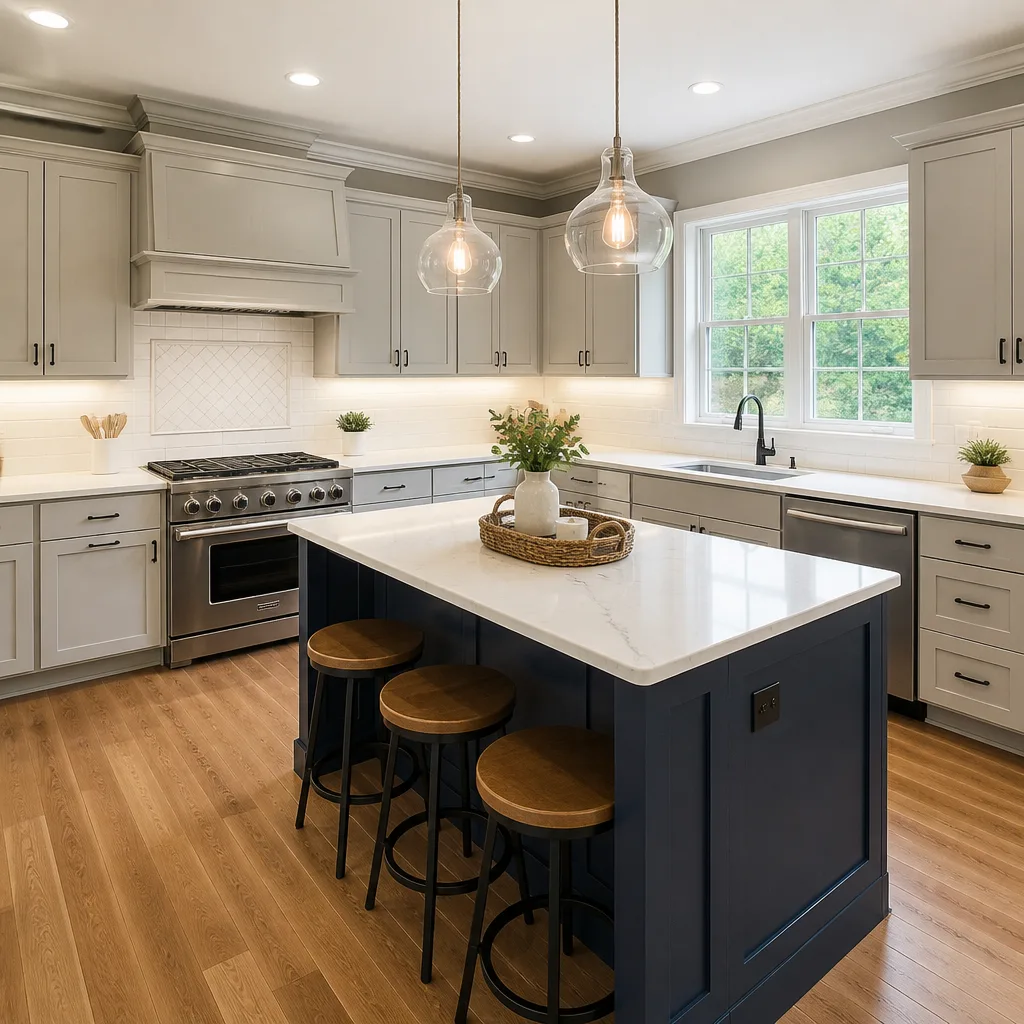
- A Kitchen Remodeling in Oakland in the Temescal neighborhood: $89,000 total. Cabinetry (KraftMaid semi-custom) was $31,000. Appliances, $14,000. The actual “construction” - demo, framing, electrical, plumbing rough-in, drywall, paint - was $28,000. The remaining $16,000 covered permits, design, and project management.
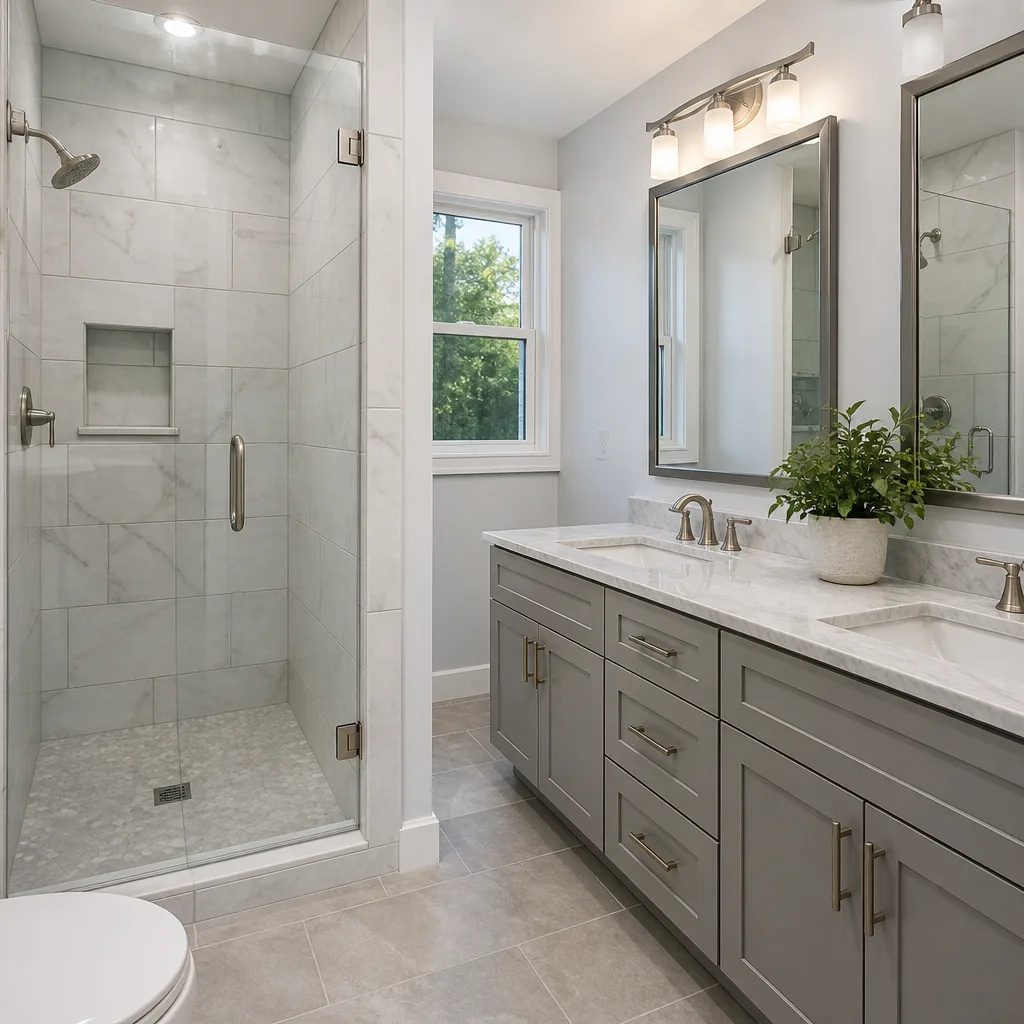
- A Bathroom Remodeling in Oakland in Rockridge: $67,000 total. Tile work (floor, shower walls, niche) was $18,000. Plumbing fixtures (Kohler, Toto) and rough-in: $15,000. The construction trades were $22,000. Permits and management: $12,000.
Per square foot, the kitchen was $445; the bathroom was $335. But the kitchen had zero tile work and one plumbing fixture relocation. The bathroom had extensive waterproofing (a liquid membrane system, not a sheet membrane, because the client wanted large-format tile on the shower walls), three fixture locations, and a heated floor circuit. Square footage explains none of this variance.
Oakland’s housing stock amplifies the problem. Pre-1940s homes in Maxwell Park, Piedmont Pines, and parts of Redwood Heights have balloon framing, knob-and-tube wiring remnants, and no shear walls - conditions that don’t exist in post-1960s construction in Montclair or the Oakland Hills. The same 10×12 room costs differently depending on which hill it’s on and what we find when we open the walls.
Our approach at Rowan Construction Group Oakland: we price by trade line item, not by area. Under Clause 1 of the Haven Standard, the written price arrives before any work starts, with each trade broken out so the homeowner sees where the money goes. No “allowances” that shift risk to the customer. If we encounter balloon framing that needs fire blocking, the change order is written, priced, and signed before the crew proceeds - not absorbed into a vague contingency.
Trade-by-Trade Cost Ranges for 2026
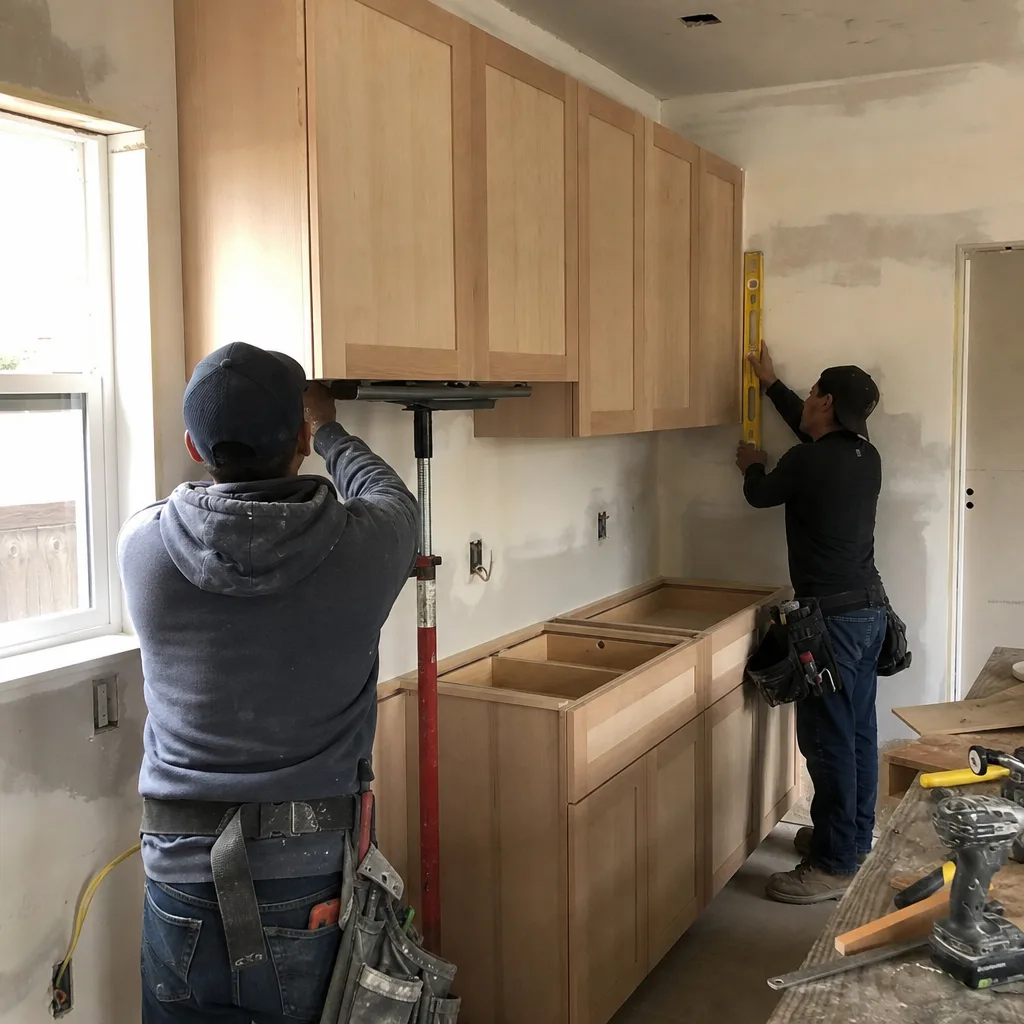
These ranges reflect Oakland’s current market, including Bay Area labor rates and the material costs we’re seeing from our supplier network across fifty-plus vetted brands. Prices include labor and materials unless noted.
Framing and Rough Carpentry
$52-$78 per hour for journeyman carpenters; $38-$52 per hour for laborers. In Oakland, where many projects involve opening up load-bearing walls for open-concept kitchens, engineered beam installation (LVL or PSL) runs $2,800-$5,500 per beam including structural engineering and permit submittal. Shear wall framing with structural plywood and Simpson Strong-Tie hardware: $18-$28 per linear foot of wall.
Homes in the Oakland Hills, particularly above Skyline Boulevard, often require pressure-treated lumber for exterior framing due to moisture exposure and termite pressure - add 15-20% to material cost.
Electrical
$95-$145 per hour for licensed electricians in Alameda County. Panel upgrades, increasingly required by Title 24 for all-electric conversions and EV-ready service, are a major cost driver:
- 100A to 200A panel upgrade: $3,200-$5,800 (includes PG&E coordination, permit, inspection)
- Sub-panel addition for ADU: $2,400-$4,200
- Whole-home rewiring (pre-1950s Oakland stock): $18,000-$32,000
- EV charger circuit (240V, 50A): $1,200-$2,800 depending on panel location and trenching needs
Title 24’s 2025 update, effective January 2026, requires new construction and major alterations to include solar-ready conduit and EV-capable panel space. This isn’t a large material cost - perhaps $400-$800 in conduit and breakers - but it triggers panel upgrades in homes where the existing service was already marginal. In our Rowan Construction Group Oakland home consultations, we now assume panel evaluation is standard on any kitchen or addition project.
Plumbing
$85-$125 per hour for licensed plumbers. Fixture relocation drives cost more than fixture replacement:
- Toilet replacement in place: $450-$750
- Toilet relocation (new flange, branch drain, vent): $2,800-$5,200
- Kitchen sink relocation (new supply, drain, vent through floor): $3,500-$6,800
- Tankless water heater (gas to electric conversion for Title 24): $4,200-$7,500 including electrical upgrade coordination
Oakland’s older sewer laterals, particularly in flatland neighborhoods like Fruitvale and San Antonio, often require replacement during bathroom projects. Trenchless lateral replacement: $8,500-$15,000. Open-trench replacement through established landscaping: $12,000-$22,000.
HVAC
Heat pump installations, now effectively mandatory for new heating systems under Oakland’s reach code alignment with Title 24, are the dominant cost:
- Central ducted heat pump (3-ton, existing ductwork compatible): $8,500-$14,000
- Central ducted heat pump (new ductwork required): $14,000-$22,000
- Mini-split system (2-3 zones): $7,500-$13,500
- Duct sealing and testing (Title 24 HERS verification): $1,200-$2,400
HVAC equipment pricing remains volatile due to refrigerant transition (R-410A phase-down) and supply-chain concentration in Asian manufacturing. We’re quoting 8-12 week lead times on Carrier and Trane residential heat pumps as of early 2026, with price holds valid for 30 days only.
Tile and Stone
Tile installation: $18-$38 per square foot for ceramic and porcelain; $32-$58 for natural stone; $45-$75 for large-format (24″+) with leveling systems. The substrate preparation - cement board, liquid membrane waterproofing, slope-to-drain in showers - adds $8-$15 per square foot before tile touches the wall.
Countertops: Cambria quartz runs $85-$145 per square foot installed; Caesarstone $78-$132. The price variance is largely color-driven - whites and grays are commodity-priced; veined patterns and jumbos (slabs over 120″) command premium. In Oakland’s design-conscious market, we’re seeing strong demand for Cambria’s Brittanicca and Torquay patterns, which sit at the upper end.
Cabinetry
KraftMaid semi-custom: $420-$680 per linear foot for base and wall cabinets, finished ends and trim included. Wellborn: $380-$620 per linear foot. Custom local fabrication: $680-$1,200 per linear foot.
The cabinet market stabilized in 2024-2025 after pandemic chaos, but lead times remain 6-10 weeks for semi-custom versus 3-4 weeks pre-2020. We build our project schedules around cabinet delivery; everything else flexes to that date.
Finish Carpentry and Painting
Finish carpentry: $58-$88 per hour. Custom trim profiles, built-ins, and wainscoting: $45-$85 per linear foot installed. Interior painting: $3.80-$6.50 per square foot of wall surface (two coats, premium paint); exterior painting on Oakland’s older homes with extensive prep: $5.50-$9.50 per square foot.
Exterior painting in Oakland requires particular attention to moisture management. Homes in the fog belt near Lake Merritt or the Dimond District need elastomeric coatings on stucco, not standard latex - add 30-40% to material cost, but the service life extends from 5-7 years to 12-15.
Roofing
Roofing in Oakland costs are driven by pitch, access, and the layer count we find on tear-off:
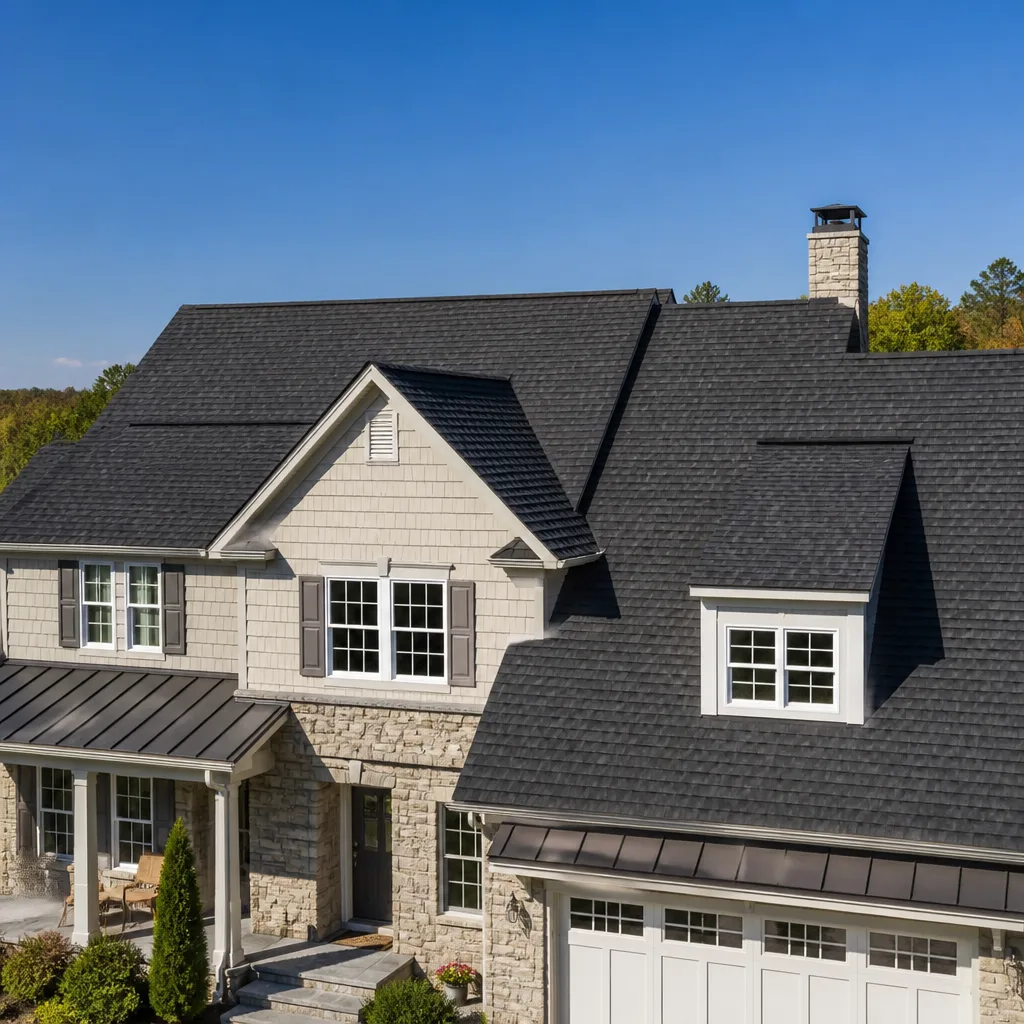
- GAF Timberline HDZ architectural shingle (complete tear-off, one layer): $8.50-$12.50 per square foot
- GAF Timberline (tear-off, two layers, plywood replacement): $11.50-$16.50 per square foot
- Owens Corning Duration (comparable spec): $8.20-$12.20 per square foot
- Flat roof (TPO or modified bitumen): $10.50-$18.50 per square foot depending on insulation requirements
Oakland’s combination of steep hillsides and tight lot lines means many roofing projects require scaffolding or boom equipment that flatland contractors don’t face. We’ve done jobs in Piedmont Pines where the material hoist alone added $3,200 to the project.
Windows and Doors
Window replacement in Oakland must meet Title 24’s U-factor and SHGC requirements, which effectively mandates double-pane low-E minimums:
- Vinyl replacement window (double-hung, mid-grade): $680-$1,200 per opening installed
- Fiberglass window (Milgard Ultra or comparable): $1,100-$1,850 per opening
- Therma-Tru fiberglass entry door with sidelite: $3,200-$5,800
- Mr-Glass impact-rated sliding door (for hillside homes in fire zones): $4,500-$8,200
Fire-rated doors and windows are increasingly required in Oakland’s Wildland-Urban Interface zones, which now extend into portions of Montclair and Redwood Heights. A standard Therma-Tru entry door becomes a 20-minute fire-rated assembly with specific glass, frame, and threshold - add $800-$1,400 per opening.
Fence, Driveway, and Hardscape
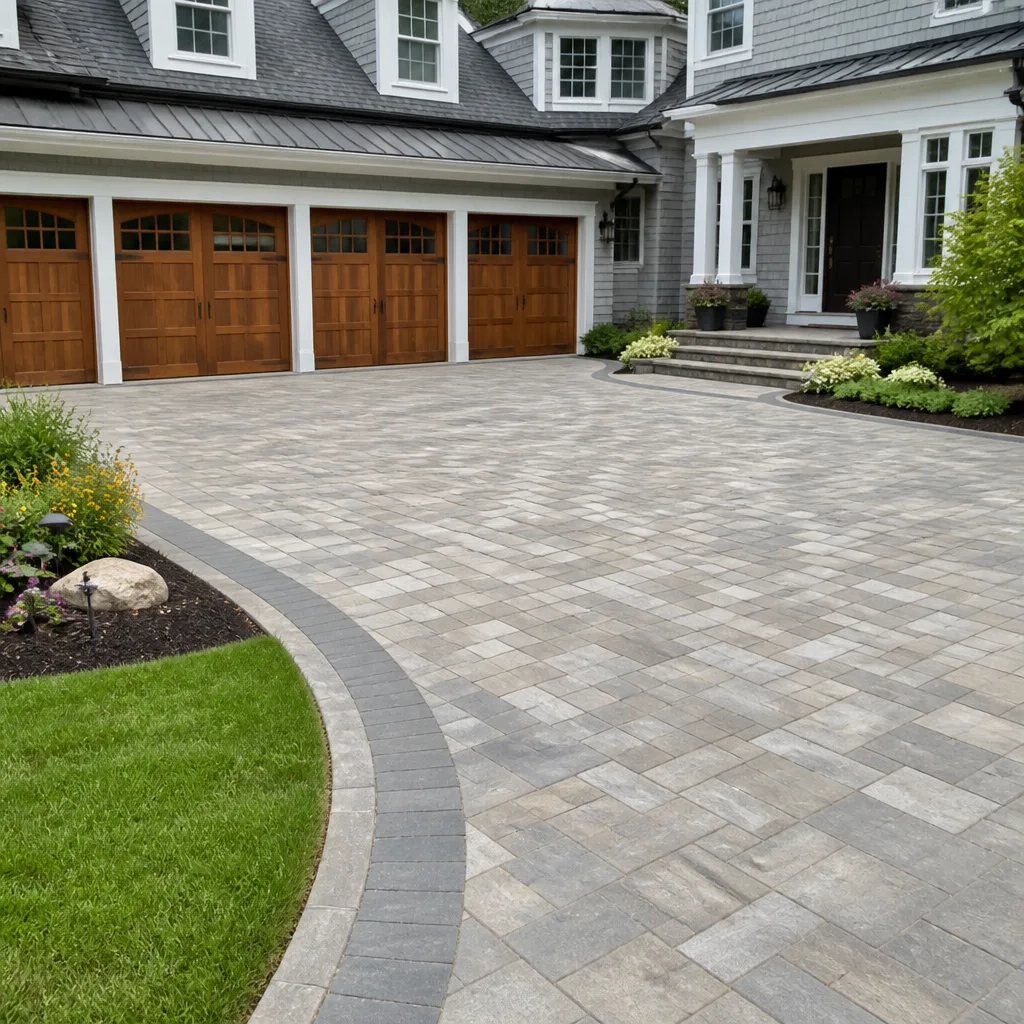
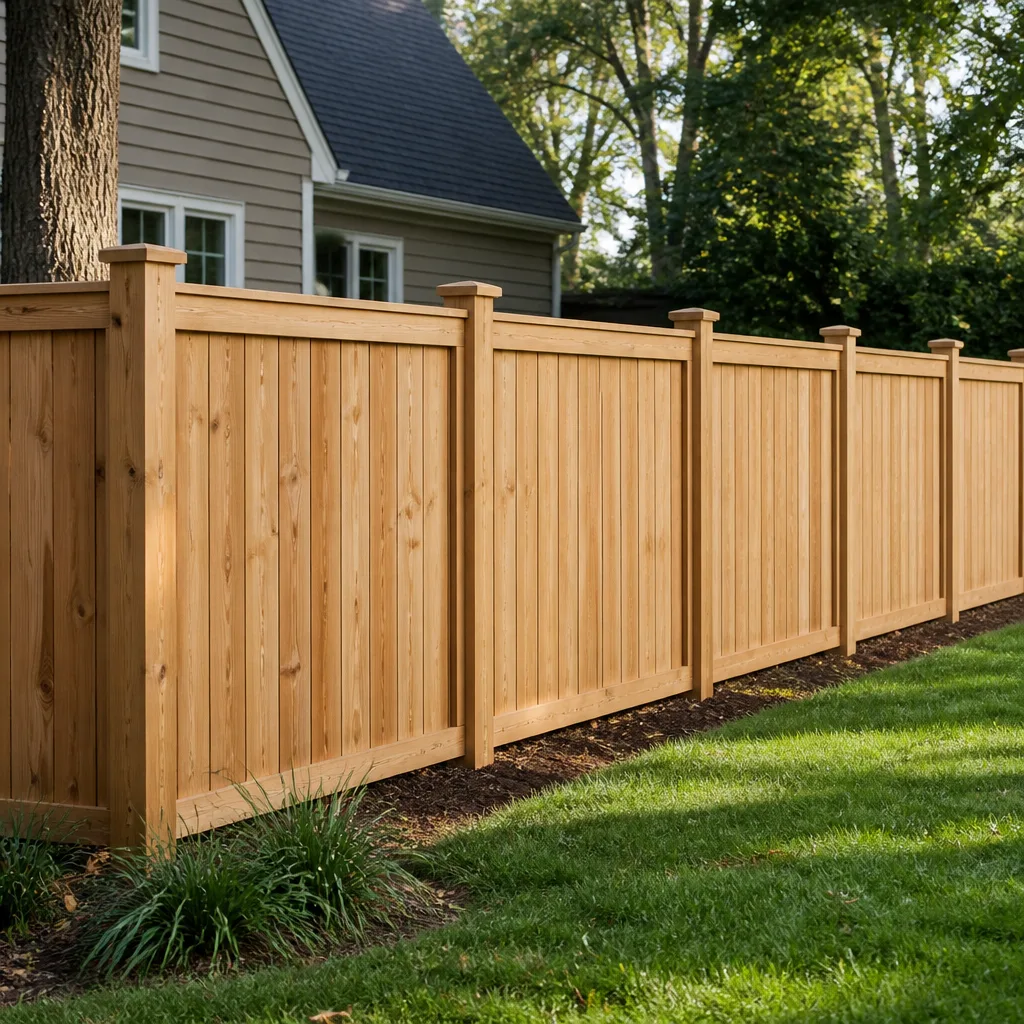
Barrette cedar privacy fence (6′, pressure-treated posts, cedar pickets): $38-$58 per linear foot. Belgard paver driveway (excavation, base, bedding, pavers, edge restraint): $18-$32 per square foot. Techo-Bloc permeable paver system (required for some Oakland stormwater management plans): $24-$42 per square foot.
Driveway replacement in Oakland’s older flatland neighborhoods often reveals non-compliant setbacks or undocumented utility easements. We pull the recorded plat and utility maps before demolition - a $400-$800 preliminary step that prevents $8,000 surprises.
Permit Fees and Oakland’s Building Services Schedule
Oakland’s permit fees are calculated on a valuation basis with trade-specific multipliers, not flat rates. Understanding this structure lets homeowners estimate permit costs before submitting plans.
The base formula: Building Permit Fee = (Valuation × Percentage Rate) + Plan Check Fee + Trade Permits + State Surcharges
For 2026, the key rates are:
- Building permit percentage: $13.50 per $1,000 of valuation for residential remodeling, with a $220 minimum. Valuation is not your contractor’s price - it’s the city’s assessed construction value, typically 70-85% of contract price for labor-plus-materials projects.
- Plan check fee: 65% of the building permit fee, charged at application. For a $120,000 kitchen remodel, that’s roughly $1,050 building permit + $680 plan check = $1,730 before trade permits.
- Trade permits (each required separately): Electrical: $220 base + $12.50 per $1,000 valuation; Plumbing: $195 base + $11.50 per $1,000; Mechanical (HVAC): $210 base + $12.00 per $1,000.
- State surcharges: Approximately 4-6% of total permit cost, including SB 1473 (building standards administration) and various energy and accessibility funds.
For a representative $150,000 whole-home project in Oakland - say, a kitchen remodel with panel upgrade, bathroom update, and ADU feasibility prep - total permit costs typically run $4,200-$6,800. The variance depends on how the city assesses valuation and whether the project triggers discretionary review (historic districts, hillside grading, or WUI fire compliance).
Expedited plan check is available for 150% of standard fees, reducing review time from 8-12 weeks to 3-4 weeks. In our experience, this pays for itself on projects with material lead-time constraints - paying $2,400 to save six weeks when cabinets have a 10-week lead time is straightforward math.
One Oakland-specific complexity: properties in the Oakland Hills Fire Service Area require additional Fire Department plan review for exterior materials, access, and water supply. This adds $450-$850 and 2-3 weeks to the permit timeline. We identify this trigger in our initial site evaluation and build it into the project schedule.
Seismic Compliance: The Hidden Cost Line Items
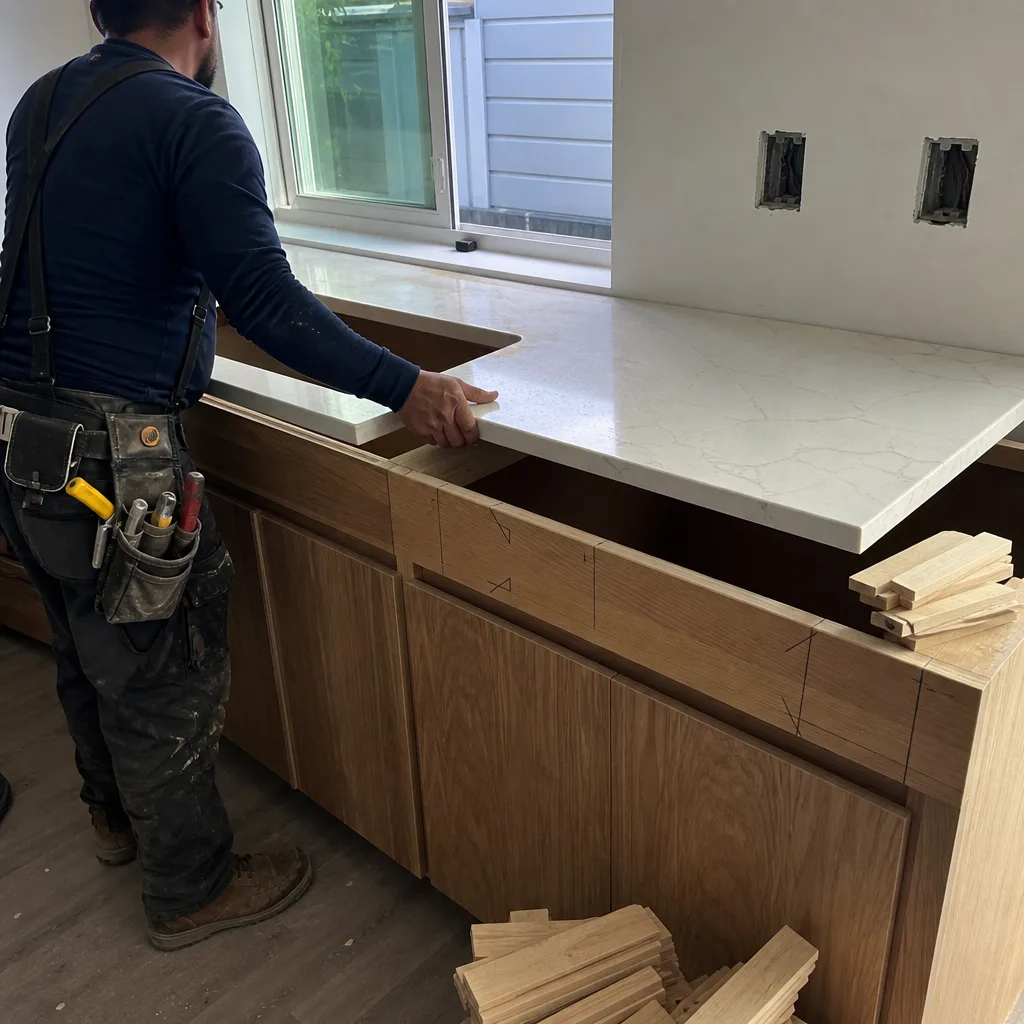
Oakland’s location on the Hayward Fault and its inventory of pre-1980 housing stock make seismic upgrades a frequent project adder, not a specialty category. Homeowners budgeting for cosmetic work often discover structural requirements when walls open.
The three most common seismic line items we encounter:
Shear Wall Upgrades
Required when a remodel removes or alters existing braced wall panels, or when a second-story addition needs lateral support. Cost: $3,200-$6,500 per shear wall location, including structural plywood, hold-downs, anchor bolts, and engineering. In a typical 1950s ranch in the Sequoia Hills area, we might add two shear walls for a kitchen opening - $6,400-$13,000 to the project, unanticipated by homeowners who planned for cabinets and countertops.
Anchor Bolt Retrofit
Older Oakland homes often lack sill plate anchorage to the foundation. Full-perimeter retrofit: $8,500-$16,000, including interior finish repair. Partial retrofit (accessible walls only): $4,200-$7,500. This work is frequently triggered by ADU conversions in garages, where the existing slab edge is exposed and the code requires current anchorage standards.
Soft-Story Bracing
Oakland’s mandatory soft-story retrofit program (Ordinance 13204) applies to wood-frame buildings with three or more stories or five or more units, but the engineering principles apply to large single-family homes with tuck-under parking or open ground floors. Residential soft-story bracing with steel moment frames or plywood shear walls: $18,000-$45,000 depending on opening count and foundation access.
We document foundation conditions during our initial site visit with photo records included as standard. If we see unbolted sills, cripple walls without shear panels, or soft-story configurations, we flag the risk in our written scope and price the upgrade as an option line - not a surprise later.
Material Cost Volatility in 2026
After three years of supply-chain disruption, material pricing has sorted into two categories: stabilized and volatile. Knowing which is which helps with timing decisions.
Stabilized Categories
- Structural lumber: Framing lumber and engineered wood products (LVL, I-joists) have returned to 2019 price levels plus normal inflation. OSB sheathing remains slightly elevated but predictable.
- Cabinetry and millwork: KraftMaid, Wellborn, and comparable domestic manufacturers have normalized lead times and pricing. Import cabinets from Vietnam and China face tariff uncertainty but represent a minority of our specification.
- Copper wiring: After the 2021-2022 spike, copper has settled into a narrower trading range. We quote electrical packages with 30-day price locks.
Volatile Categories
- Appliances: Bosch, Thermador, and Miele continue to experience allocation shortages and freight cost volatility. A Bosch dishwasher quoted at $1,200 in January might be $1,450 in March or unavailable until June. We now specify appliance packages with two alternates and price the project based on current availability.
- HVAC equipment: Heat pump transition demand, refrigerant phase-down, and concentration of compressor manufacturing in Southeast Asia create ongoing price and lead-time risk. We quote HVAC with explicit expiration dates and recommend purchase commitment at contract signing.
- Windows and doors: Aluminum extrusion and glass pricing have stabilized, but custom sizes and fire-rated assemblies face 10-14 week lead times. Mr-Glass and ViewLux products, specified for WUI compliance, require early ordering.
Our response to volatility: the written quote includes a material escalation clause for categories above a threshold, with a defined process for substitution approval. Under the Haven Standard, the customer sees the risk allocation in writing before signing, not in a surprise invoice.
Change-Order Cost Management
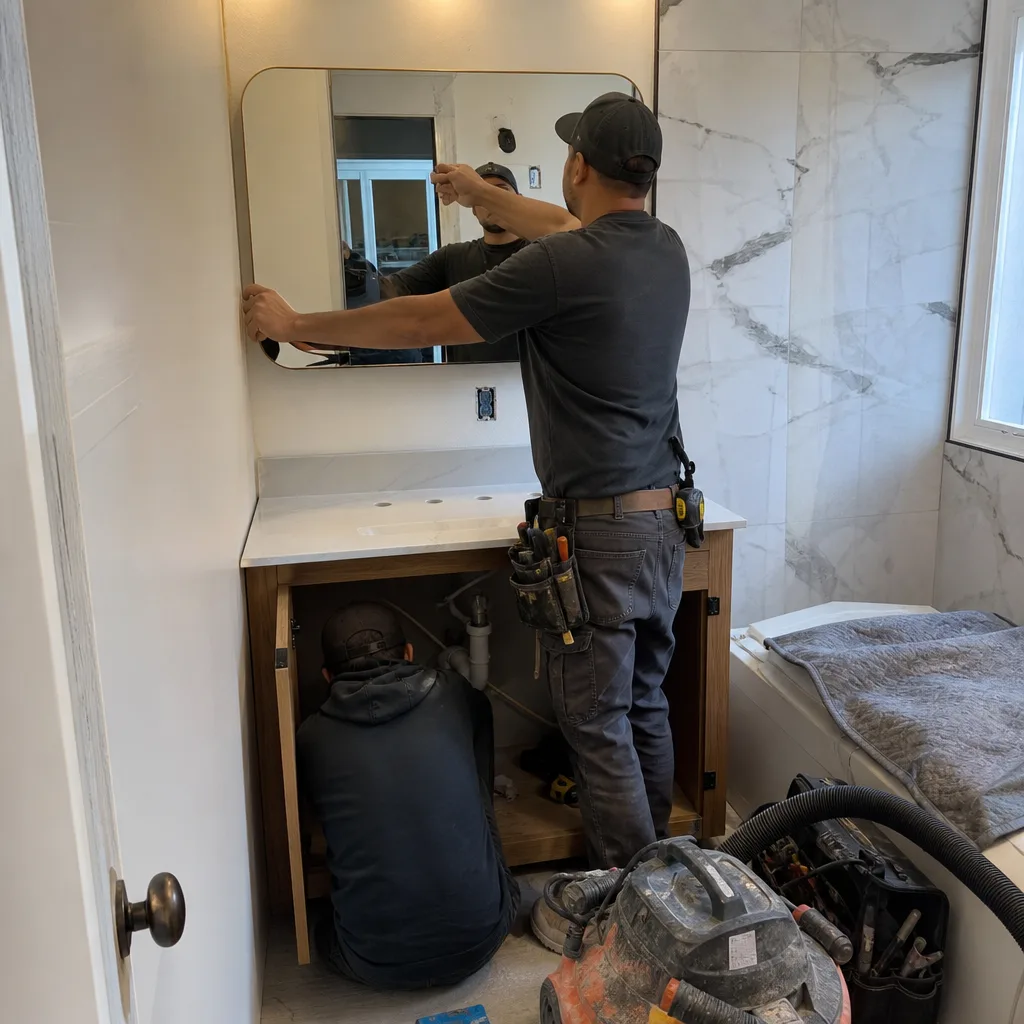
The average Bay Area construction project experiences 15-25% in change orders, according to industry data we’ve tracked since 2007 - a gap explored in our DIY vs Professional Construction: The Oakland Homeowner’s Decision Guide. At Rowan Construction Group Oakland, our average is 3-7%. The difference is administrative discipline, not luck.
Here’s how we handle scope changes:
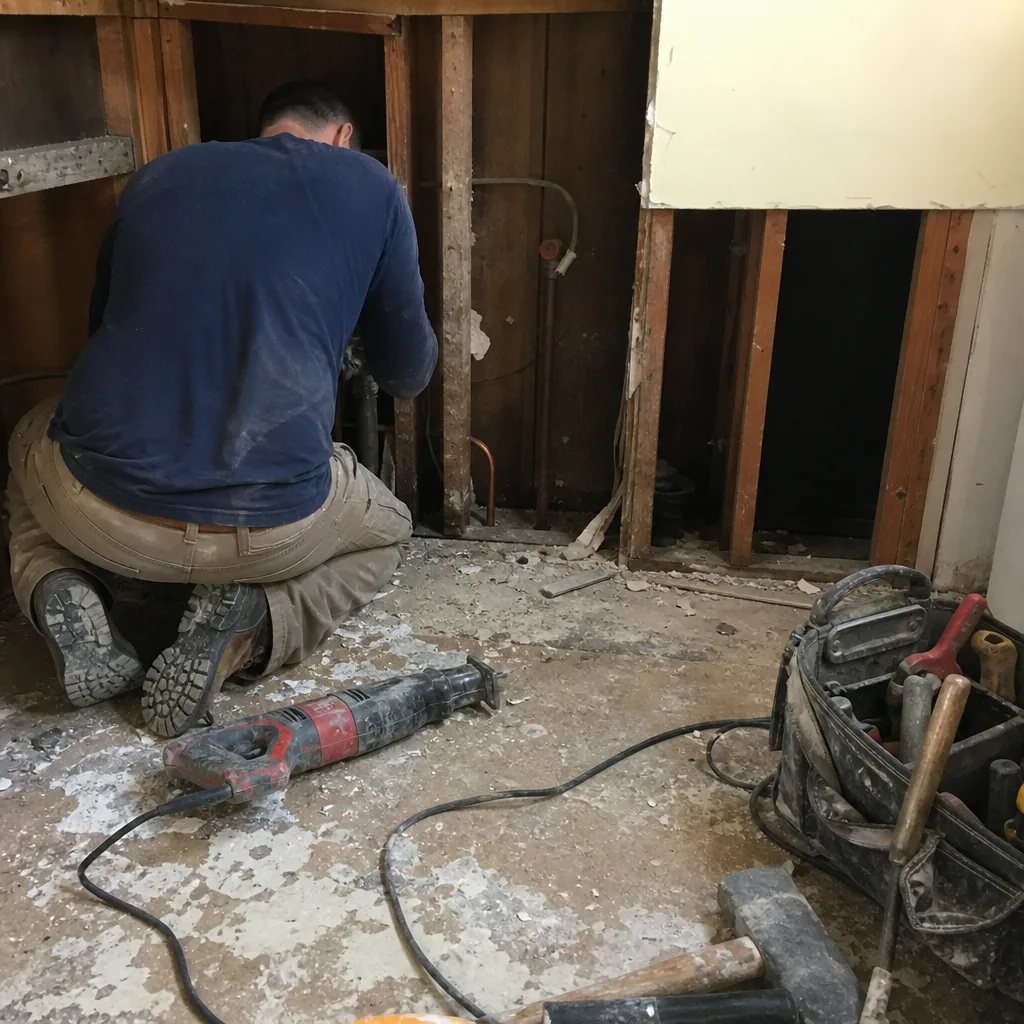
- Discovery: During demo or rough-in, we find balloon framing without fire blocking, or a sewer lateral that’s Orangeburg pipe, not cast iron. The crew stops work in that area and notifies the project manager same-day.
- Documentation: The project manager photographs the condition, writes a description, and obtains a subcontractor price for the repair or upgrade.
- Pricing: We add our standard markup (15% on subcontracted work, 10% on self-performed) and prepare a one-page change order with line-item cost, schedule impact, and signature block.
- Approval: No work proceeds until the change order is signed. This is Clause 3 of the Haven Standard, and it’s non-negotiable. The crew moves to other areas of the project while awaiting approval, so schedule impact is minimized.
- Record: The signed change order becomes part of the project file, included in the final documentation package with the photo record and warranty.
The typical signed change order on our projects ranges from $1,800-$4,500 - enough to cover real conditions found in Oakland’s aging housing stock, but not enough to blow the budget. The key is early discovery and immediate documentation. A contractor who “just handles it” and bills later is creating a dispute, not a relationship.
Our Free Second Opinion on Any Written Estimate includes change-order history review. Bring a competitor’s quote and we’ll ask: how many change orders did their last ten projects generate? What’s their average change-order percentage? Most homeowners have never thought to ask.
Common Mistakes to Avoid
- Using online “cost per square foot” calculators without adjusting for Oakland’s code requirements. These tools rarely include Title 24 compliance costs, seismic triggers, or the premium for working in tight hillside lots. A calculator that says $350/sf for a kitchen remodel will miss by 30-50% on an actual Oakland project.
- Requesting bids without a defined scope. Three contractors bidding on three different visions produces three incomparable numbers. We provide a written scope with every quote so the homeowner can compare apples to apples - or ask competitors to bid to the same specification.
- Ignoring permit costs in the initial budget. Oakland’s permit fees, plan check, and potential Fire Department review can total 4-7% of project value. Homeowners who budget to the contractor’s price alone find themselves scrambling when the permit invoice arrives.
- Assuming “all-inclusive” quotes include everything. We’ve reviewed competitor quotes that excluded permit fees, utility coordination, or finish protection - line items that appear later as “unforeseen conditions.” Our quotes are flat prices with written scope; if it’s not in the scope, it’s not in the price, and we say so explicitly.
- Neglecting to verify license and insurance before signing. California Contractors State License Board verification takes two minutes online. Ask for the certificate of insurance with your name as additional insured. In Oakland, where unpermitted work can trigger resale complications, working with an unlicensed contractor is a financial risk, not a savings.
- Accepting verbal promises for timeline or price holds. Material prices change. Lead times shift. If it’s not in writing with an expiration date, it’s not a commitment. Our written quotes include 30-day price holds and defined schedule windows based on current material availability.
- Overlooking the cost of living elsewhere during major work. A whole-home remodel in Oakland might require 3-6 months of alternative housing. At $4,000-$7,000 monthly for a short-term rental, this can exceed the construction budget itself. We discuss phasing options - completing the ADU first for temporary residence, for example - during initial planning.
When to Call a Professional
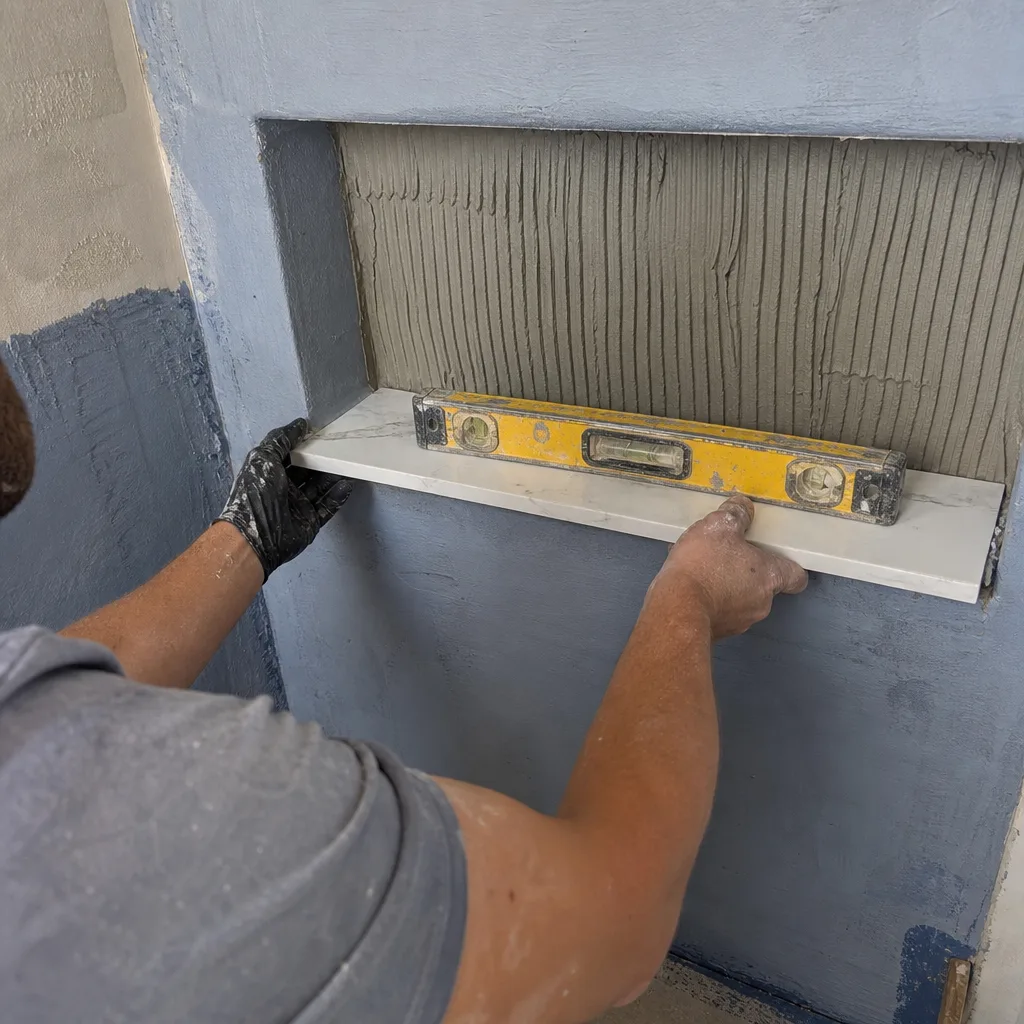
Call a licensed contractor when your project involves structural modification, electrical or plumbing relocation, or work requiring permits - which in Oakland means virtually any remodel beyond cosmetic painting and flooring. The city’s building code is explicit: permits are required for alterations affecting structural, electrical, plumbing, mechanical, or energy systems.
Specific triggers that warrant professional evaluation: sagging or sloping floors (potential foundation or framing issues), frequent electrical breaker trips (panel or circuit overload), water stains on ceilings or walls (active leak or failed flashing), and any project in a WUI fire zone where material specifications are regulated. In the Oakland Hills, even fence replacement within 10 feet of a structure may require fire-resistant materials.
Rowan Construction Group Oakland offers free estimates in Oakland - call (628) 300-4376. Every estimate includes a written price, a written scope, and a documented photo record of existing conditions. We also offer our Free Second Opinion on any written estimate from another contractor; bring your quote and we’ll review it line by line at no charge.
Frequently Asked Questions
A mid-range kitchen remodel in Oakland typically ranges from $75,000 to $145,000, with the variance driven by cabinetry selection, appliance package, and whether the project includes structural changes or panel upgrades. High-end projects with custom cabinetry, professional-grade appliances, and layout modifications can exceed $200,000. Call (628) 300-4376 for an exact quote - estimates are free.
At Rowan Construction Group Oakland, the written price in your signed contract is the price - unless you request changes or we discover concealed conditions that were reasonably unforeseeable. Even then, no work proceeds on a change until the change order is signed and priced. This discipline, part of the Haven Standard since 2007, is why our projects finish within a few percent of the agreed number. Call (628) 300-4376 to discuss how we handle specific risk scenarios in your project.
We pull all permits as part of our standard service. This includes Building, Electrical, Plumbing, and Mechanical permits, plus any required Fire Department or Planning Department reviews. The permit costs are included in your written quote, not added later. We also schedule and meet inspectors, with the photo record documenting compliance at each inspection stage.
Kitchen remodels: 8-14 weeks from permit approval to final inspection. Bathroom remodels: 5-10 weeks. Whole-home renovations: 4-8 months. ADU construction: 8-14 months including design, permitting, and construction. These timelines assume no discretionary review or historic preservation complications, which can add 2-6 months in designated districts. We build realistic schedules and communicate weekly progress.
If anything we install or build is not done right, we make it right - for 365 days from substantial completion. This covers workmanship, material defects we supplied, and functional performance of installed systems. The promise is printed on every page of our terms, not hidden in fine print, and backed by The Haven Standard’s claims process. We’ve honored it 47 times across 4,000-plus projects; the documentation exists for every instance.
Budget 8-12% of construction cost for concealed conditions in pre-1960s Oakland homes, 5-8% for 1960s-1980s construction. This isn’t a slush fund - it’s a contingency with defined trigger conditions (asbestos, lead, ungrounded wiring, failed plumbing, structural decay). If unused, it comes off the final invoice. We discuss specific risks visible during our site evaluation and price them as option lines, not surprises.
For kitchen-only projects, yes - with temporary kitchen setup in another room. For bathroom-only projects, yes - if you have a second bathroom. For whole-home renovations or projects involving electrical panel replacement, you’ll need alternative accommodations for 3-7 days minimum. We phase work to minimize displacement and can complete an ADU or accessory space first if that serves as temporary housing.
The Bottom Line
Oakland construction costs in 2026 reward specificity and punish approximation. Homeowners who break down projects by trade, account for Title 24 and seismic compliance, understand permit fee structures, and work with contractors who document everything in writing before work starts will budget accurately and finish close to that budget. Those who rely on square-foot averages, verbal estimates, and undefined “allowances” will encounter the 20-40% cost overruns that make renovation horror stories.
The tools for accurate budgeting exist: line-item quotes, written scopes, signed change orders, and documented photo records. At Rowan Construction Group Oakland, these aren’t marketing claims - they’re operational standards we’ve applied across 4,000-plus projects since 2007. The Haven Standard requires them, and our track record validates them.
Written by Grant Rowan, Owner at Rowan Construction Group Oakland, serving Oakland since 2007.