
Free written scope consultation - allowances, timeline, and change-order rules on paper before a single trade is scheduled







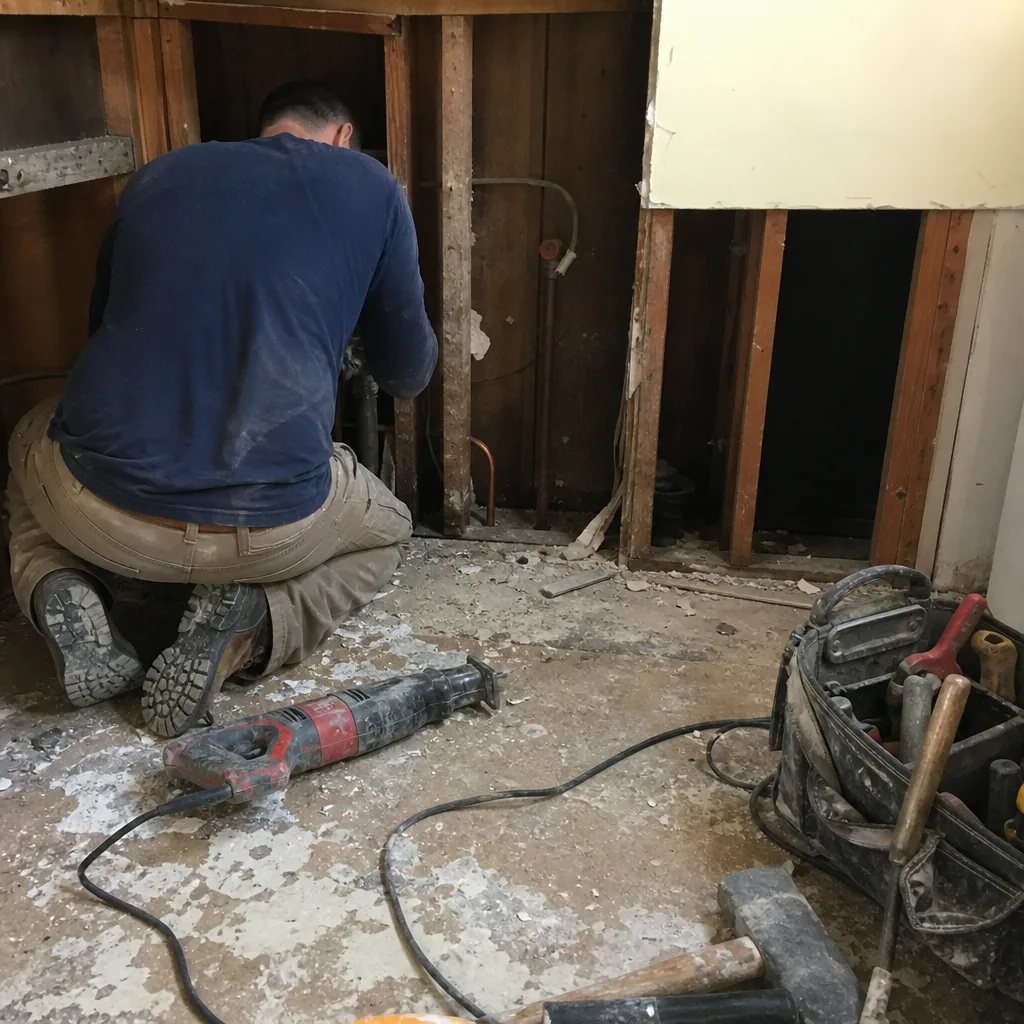 Before
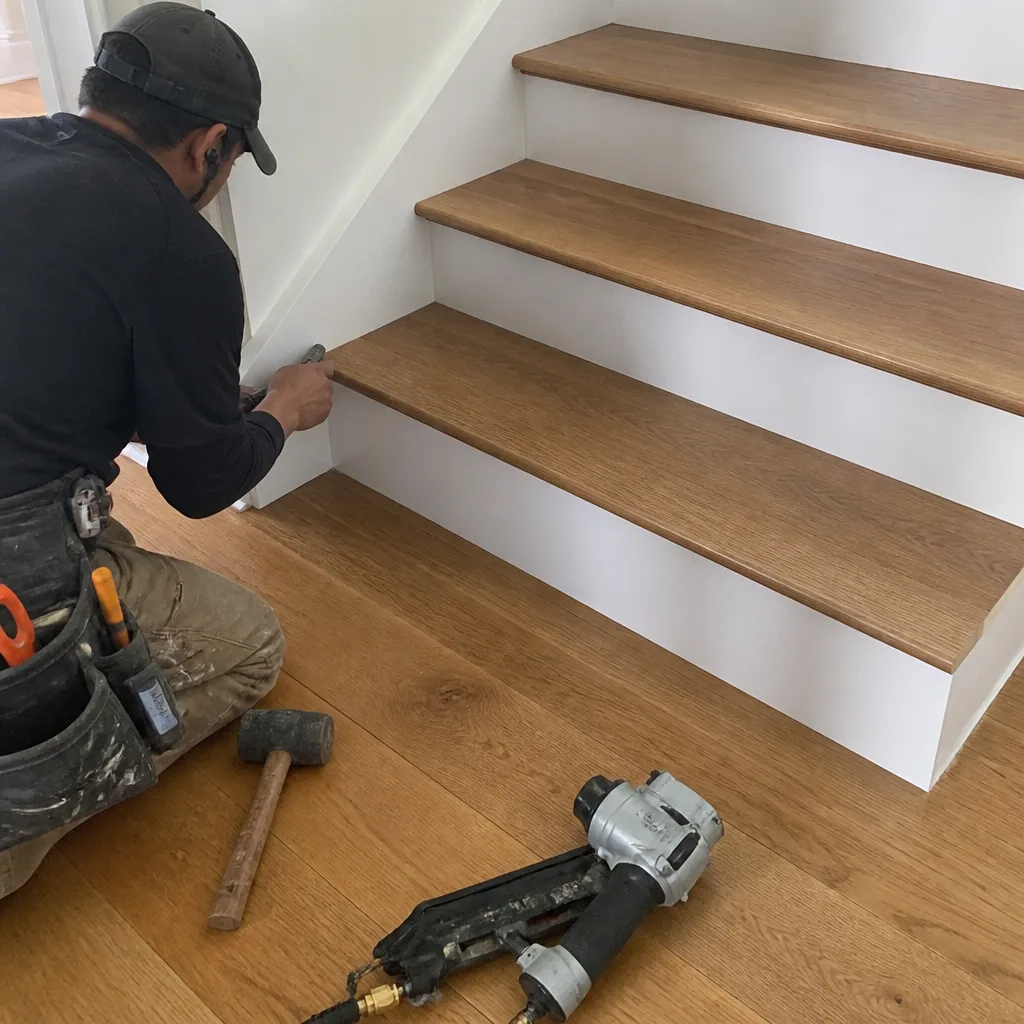 After
After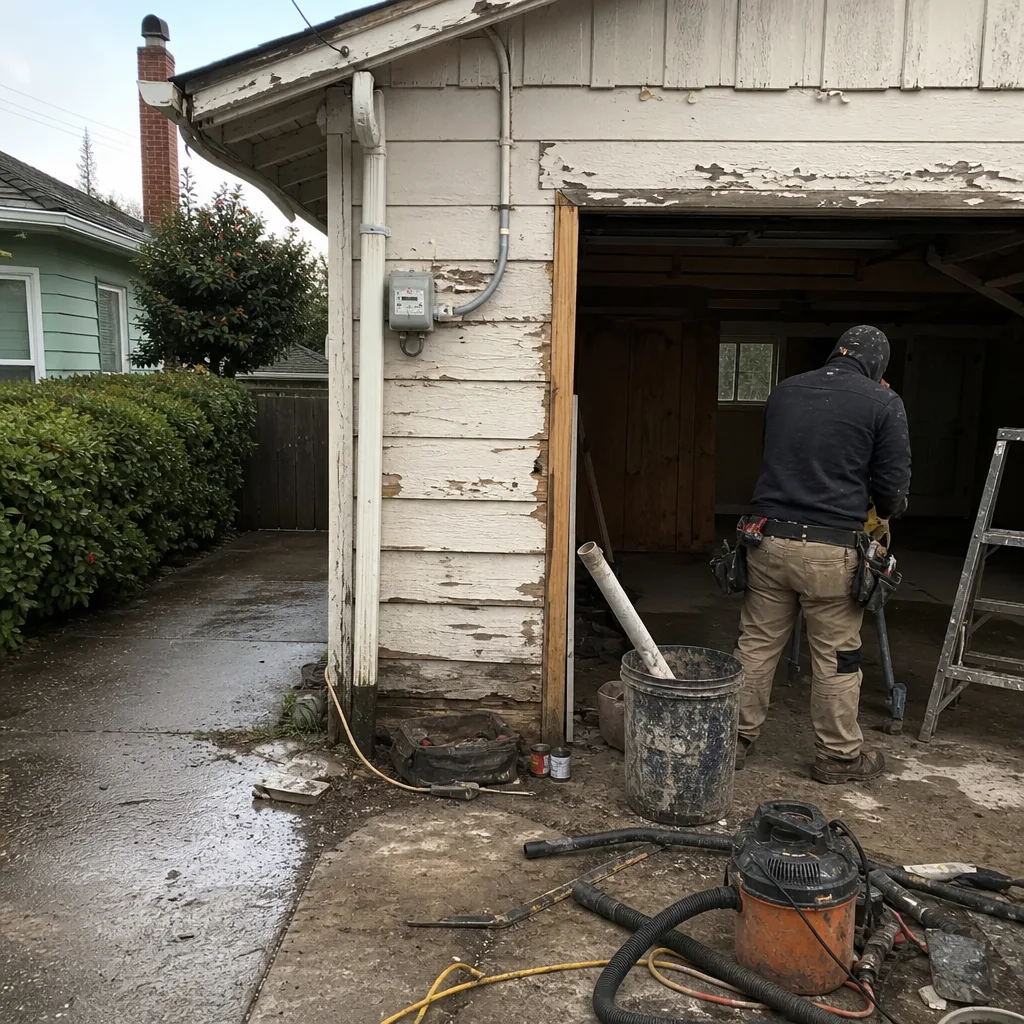 Before
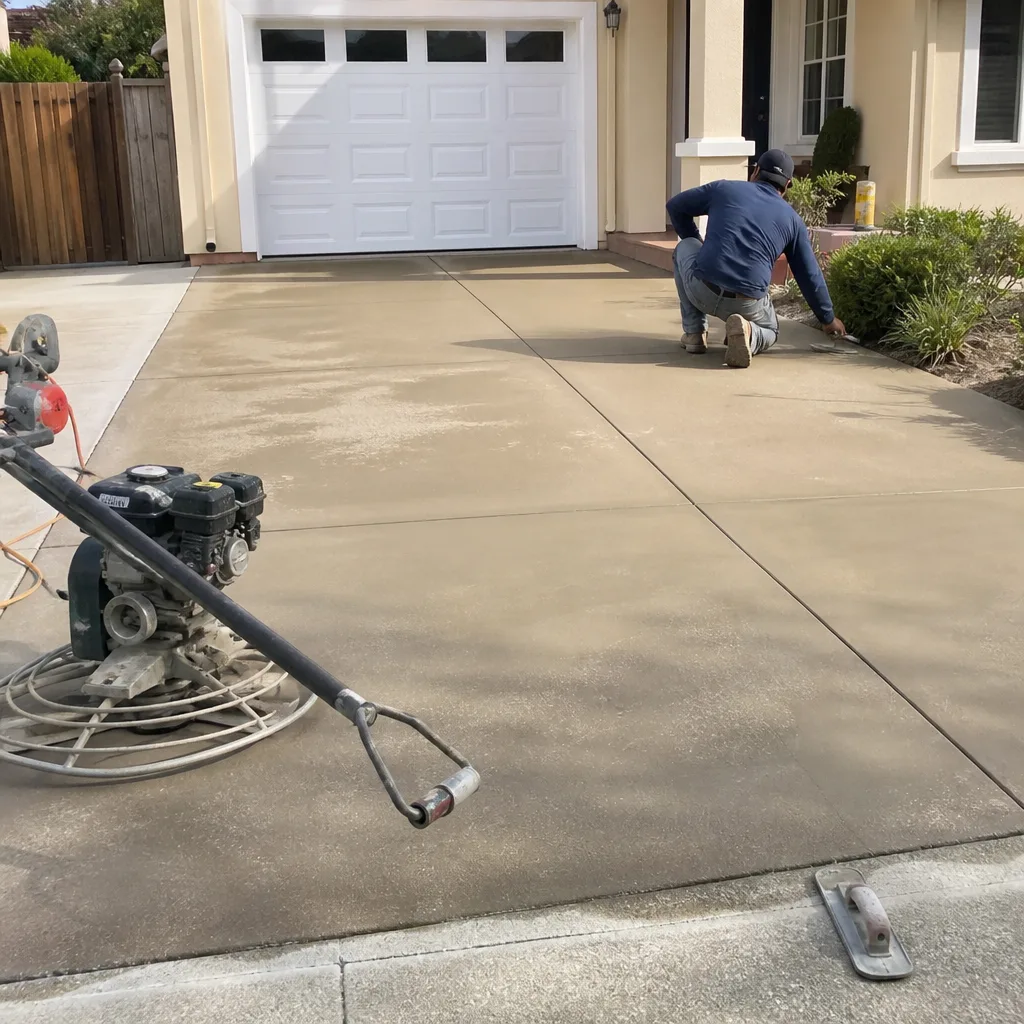 After
AfterSilestone Roofing: The Oakland Owner’s Guide
Silestone roofing systems in Oakland typically run $400-$1,800 for repairs and $8,000-$20,000 for full replacement, with most Silestone-compatible membrane and flashing components available same-day through our supplier network. We stock the critical failure points on our trucks: EPDM membrane patches, TPO seam tape rated for Silestone’s attachment geometry, and the proprietary drip-edge profile that Silestone systems use at the fascia junction. Most Oakland owners discover the problem during our dry summers when thermal expansion opens seams that winter rains then exploit, or when they spot granule accumulation in gutters that signals the Silestone wear layer is degrading faster than the substrate beneath it.
Which Silestone Models This Applies To
Silestone manufactured three distinct roofing product lines between 2001 and 2019, and the part you need depends on which generation is on your roof. The Silestone Slate-Look series, identifiable by the embossed code “SL-” followed by a four-digit date stamp on the underside of any loose tile, uses a 6-inch exposure and a hook-style fastening clip that Silestone discontinued in 2014. The Silestone Terracotta series carries a “TC-” prefix and switched from clay-composite to polymer-composite substrate in 2009, which matters because the thermal expansion coefficient changed enough that post-2009 tiles crack when mixed with earlier stock. The Silestone Flat-5 series, the commercial-grade line with the 5-degree pitch minimum, uses a completely different membrane attachment: batten-and-cap rather than direct-adhere.
We source OEM Silestone clips and membrane through our distributor in San Leandro, who maintains limited backstock of the SL-series hardware. For the Terracotta line, we use a quality aftermarket equivalent manufactured by Vande Hey Raleigh, whose polymer clip matches the Silestone geometry within 0.5 millimeter and carries the same 110-mph wind uplift rating. The gotcha we see in Oakland’s Hillside and Upper Rockridge neighborhoods: homeowners order SL-series clips based on visual similarity, not realizing the pre-2009 and post-2009 Terracotta tiles require different batten spacing, 24 inches versus 19.2 inches on center. Measure the batten spacing before you order anything. Under Clause 1 of the Haven Standard, we put the part number and installed price in writing before anyone drives to your property.
Signs Your Silestone Roofing Is Failing
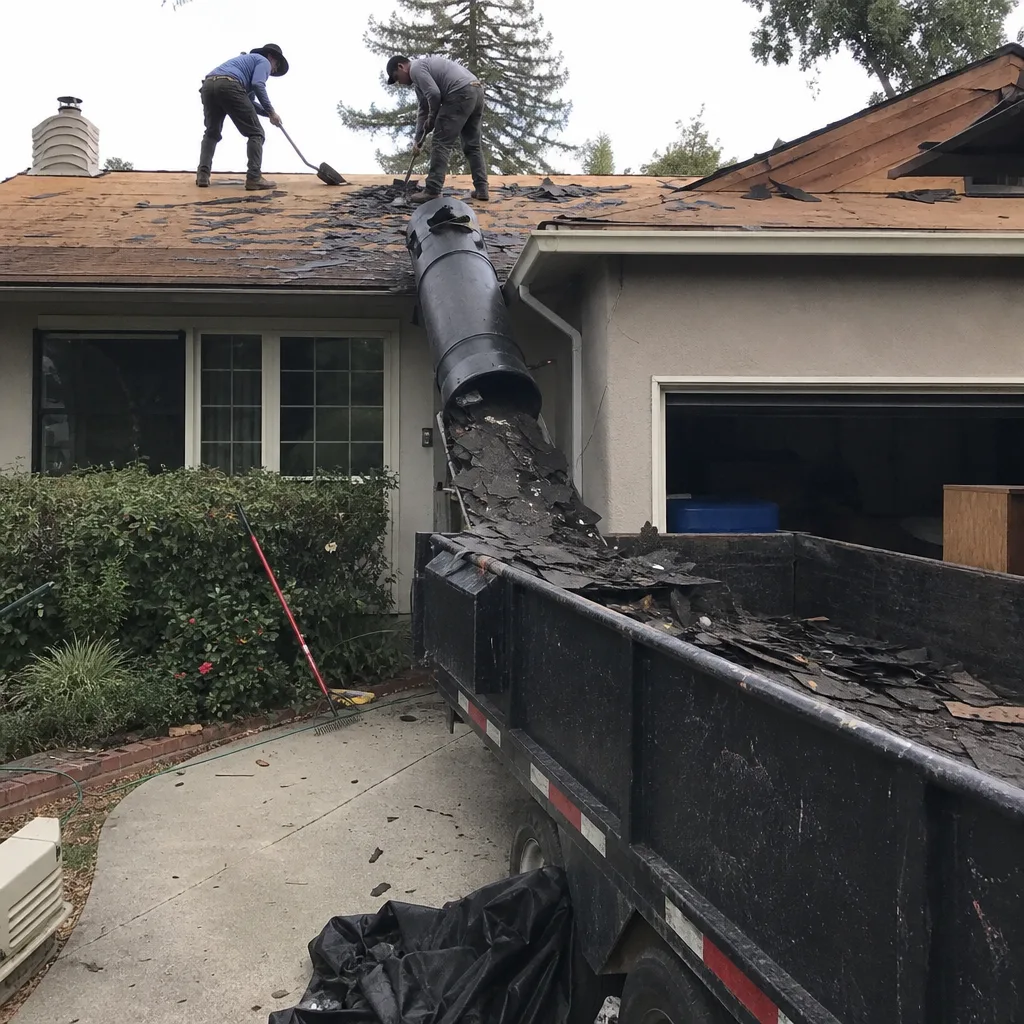
- Curved or cupped tiles at the ridge line. Silestone’s polymer composite absorbs moisture at the exposed edge over time; in Oakland’s marine-influenced climate, this shows first where wind-driven rain hits hardest. The tile lifts, the underlayment beneath it UV-degrades, and water enters the nail bed.
- Granules in gutters that match your roof color. Silestone tiles carry a mineral wear layer, typically 2 to 3 millimeters thick. When you can identify the source by color, the layer is thin enough that the UV-stabilized substrate beneath it is now exposed to direct solar radiation.
- Cracks radiating from the fastening point. The Silestone clip system relies on a flex zone at the tile nose. If the clip corrodes or the installer over-torqued the fastener, stress concentrates at the hook rather than distributing across the tile body. We see this frequently in Oakland’s 1920s bungalows where previous owners mixed Silestone with incompatible clip systems.
- Soft spots at the eave that feel spongy underfoot. The Silestone membrane is vapor-permeable by design, but the OSB or plywood beneath it is not. Once moisture breaches the membrane at the drip edge, the substrate delaminates before the tile above shows any visible distress.
- Daylight visible through the attic at tile intersections. Silestone’s interlock depends on a precise 2.5-inch head lap. Settling, seismic movement, or improper original installation opens this lap; in the Temescal and Laurel districts, where many Silestone roofs went on during the 2005-2007 building boom, we find head laps reduced to under 1.5 inches from thermal cycling alone.
BeforeAfterReplacement Cost & What’s Included
Rowan Construction Group Oakland is an independent service provider, not affiliated with Silestone. Our pricing for Silestone-compatible roofing work follows the ranges below, with every line item written before work begins:
| Service | Typical Range in Oakland |
|---|---|
| Single tile replacement (Silestone-compatible) | $400-$800 |
| Membrane patch, up to 10 square feet | $600-$1,200 |
| Clip hardware replacement, ridge to eave | $800-$1,800 |
| Partial Silestone roof replacement (one slope) | $4,500-$9,000 |
| Full Silestone roof replacement | $8,000-$20,000 |
What drives the range: access difficulty on Oakland’s hillside lots, whether the original Silestone membrane is salvageable, and whether the substrate beneath it has absorbed moisture. We pull permits through Oakland’s Planning and Building Department when replacement exceeds 100 square feet, which adds $250-$450 to the total but protects your resale disclosure. Every Silestone repair includes a documented photo record of the substrate condition, the specific part numbers installed, and a written 365-Day Done Right Promise. No change to the scope proceeds without a signed change order, the discipline that has kept our projects within a few percent of the written price across 4,000-plus jobs since 2007.
DIY or Call Us?
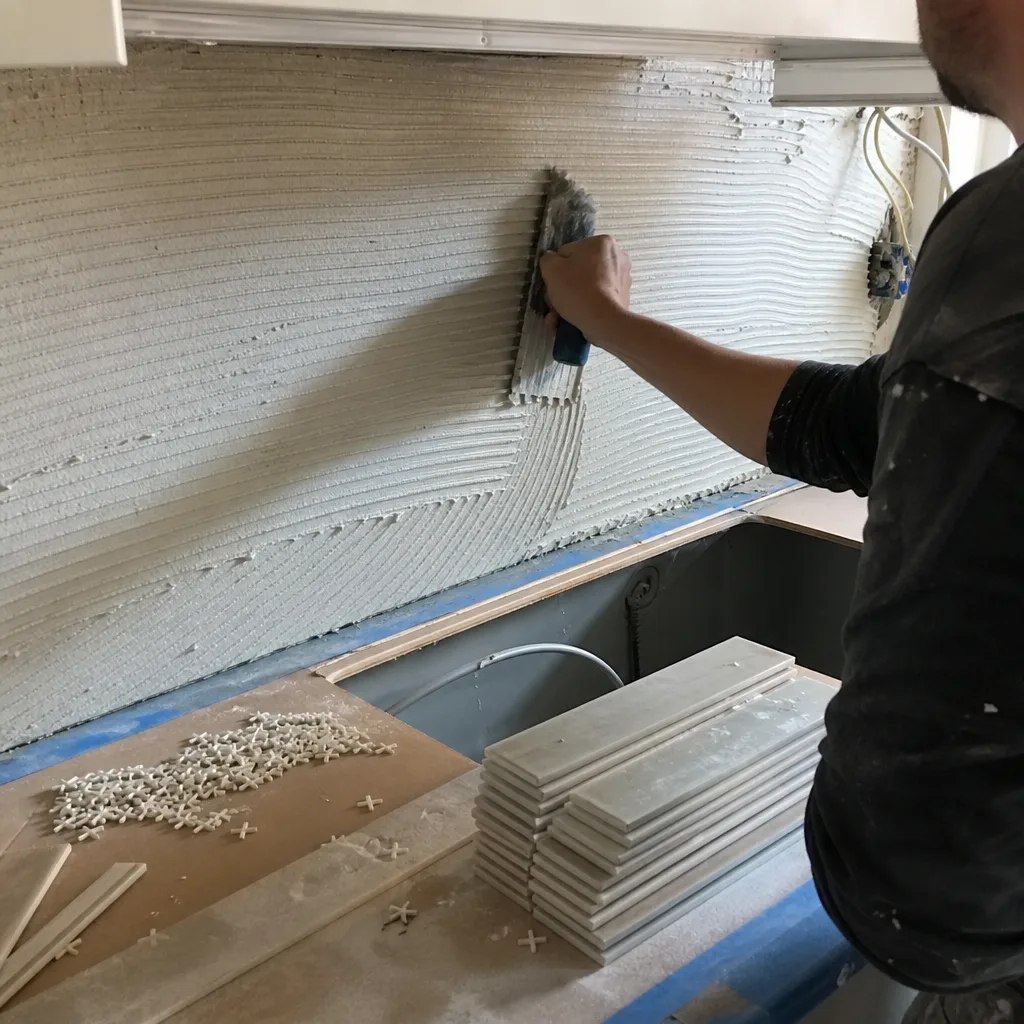
There is one thing a Silestone owner can safely check from a ladder: whether the problem is isolated to visible tile damage or extends to the membrane beneath. Lift one tile at the eave, if you can do so without forcing it, and photograph the underlayment color. Uniform black or gray suggests intact membrane; mottled staining or crumbling suggests moisture penetration that requires professional evaluation.
What goes wrong with DIY Silestone repair: the clip system requires a specific torque, 18 inch-pounds, that most homeowners gauge by feel and consistently over-tighten, cracking the tile nose. The membrane patch must extend 6 inches beyond the visible damage in all directions, a detail skipped in every DIY video we have reviewed. And walking a Silestone roof without distributing weight across multiple tiles crushes the unsupported edges. The ridge line work, where most failures concentrate, is genuinely dangerous, 15 to 25 feet above grade on typical Oakland single-story construction with a pitched surface. We carry liability and workers’ compensation insurance specifically for this exposure. Call (628) 300-4376 to schedule your free estimate, or bring a competitor’s written quote and we will review it line by line at no charge.
FAQs
The Silestone polymer-composite tile carries a 30-year material warranty, but in Oakland’s climate the practical lifespan is 18 to 25 years. The marine layer accelerates UV degradation at the exposed edges, and the thermal swing between our 45-degree winter nights and 75-degree summer days opens seams faster than in inland climates. Call (628) 300-4376 for an exact assessment of your roof’s remaining service life, estimates are free.
Repairs are viable when the failure is localized to under 15 percent of the roof area and the membrane beneath is intact. We have completed Silestone repairs in the Maxwell Park and Glenview neighborhoods where a single slope failed from tree abrasion while the remaining roof showed 10-plus years of life. When the membrane is compromised across multiple slopes or the clip system is corroded throughout, replacement is the honest recommendation. Call (628) 300-4376 and we will show you the photo evidence before quoting either option.
Single-tile replacement takes two to four hours, including substrate inspection and photo documentation. A full slope replacement, typically 300 to 500 square feet on an Oakland bungalow, requires two to three working days with permit inspection scheduled. We do not promise same-day completion on planned roofing work, the scope deserves proper curing time for membrane adhesive and flashing sealant. Call (628) 300-4376 to schedule your free estimate and we will give you a written timeline with the price.
We stock Silestone-compatible clips, membrane patch material, and the proprietary drip-edge profile on our Oakland service trucks. The specific tile color match requires a sample photo or physical piece; our San Leandro distributor maintains backstock of the eight most common Silestone colorways, with special orders arriving in three to five business days. Call (628) 300-4376 and we will confirm availability for your specific model and color before scheduling.
Measure twice, document everything, then build. That is how we have operated since Grant Rowan founded Rowan Construction Group in 2007, and it is how we handle every Silestone roofing evaluation in Oakland, from Fruitvale to Montclair. We also stock parts for KraftMaid cabinets, Cambria countertops, and Kohler fixtures, the same sourcing discipline applied across fifty-plus vetted brands.
Written by Grant Rowan, Owner, Rowan Construction Group Oakland at Rowan Construction Group Oakland, serving Oakland and nearby areas.