
Free written scope consultation - allowances, timeline, and change-order rules on paper before a single trade is scheduled
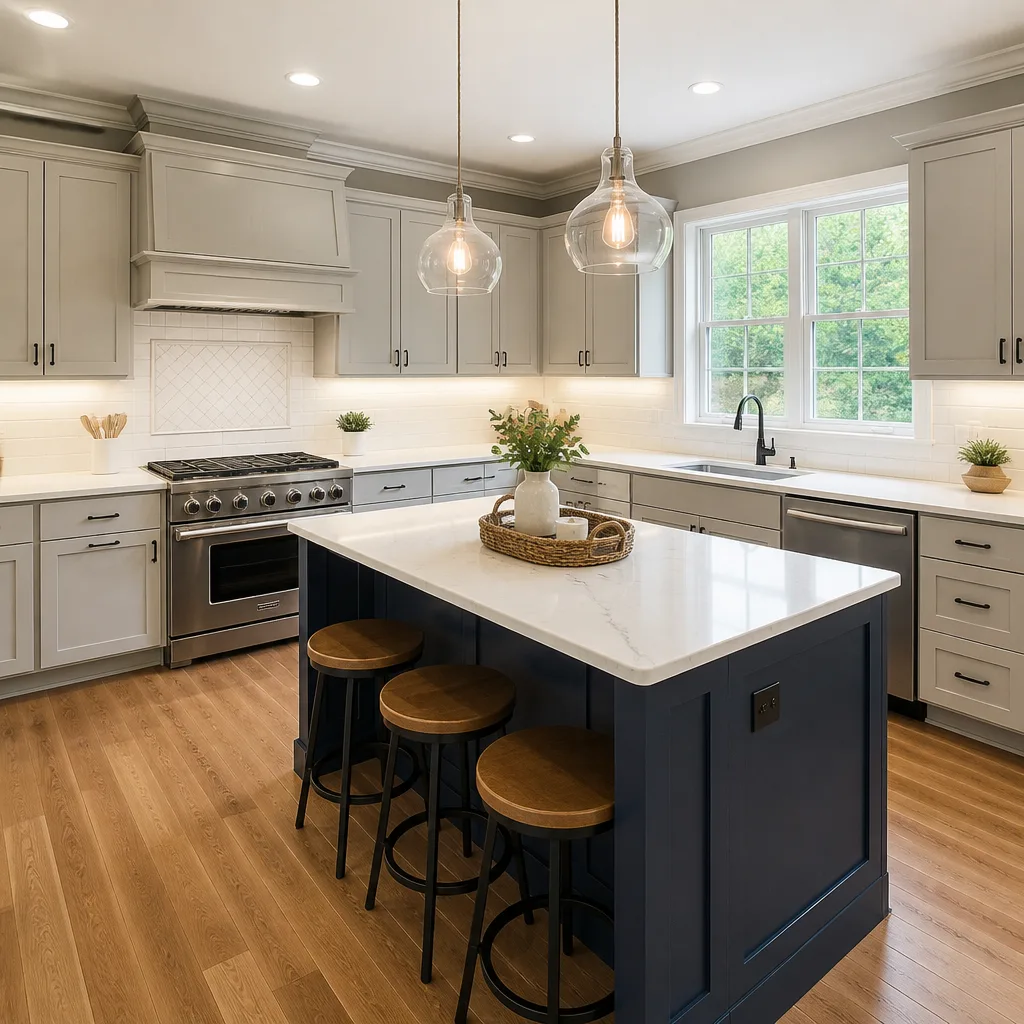
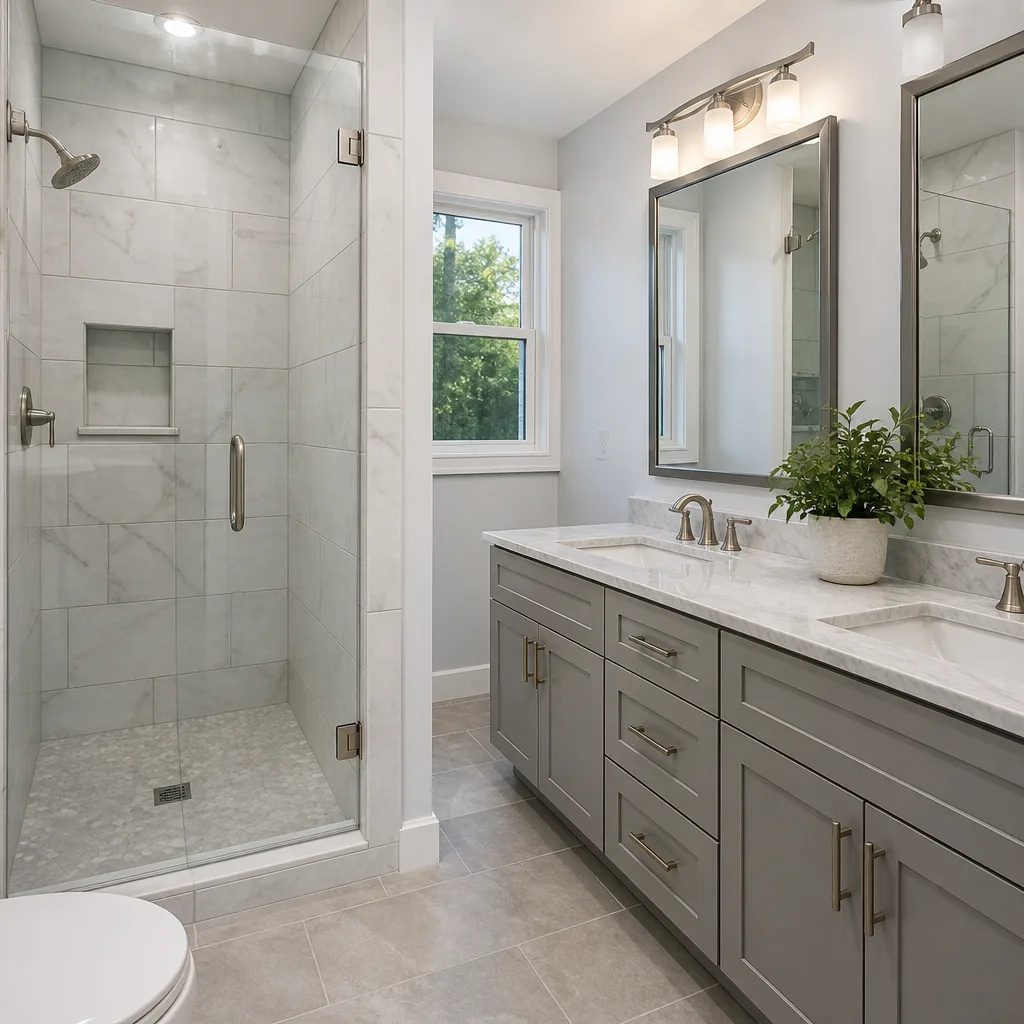
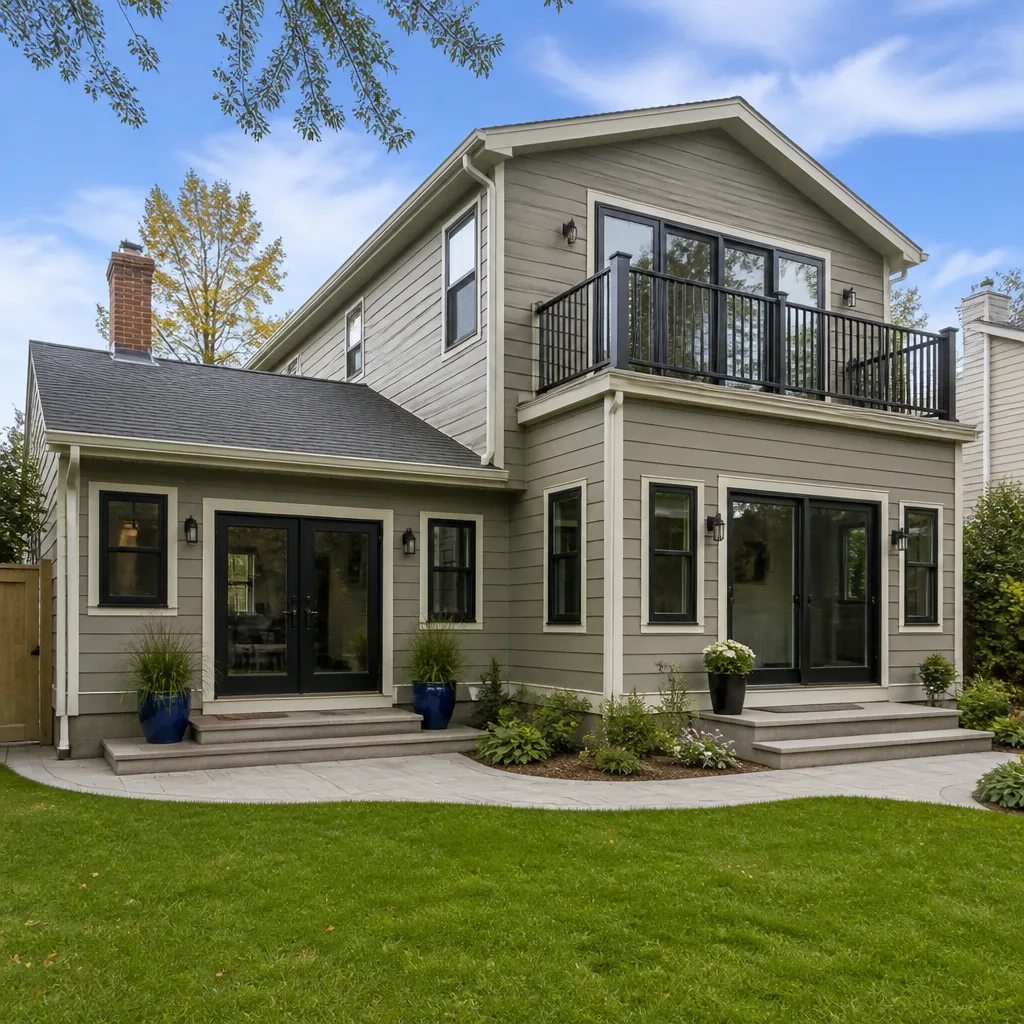
 Before
 After
After Before
 After
AfterPlant Prefab Home Additions & ADU: The Oakland Owner’s Guide
We stock and install Plant Prefab-compatible structural connection hardware, weather-sealing systems, and MEP rough-in components for home additions and ADUs in Oakland, with typical installed repair or replacement costs running $450 to $3,800 depending on the system. Most Plant Prefab addition and ADU issues we see involve failed seismic connection brackets, compromised weather barriers at module joints, or leaking plumbing manifolds where the factory stub meets the site-built extension. Our crews carry the common Plant Prefab bracket sizes and sealant profiles on the truck, and we can usually inspect and quote same-day for standard items.
Most Oakland homeowners discover a problem when they spot water staining at the ceiling line where the Plant Prefab module meets the existing structure, feel cold drafts along the module joint in winter, or notice a soft spot in the subfloor near the mechanical chase. In the hills above Piedmont and Montclair, we also see thermal expansion stress on connection hardware that flatland properties don’t experience, because the temperature swing between foggy mornings and afternoon sun can hit 35 degrees in a single July day.
Which Plant Prefab Models This Applies To
Plant Prefab’s current home addition and ADU lines, including the LivingHome 10 and LivingHome 11 series, use standardized connection systems that differ from their full custom home program. The additions and ADUs ship with pre-installed seismic brackets at the module-to-module and module-to-existing-structure connection points, typically Simpson Strong-Tie S/H series or equivalent proprietary Plant Prefab-branded brackets with a 3/4-inch bolt pattern on 16-inch centers. The weather-sealing detail relies on a factory-applied fluid-applied membrane (Henry Blueskin or equivalent) plus a site-installed backer rod and sealant joint that must accommodate 1/4-inch design movement.
To identify your exact hardware, check the stamped metal tag on the bracket face, visible in the crawl space or basement where the module sits on the foundation. The tag lists the Plant Prefab lot number and the bracket model, usually a four-digit code starting with 2 or 3 for ADU and addition products. For the sealant system, the factory membrane is gray or white depending on production year, pre-2020 units used gray, 2020 and later use white with a printed grid pattern for thickness verification. We stock both the OEM Plant Prefab bracket kits and, where the OEM lead time stretches past three weeks, Simpson Strong-Tie direct equivalents that meet the same ICC-ESR report criteria. The aftermarket brackets save roughly 15 percent on material cost and carry the same structural rating, though we always confirm the lot-specific bolt pattern before ordering, because Plant Prefab shifted from 5/8-inch to 3/4-inch bolts in late 2019 and mismatched hardware is the most common ordering error we correct in the field.
Signs Your Plant Prefab Home Addition or ADU Is Failing
- Water stains at the module joint ceiling line. The factory membrane cracked at the transition to site-built framing, or the backer rod compressed and the sealant joint lost adhesion. In Oakland’s salt-air microclimate near the estuary, we see this accelerate, the membrane degrades faster than inland because the marine layer carries chloride that attacks the acrylic adhesive.
- Cold drafts along baseboards in the module joint wall. The continuous insulation layer, usually Rockwool Comfortboard or equivalent, settled or was displaced during installation, creating a thermal bypass. We find this most often in additions built during the 2018-2020 rush when crews were scarce and some installations skipped the specified compression fit.
- Soft or bouncy subfloor near the mechanical chase. The seismic bracket loosened, or the sill plate anchor bolt backed off, allowing the module to shift slightly on its foundation. This is not cosmetic, a moving module stresses the plumbing manifold and electrical conduit at the penetration point, which is where the real damage compounds.
- Musty odor in the crawl space with no visible leak. The vapor barrier at the module perimeter, a 10-mil polyethylene skirt sealed with acoustic sealant, tore on a foundation edge or rodent entry point. Oakland’s hillside properties with expansive clay soils see this when seasonal soil movement abrades the skirt against the concrete stem wall.
- Doors or windows in the addition binding or sticking seasonally. The module is moving on its connections beyond the design tolerance, usually from failed hold-down brackets or inadequate anchor embedment in the foundation. The gap opens and closes with temperature, and the trim cracks first, then the drywall, then the weather seal.
BeforeAfterReplacement Cost & What’s Included
For Oakland properties, our installed pricing for Plant Prefab addition and ADU repairs runs as follows:
| Service | Typical Range |
|---|---|
| Seismic bracket replacement (single module, 4-6 brackets) | $1,200 - $2,800 |
| Weather barrier repair at module joint (interior access) | $450 - $1,100 |
| Weather barrier repair (exterior scaffold required) | $1,800 - $3,800 |
| Plumbing manifold replacement at module penetration | $890 - $1,950 |
| Vapor barrier skirt repair (crawl space) | $650 - $1,400 |
| Full connection inspection with photo documentation | $350 - $550 |
The range depends on access, height, and whether we need to match discontinued hardware. Every quote is a flat written price with line-item scope before work starts, under Clause 1 of the Haven Standard. We pull permits when the repair touches structural or weather barrier continuity, which is most of these jobs, and we include the documented photo record of before, during, and after as standard deliverable. The 365-Day Done Right Promise covers all Plant Prefab repair work, if the joint leaks or the bracket loosens, we return and make it right at no charge.
DIY or Call Us?
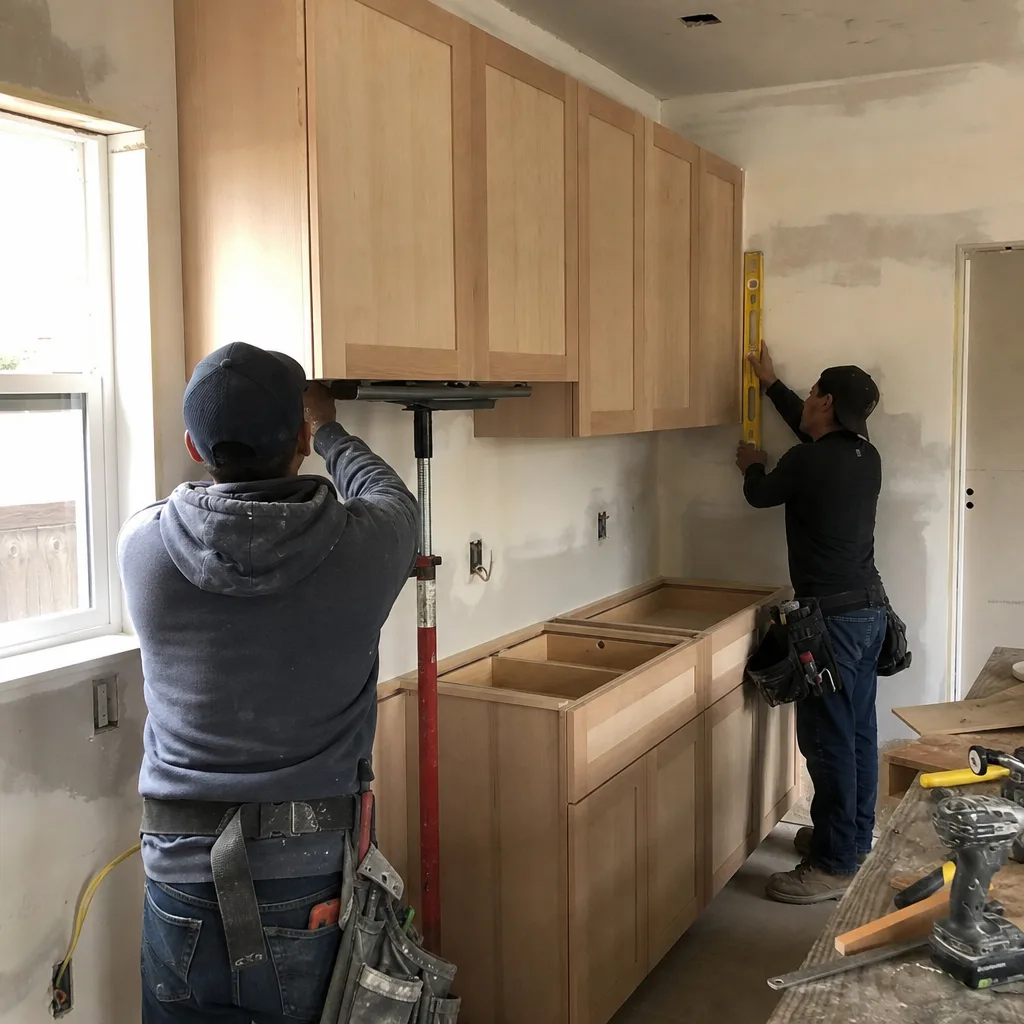
An owner can safely check the bracket tag location and read the model number, photograph any stains or cracks for documentation, and verify whether the crawl space access is clear. Do not torque or remove seismic bracket bolts yourself, these are tensioned to a specific value with a calibrated wrench, and an undertorqued bolt fails in the next earthquake, an overtorqued bolt strips the embedment. The weather barrier repair looks simple but requires compatible materials, the wrong sealant chemistry against the factory membrane causes adhesive failure in six months, and we’ve had to strip and redo too many homeowner attempts in Maxwell Park and Redwood Heights.
Call (628) 300-4376 and we’ll walk through what you’re seeing, schedule a same-day inspection if the situation is open to weather, and deliver a written flat price before any work proceeds. Free Second Opinion on any competitor’s written estimate if you want comparison.
FAQs
How long should Plant Prefab connection hardware last in Oakland?
Properly installed seismic brackets and hold-downs should last 50-plus years, the steel is galvanized and the embedment is protected. We see premature failure at 8-15 years when the foundation contractor used the wrong epoxy system for the anchor bolts, or when the module installer skipped the specified washer stack and the bolt worked loose under cyclic loading. Oakland’s seismic activity, even minor tremors, tests connections continuously. Call (628) 300-4376 for an inspection if your addition is past year ten with no documented check.
Can the weather barrier be patched, or does the whole joint need replacement?
Patching works if the damage is under 12 linear inches and the surrounding membrane is fully adhered with no bubbling or cracking. We cut back to sound material, feather the new fluid-applied layer with the correct primer, and verify with a flood test. Damage beyond that, or membrane older than 2019 with the gray formulation, we recommend full joint replacement because the old adhesive layer has degraded past reliable bonding. Estimates are free, call (628) 300-4376 to schedule.
How long does a typical bracket or barrier replacement take?
Single bracket replacement is usually one day, weather barrier repair is one to two days depending on cure time for the fluid-applied system, and full joint replacement runs two to three days. We don’t proceed to the next phase until the previous passes inspection, which is why our projects finish within a few percent of the agreed price, no surprises from rework. Call (628) 300-4376 for scheduling.
Do you stock Plant Prefab parts, or is there a wait?
We stock the common bracket sizes, sealant profiles, and vapor barrier materials on our Oakland warehouse shelves. Plant Prefab-specific hardware with a lot-number restriction may need three to five business days if the factory has shifted to a newer series, but we cross-reference to Simpson Strong-Tie equivalents that meet the same ICC-ESR criteria and can usually source those next-day. We also stock KraftMaid cabinet hardware, Cambria and Silestone seam kits, and other brand-specific parts across our seven trades. Call (628) 300-4376 with your bracket tag photo and we’ll confirm availability in minutes.
Measure twice, document everything, then build. That’s how Grant Rowan has run jobs across the East Bay since 2007, from structural retrofits in Fruitvale to full ground-up builds, and it’s why every Rowan project leaves the site with a photo record, a signed scope, and a number that holds.
Written by Grant Rowan, Owner, Rowan Construction Group Oakland at Rowan Construction Group Oakland, serving Oakland and nearby areas.