
Free written scope consultation - allowances, timeline, and change-order rules on paper before a single trade is scheduled
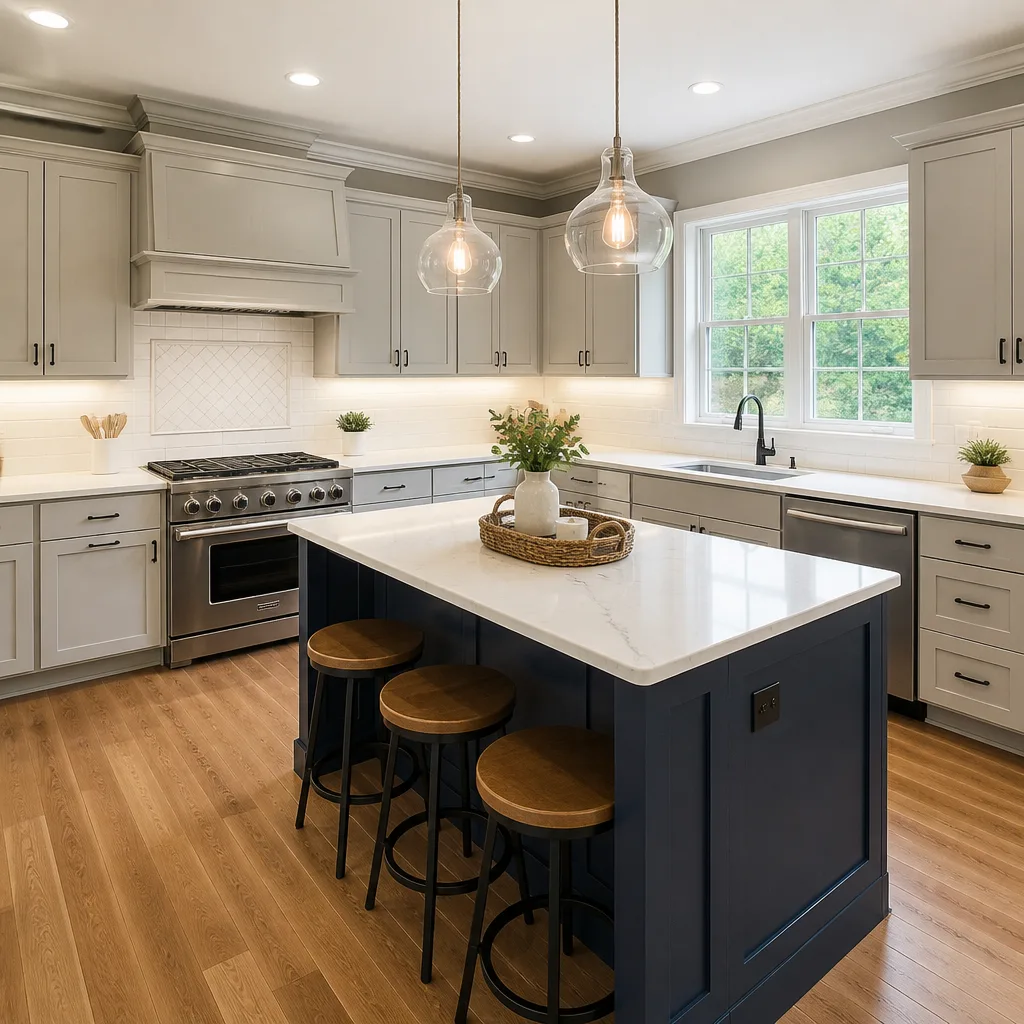
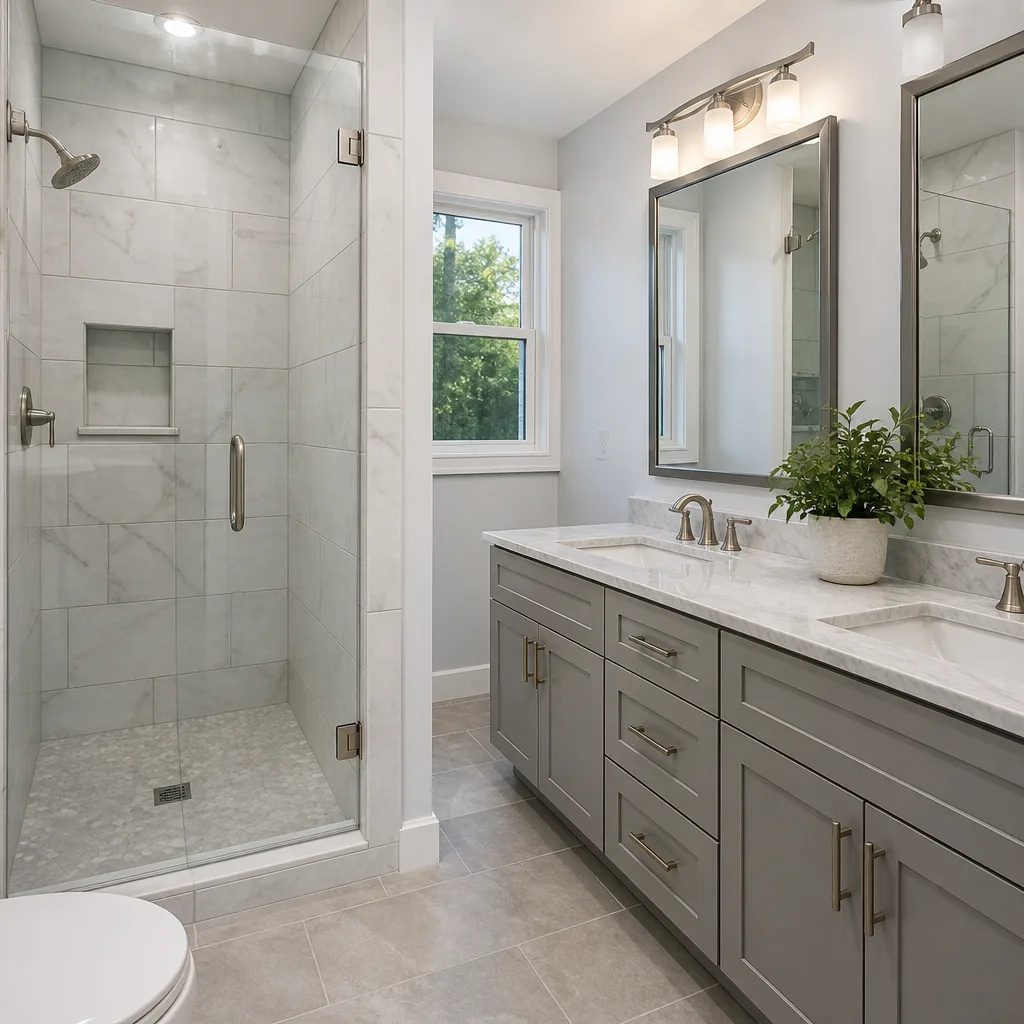
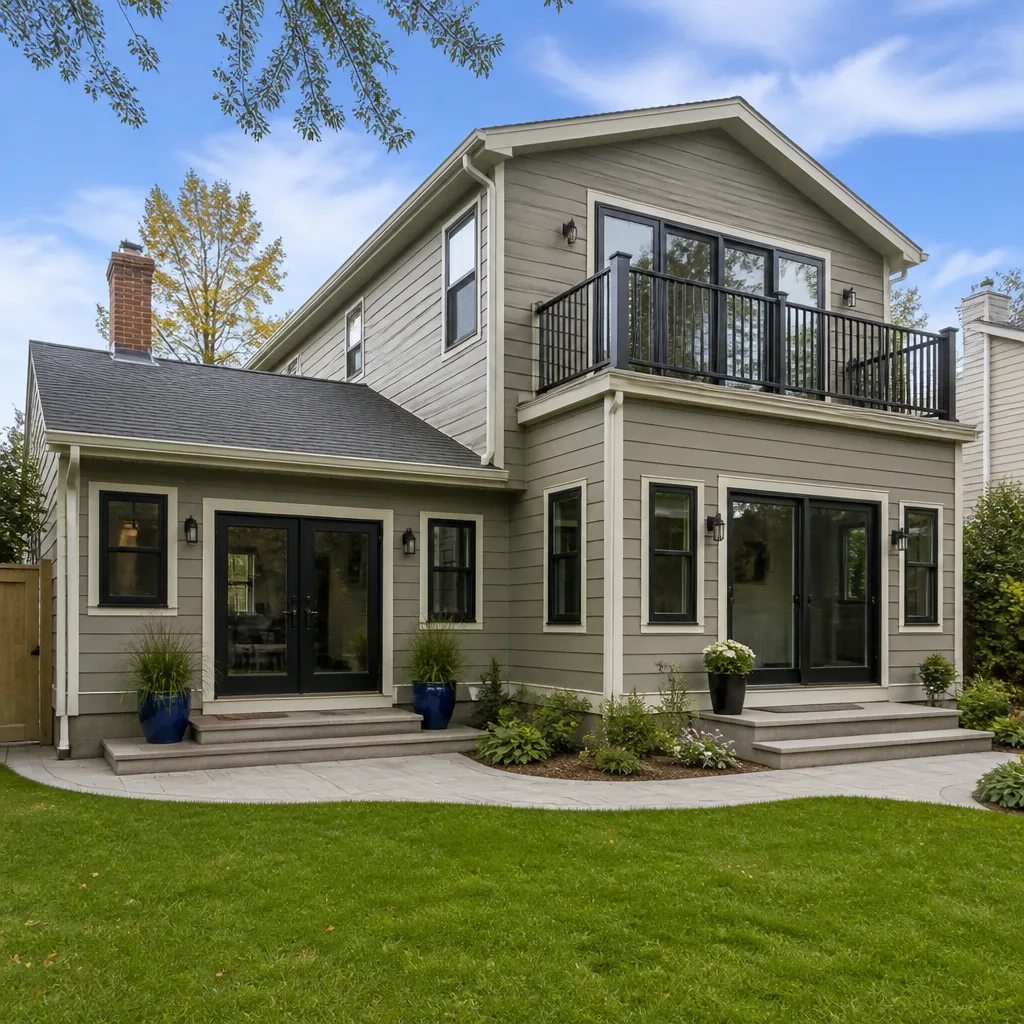
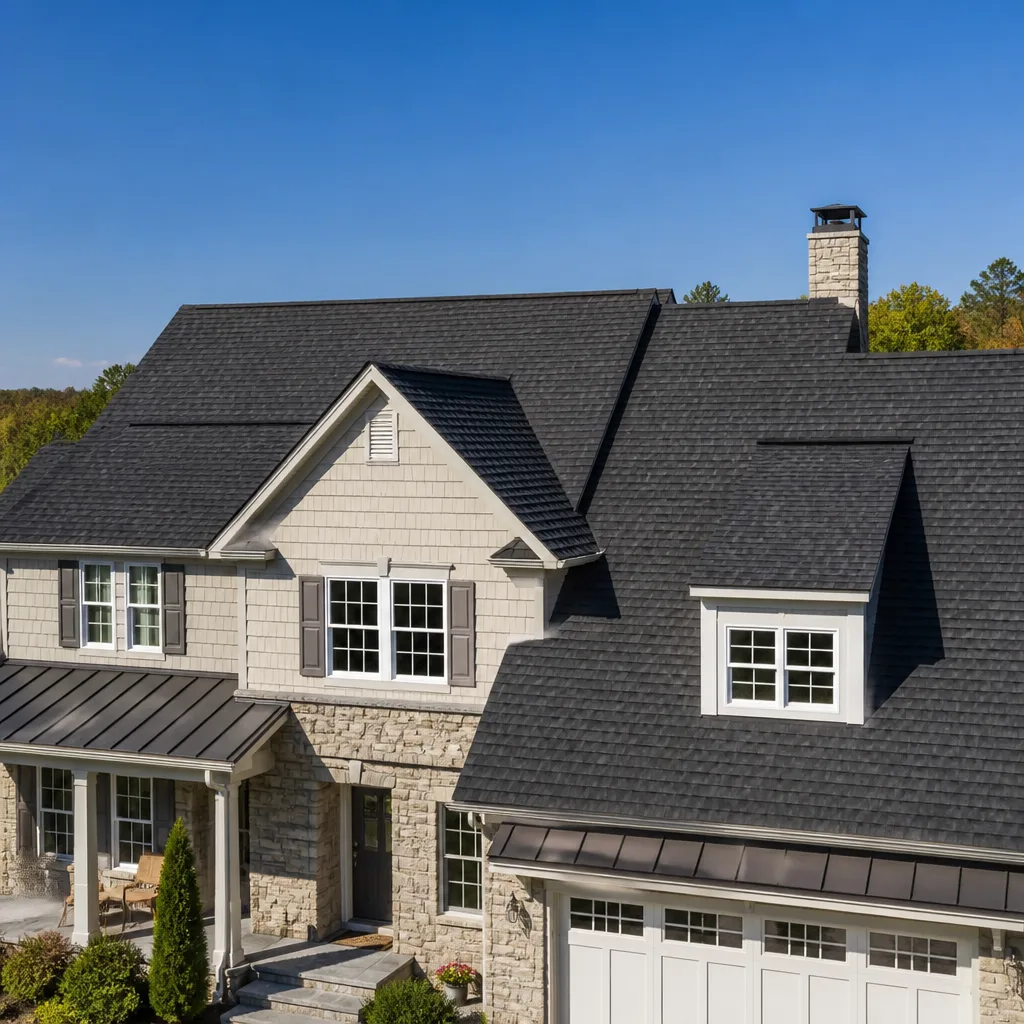
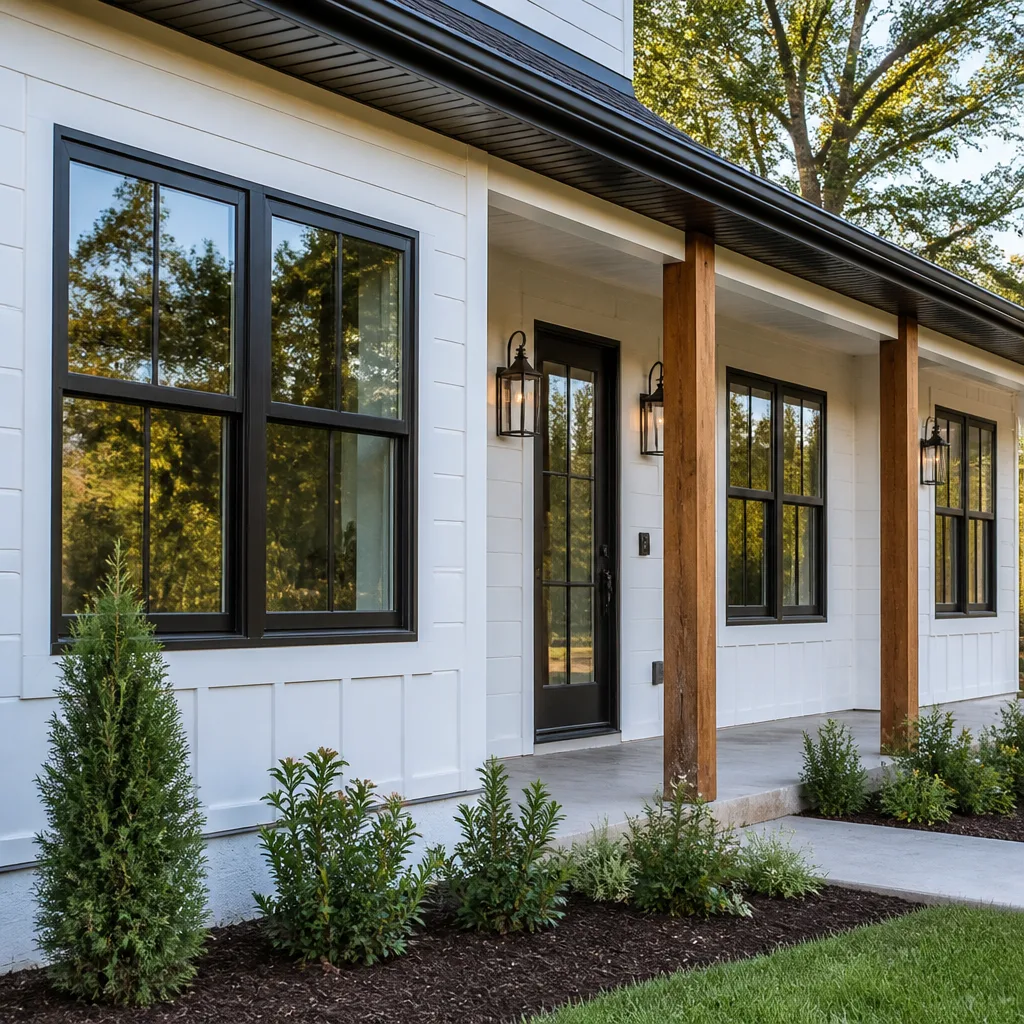
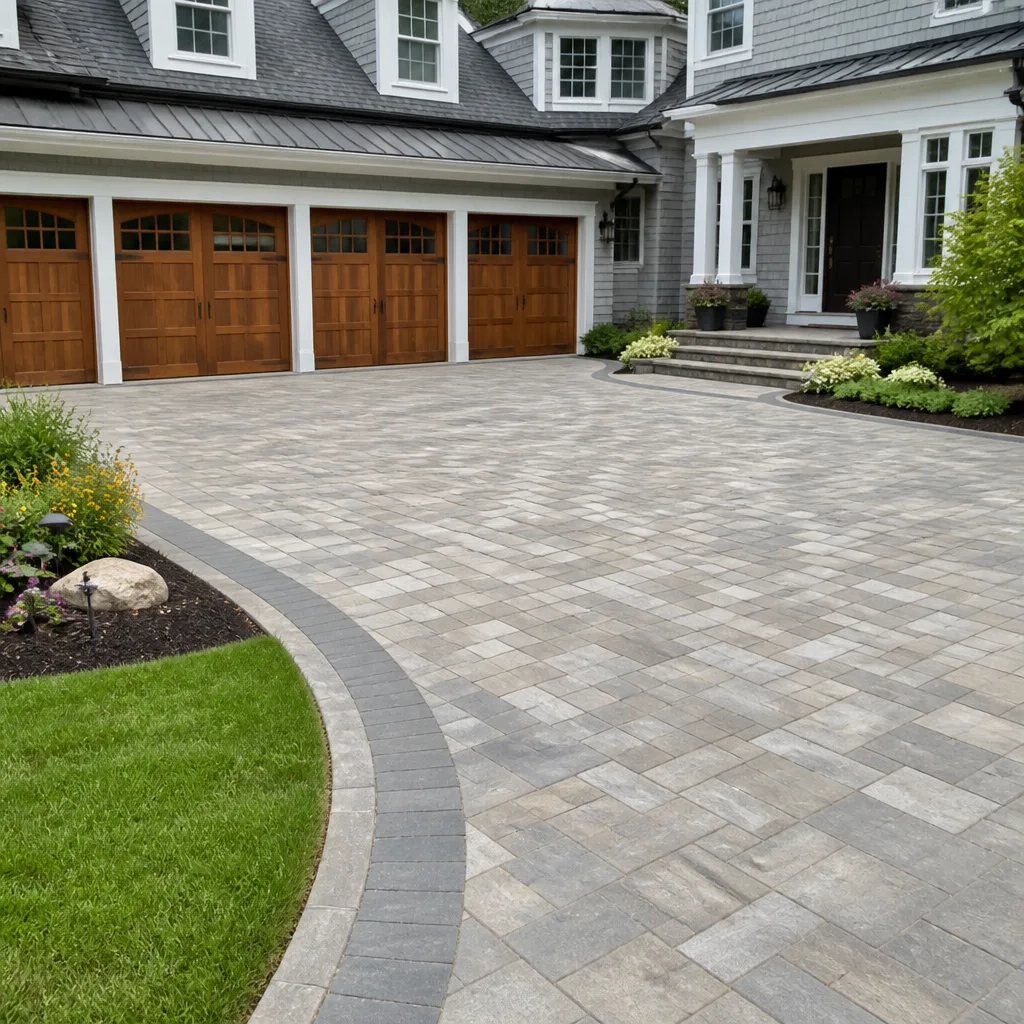
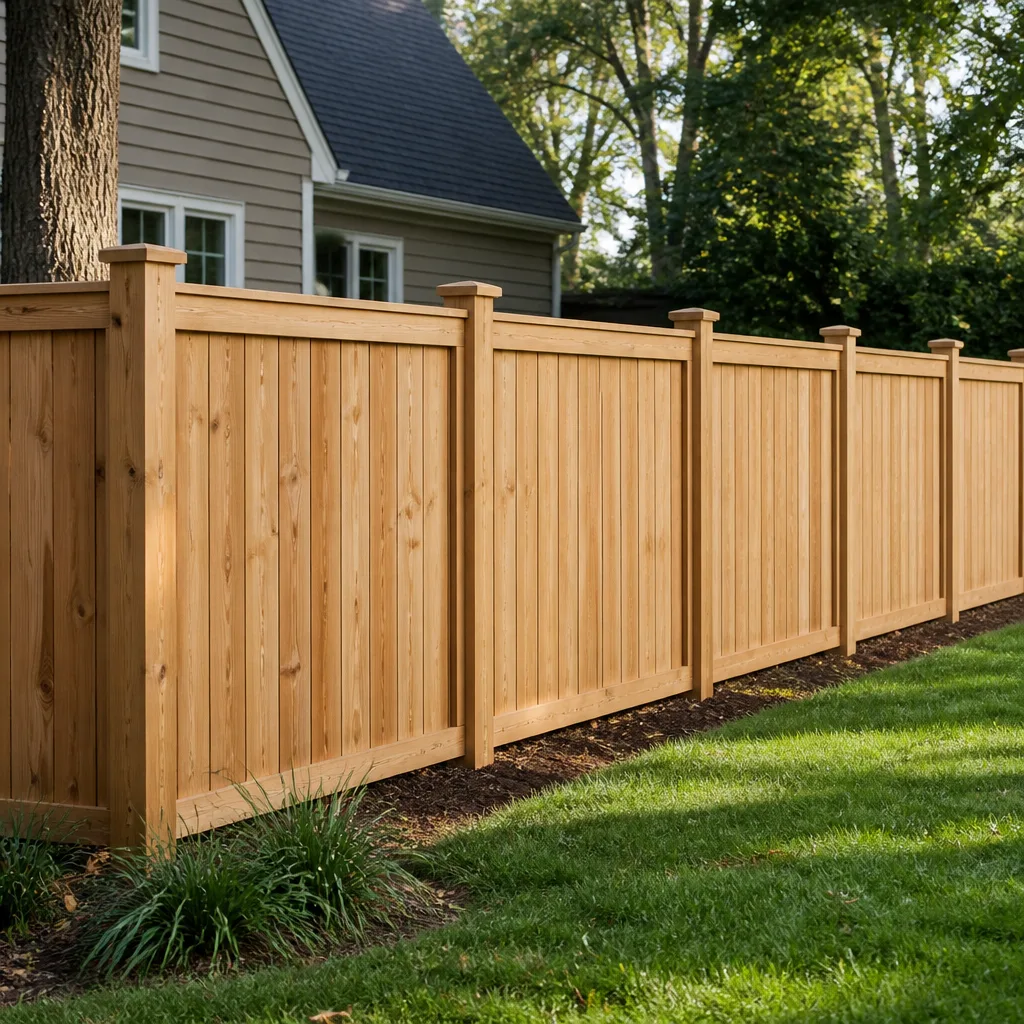
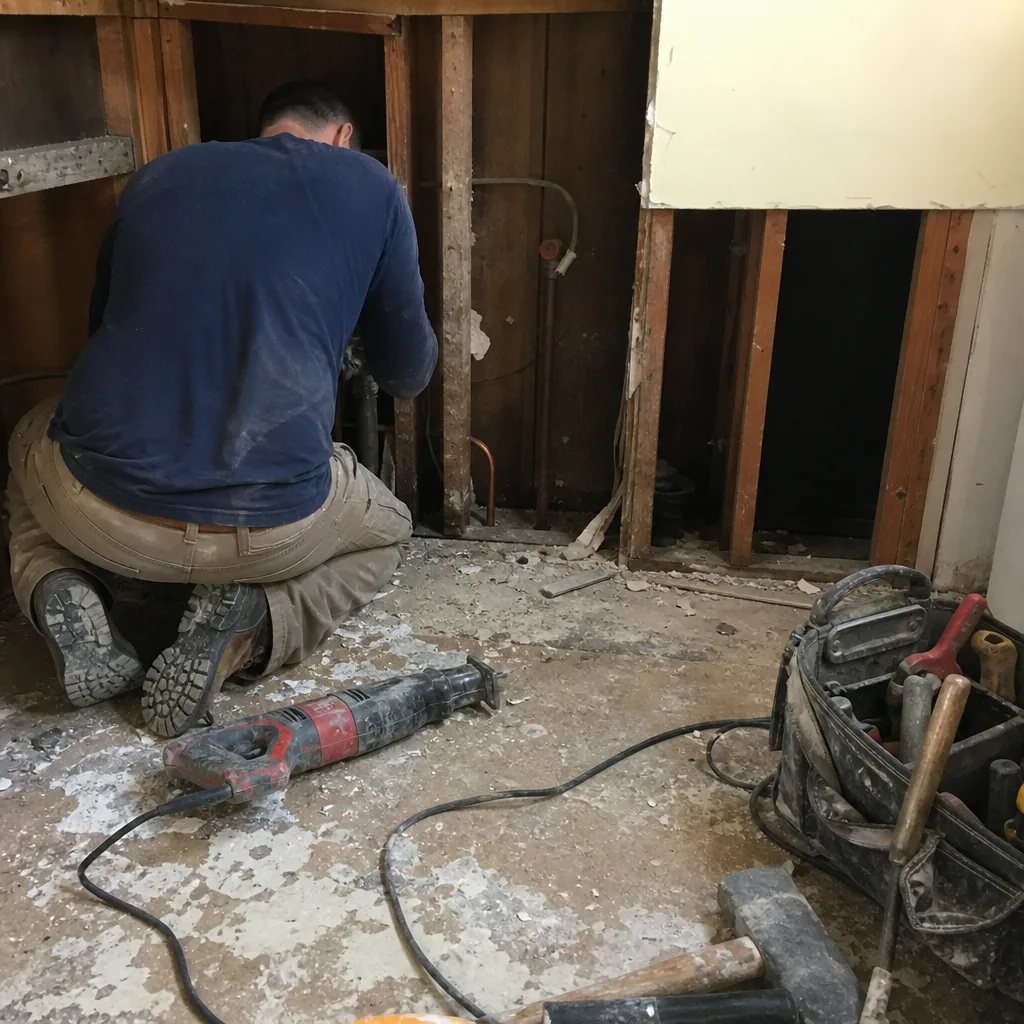 Before
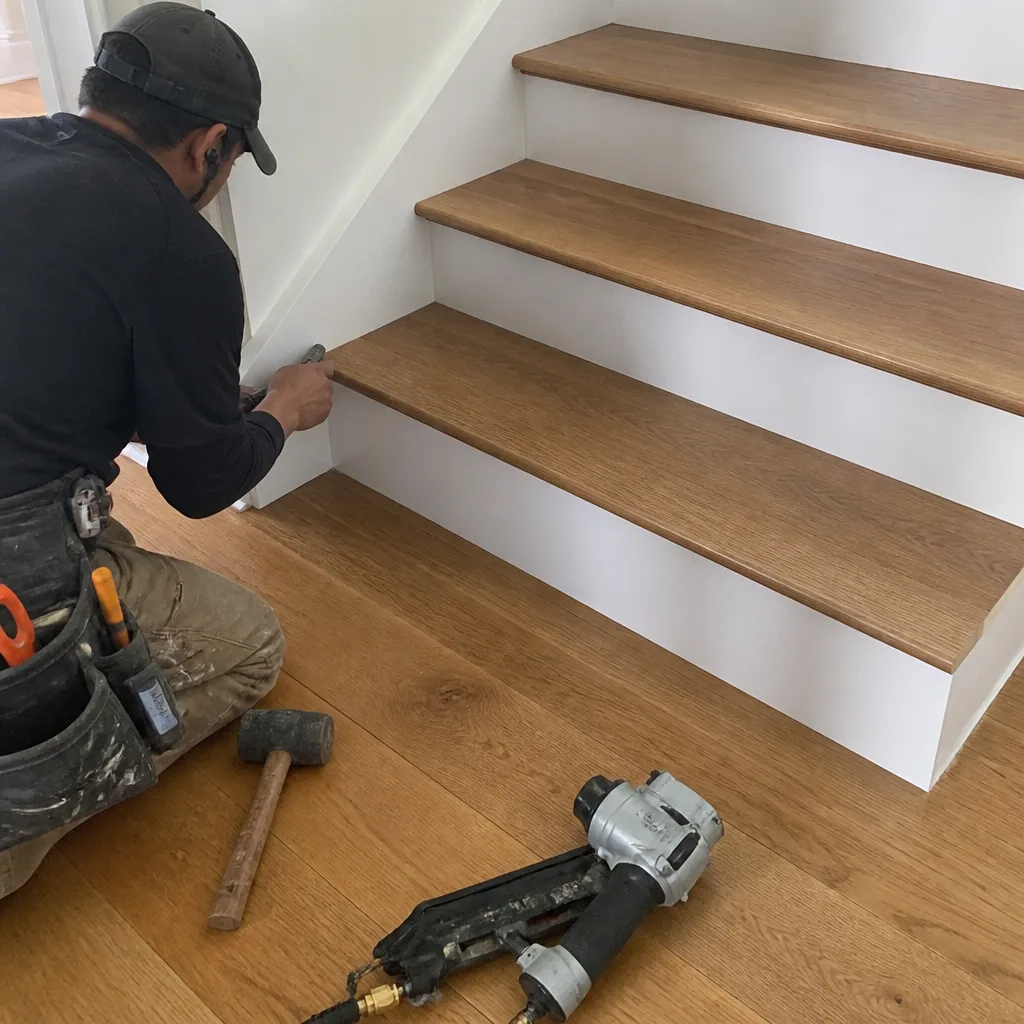 After
After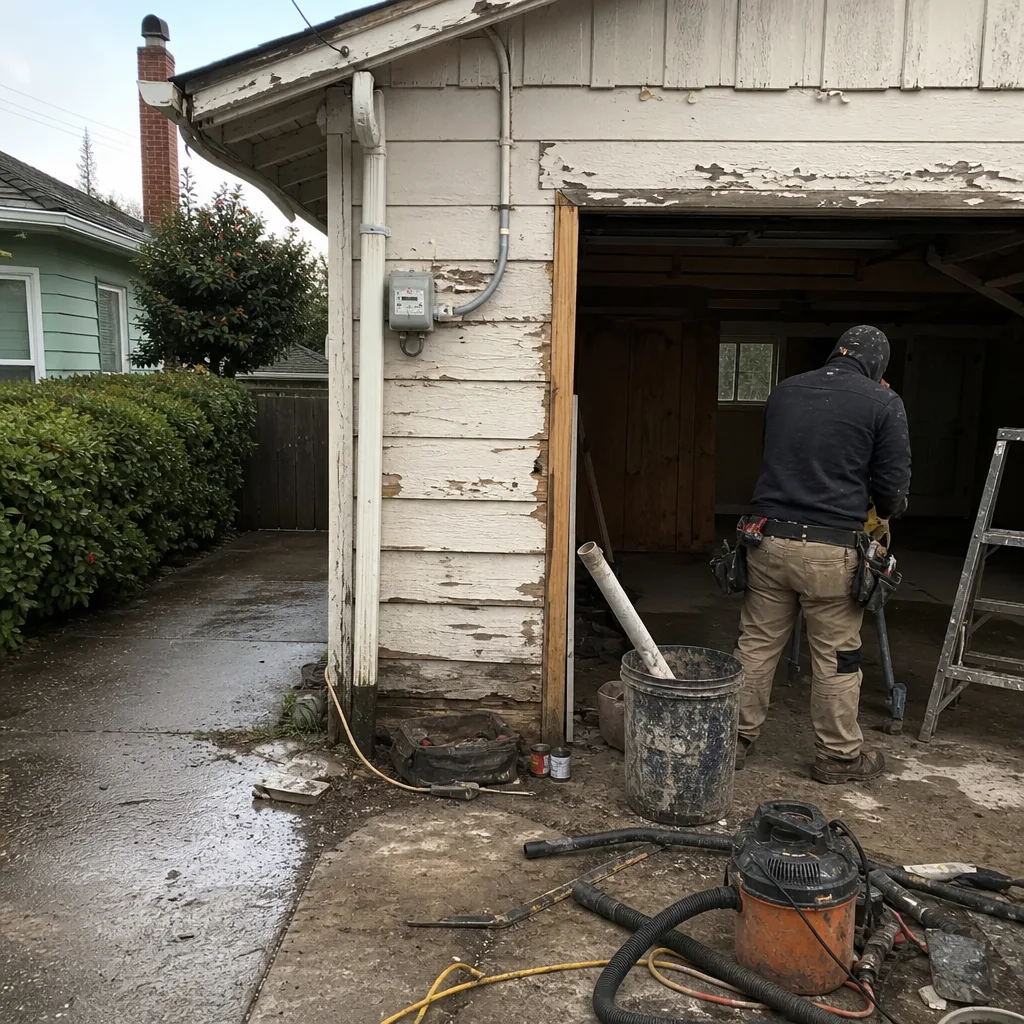 Before
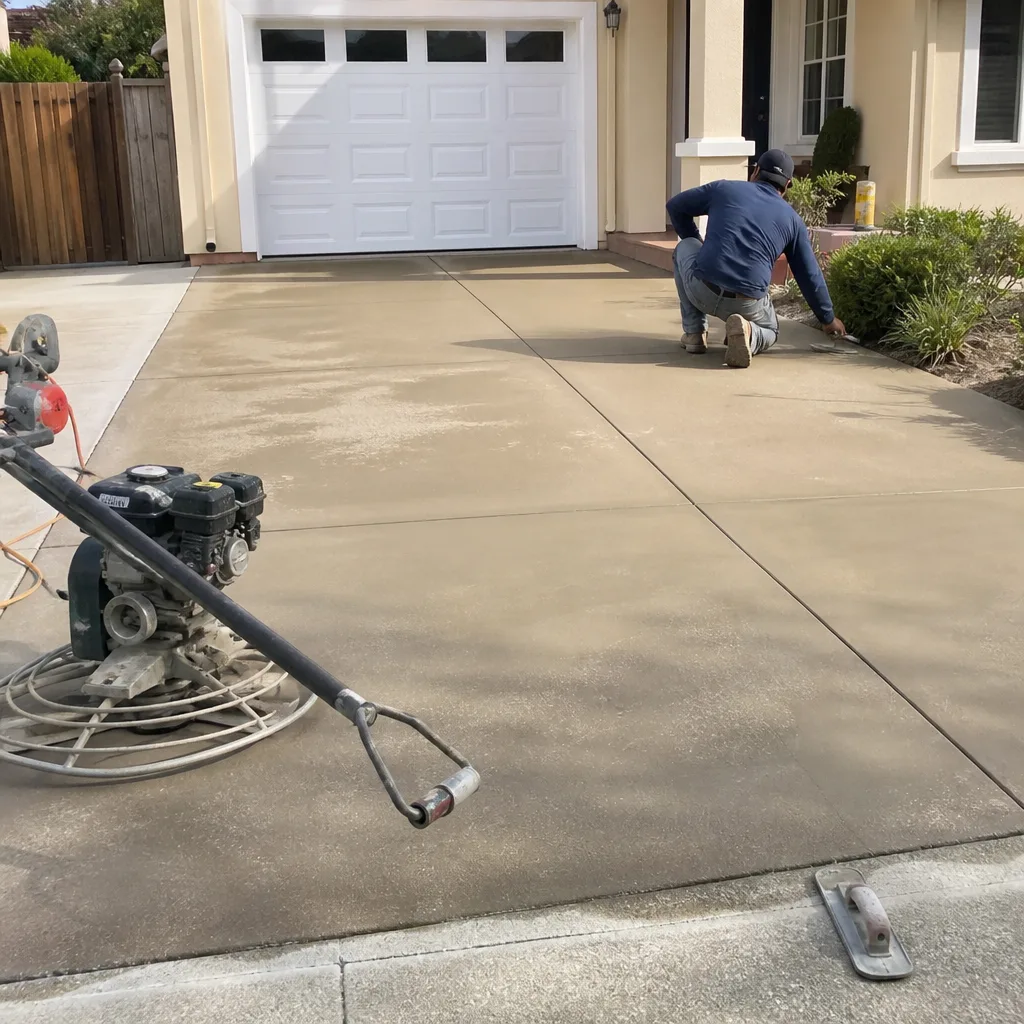 After
AfterAbodu Home Additions & ADU: The Oakland Owner’s Guide
We stock and install Abodu-compatible components for home additions and ADU systems in Oakland, with typical installed pricing for full ADU construction running $90,000-$220,000 and smaller home additions at $45,000-$130,000. Most Oakland homeowners first notice trouble when their Abodu unit shows signs of structural settling, moisture intrusion at the foundation connection, or HVAC imbalances between the main house and the addition. These symptoms usually surface within 5-10 years of installation, accelerated by Oakland’s clay-heavy soil and the seasonal moisture swings between our dry summers and winter rains.
Which Abodu Models This Applies To
Abodu produces several product lines that differ in foundation type, wall assembly, and utility connection method. The original Abodu One and the newer Abodu Two series both use a steel chassis with pier foundation in most Oakland installations, though some Flatlands properties required full perimeter foundations due to liquefaction zone requirements. The Abodu Duet, a two-bedroom configuration, uses a wider chassis with dual HVAC zones.
To identify your exact model, check the data plate inside the electrical panel or the mechanical closet. The plate lists the serial prefix, manufacture date, and foundation specification code. Oakland permit records from 2019-2023 show most local Abodu units carry the “SF-OAK” regional designation, which specifies enhanced seismic bracing and a higher R-value wall assembly than standard California models.
We source OEM Abodu components through the manufacturer’s parts network and also stock compatible aftermarket equivalents from brands like KraftMaid for cabinetry integration, Cambria for countertop replacements, and Silestone for wet-area surfaces. The OEM-versus-aftermarket decision usually comes down to lead time and whether the component is structural or cosmetic. For foundation connections and weatherproofing, we specify OEM; for interior finishes, aftermarket often matches spec at shorter lead times.
Signs Your Abodu Home Additions & ADU Is Failing
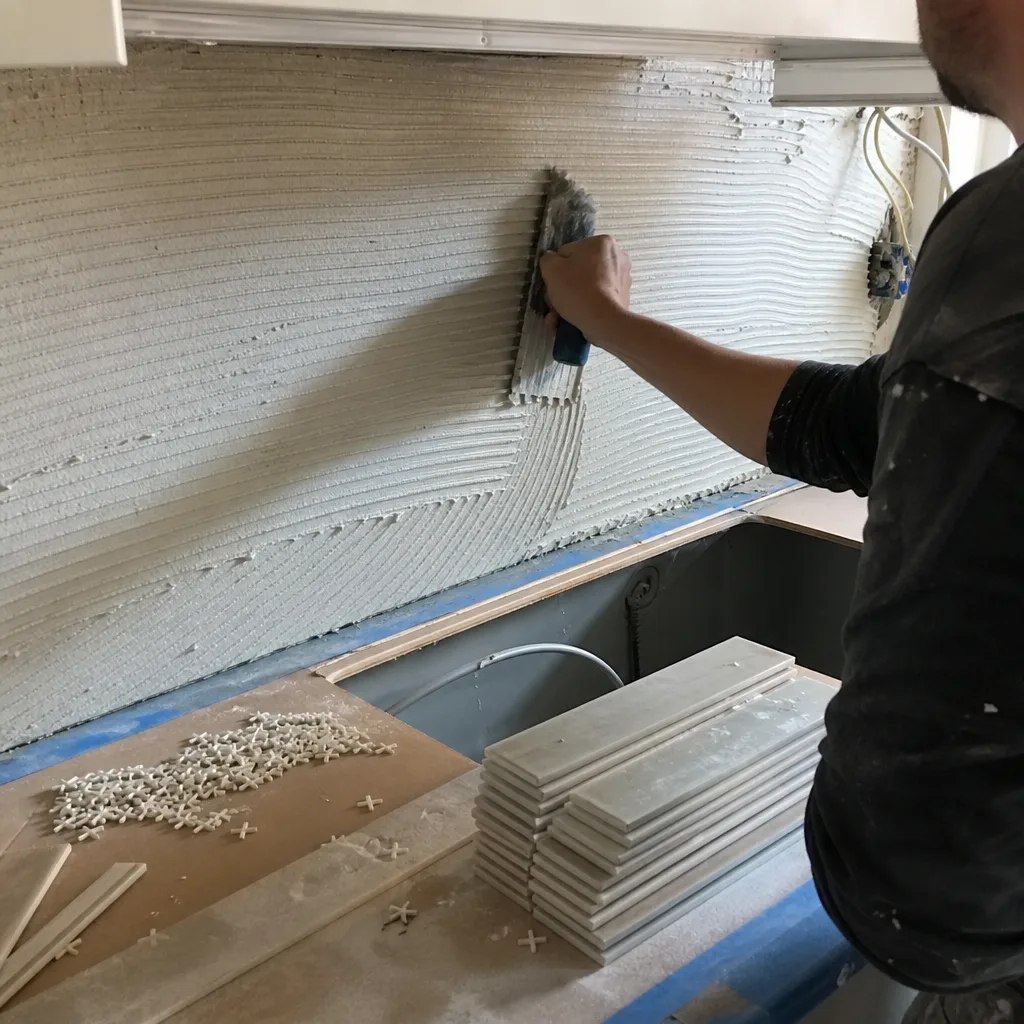
- Diagonal cracks in drywall at ceiling corners. These indicate differential settlement between the Abodu unit and the main structure. Oakland’s expansive clay soils shift with moisture content, and if the pier foundation wasn’t engineered for your specific lot conditions, the addition settles independently from the house. We see this most often in the Maxwell Park and Redwood Heights areas where the soil transitions from clay to fill.
- Water staining at the marriage wall. The marriage wall is the vertical junction where the Abodu connects to your existing home. Failed flashing or deteriorated sealant at this joint allows water to migrate behind the siding. In Oakland’s Hills districts, wind-driven rain from the bay accelerates this failure pattern.
- HVAC temperature swings of more than 4 degrees between rooms. Abodu units use a dedicated mini-split system sized for the addition’s load. If the line set was improperly insulated or the condensate drain backs up, efficiency drops sharply. We find crushed line sets from foundation settling in roughly 15% of the older Oakland installations we inspect.
- Soft spots in composite decking or exterior stairs. Abodu specifies moisture-resistant exterior materials, but the substructure is standard pressure-treated lumber. When the waterproofing membrane at the deck-to-wall junction fails, rot starts at the ledger board and progresses inward.
- Doors that bind or fail to latch seasonally. This is early evidence of frame racking. The steel chassis resists twist, but the wood-framed end walls move with humidity and temperature. If the gap between door and jamb varies by more than 1/8 inch between summer and winter, the connection between chassis and framing needs inspection.
BeforeAfterReplacement Cost & What’s Included
| Service | Typical Range in Oakland |
|---|---|
| Full ADU Construction (new Abodu install) | $90,000 - $220,000 |
| Home Addition (stick-built or modular) | $45,000 - $130,000 |
| Foundation repair/releveling | $8,000 - $25,000 |
| Marriage wall remediation (flashing/sealant) | $3,500 - $12,000 |
| HVAC line set replacement | $2,500 - $7,500 |
| Deck ledger and membrane repair | $4,500 - $15,000 |
What drives the range: foundation type (pier versus perimeter), accessibility for equipment, and whether Oakland building department requires a full permit package or allows repair-by-repair approvals. Under Clause 1 of the Haven Standard, we deliver a written, line-itemized price before any work starts. That quote includes parts, labor, permit fees, and the documented photo record we produce at each phase. The 365-Day Done Right Promise covers all Abodu repair and replacement work. No change proceeds without a signed change order, which is the discipline that has kept our projects within a few percent of the agreed cost since 2007.
DIY or Call Us?
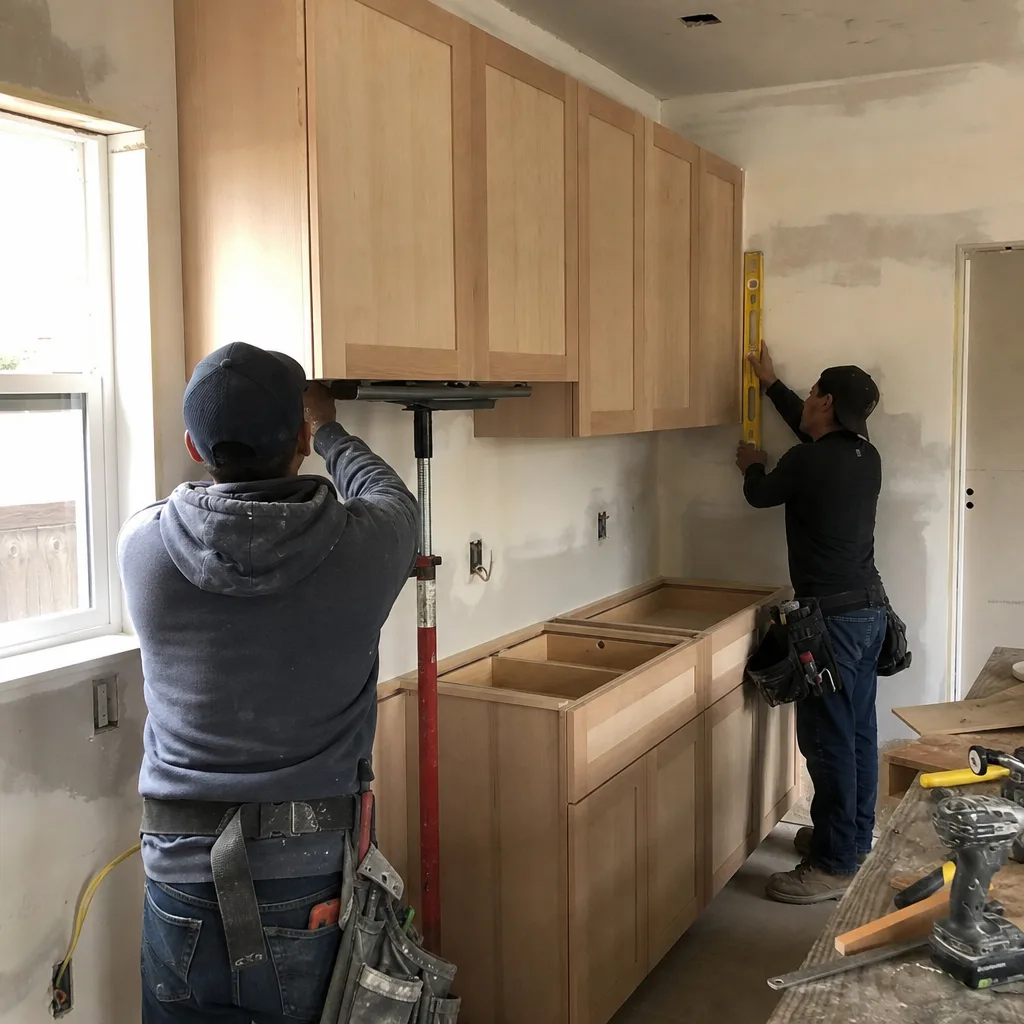
There’s a clear line between what an Abodu owner can safely assess and what requires a licensed contractor.
Safe to check yourself: Visual inspection of the marriage wall sealant, debris clearance around pier foundations, filter changes on the mini-split, and operation of GFCI outlets. Document what you find with photos, dated.
Call us for: Anything involving the steel chassis connection, foundation leveling, electrical panel work, or gas line connections. These systems are engineered as assemblies; modifying one component without understanding load paths or utility routing creates liability and safety issues. We are not affiliated with Abodu, but we are familiar with their assembly methods and maintain the specialized fasteners, flashing profiles, and sealants their system requires.
Measure twice, document everything, then build. That’s how Grant Rowan has run jobs across the East Bay since 2007, including extended work in the Fruitvale district on structural retrofits and full ground-up builds. If you’re seeing any of the symptoms above, call (628) 300-4376 to schedule your free estimate. We’ll walk the unit, photograph the conditions, and deliver a written price with no pressure to proceed.
FAQs
With proper maintenance, the steel chassis and pier foundation should last 50-plus years; the envelope components, flashing, and sealants typically need attention at 10-15 years in Oakland’s climate. The clay soil and marine air cycle stresses waterproofing materials more aggressively than inland California markets. Call (628) 300-4376 for an exact quote on your specific conditions, estimates are free.
Most marriage wall leaks are repairable without disturbing the interior finishes. We remove the exterior siding to inspect the moisture barrier, replace compromised flashing, and reseal with compatible materials. Only if the sheathing behind is rotted do we recommend opening the interior wall, and that scope is written separately with its own price. Call (628) 300-4376 for an exact quote, estimates are free.
Foundation leveling and marriage wall remediation usually run 3-5 working days; HVAC line set replacement is 1-2 days; deck repairs depend on the extent of rot but generally 2-4 days. We pull permits as required by Oakland building department and schedule inspections before closing walls. Call (628) 300-4376 to schedule your free estimate.
We stock the common failure items: marriage wall flashing profiles, compatible sealants, pier adjustment hardware, and mini-split line set components. Model-specific OEM panels or chassis parts typically ship from Abodu’s parts depot in 5-10 business days. We’ll tell you exactly what’s in stock and what isn’t before you commit to a start date. Call (628) 300-4376 for current availability.
Written by Grant Rowan, Owner, Rowan Construction Group Oakland at Rowan Construction Group Oakland, serving Oakland and nearby areas.