
Free written scope consultation - allowances, timeline, and change-order rules on paper before a single trade is scheduled
 Before
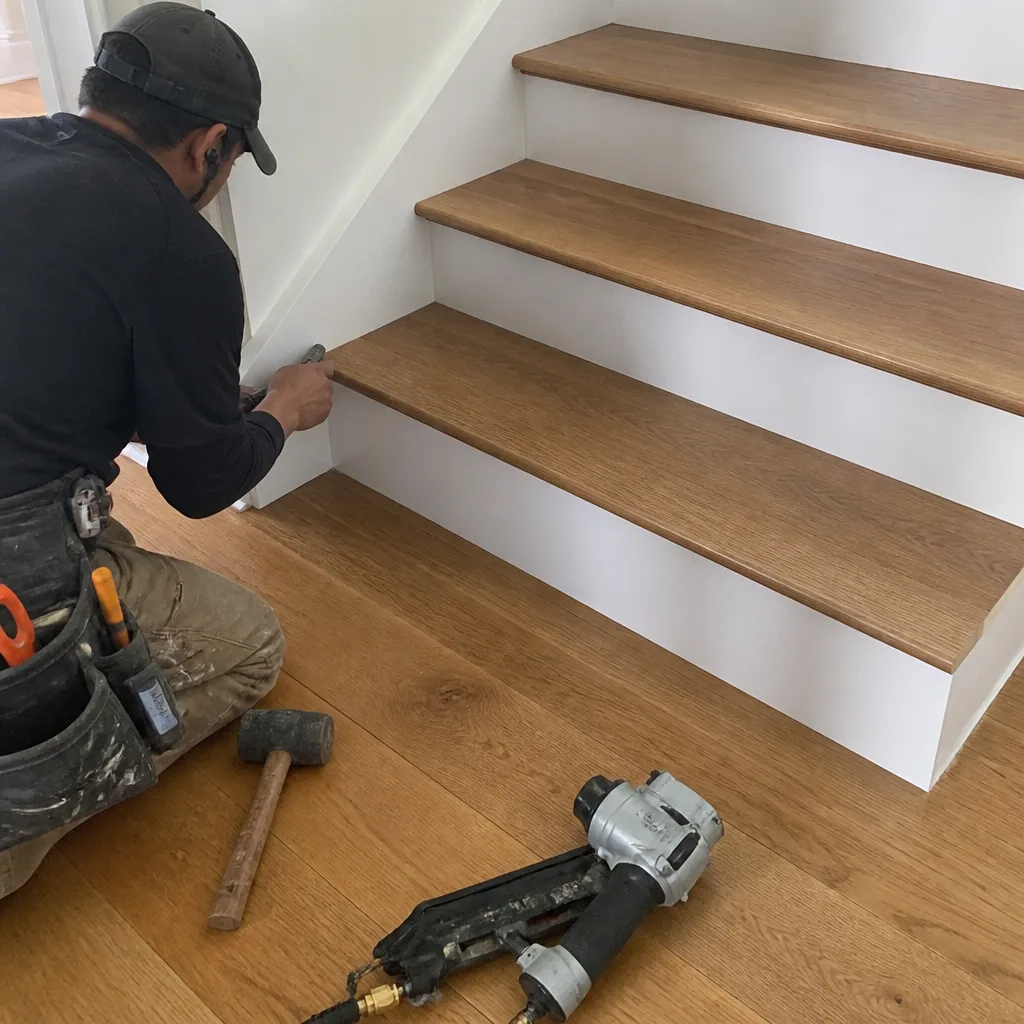 After
After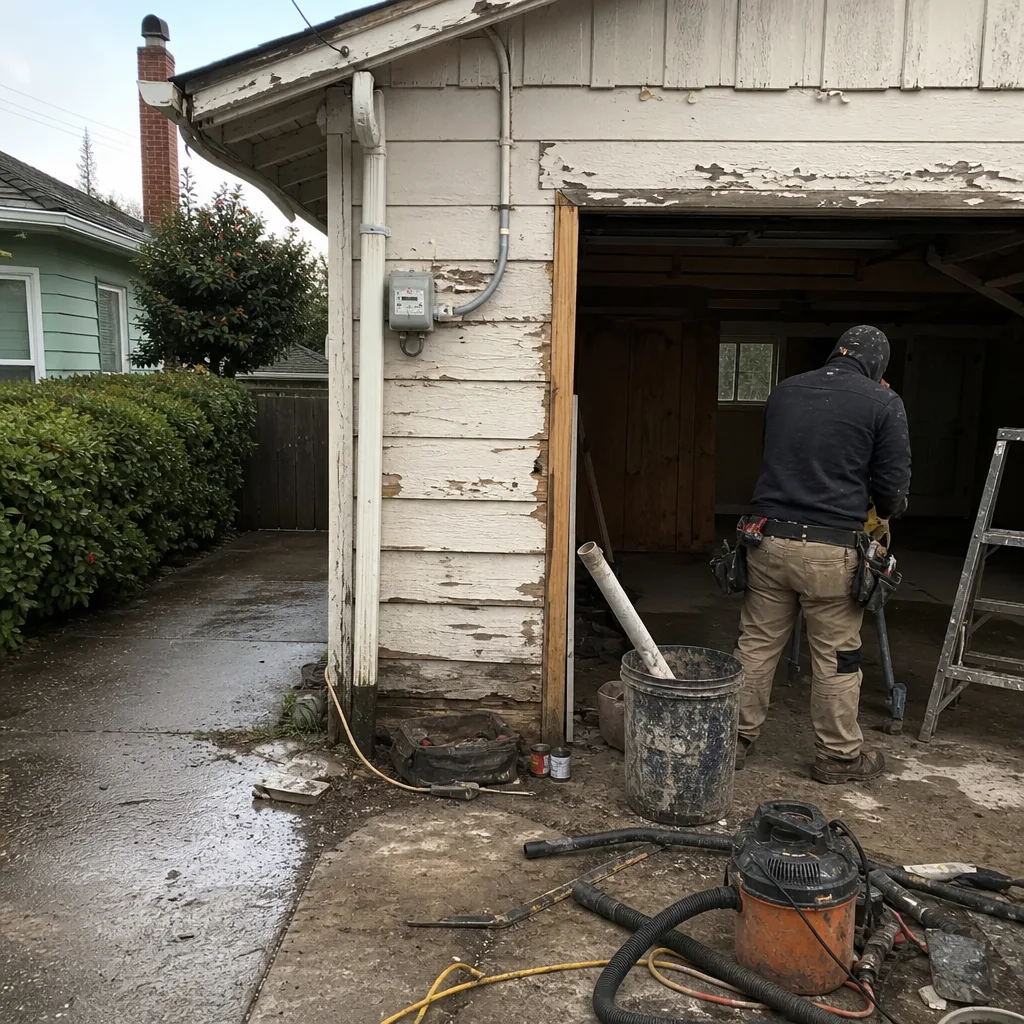 Before
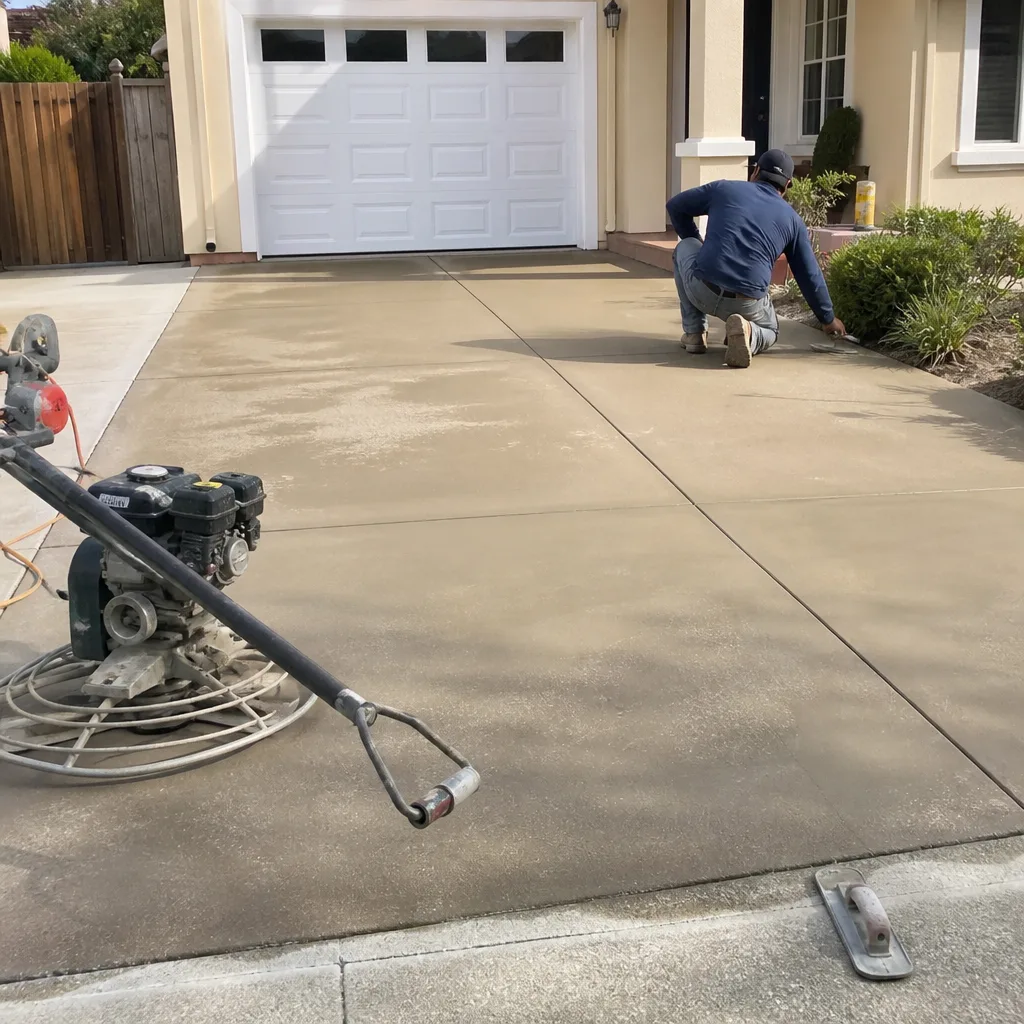 After
AfterSakrete Home Additions & ADU: The Oakland Owner’s Guide
We stock and install Sakrete-compatible concrete and masonry materials for home additions and ADU foundations in Oakland, with typical installed pricing for these projects running $45,000-$130,000 for home additions and $90,000-$220,000 for standalone ADU construction. Most Sakrete product consultations happen same-day when scheduled before noon. Oakland homeowners usually discover their Sakrete mix or application has failed when they spot surface scaling on a newly poured ADU slab, notice cracks propagating through a stem wall after the first winter, or find their contractor’s leftover bags have hardened in the garage - all signs that the wrong Sakrete product was specified for the job, or it was installed without the fiber reinforcement or curing compounds the East Bay’s marine climate demands.
Which Sakrete Models This Applies To
This page covers the Sakrete products we most commonly encounter - and correct - on Oakland addition and ADU jobs: Sakrete High-Strength Concrete Mix (the gray 60-lb and 80-lb bags, typically 4,000 psi at 28 days), Sakrete Maximizer (lightweight, high-early-strength, useful for elevated slabs where dead load matters), Sakrete Crack Resistant Concrete Mix (with synthetic fibers, specified for slabs-on-grade subject to Oakland’s clay-heavy shrink-swell soils), and Sakrete Mortar Mix Type S (for CMU stem walls and veneer applications).
Identifying the right product starts with the bag label - look for the black-and-yellow Sakrete logo and the psi rating in the lower right. The Maximizer bags are visibly lighter; if you heft an 80-lb bag that feels like 50, you’ve got Maximizer. For foundation and slab work, the critical compatibility gotcha is this: Maximizer’s aggregate is expanded shale, which bonds differently to steel reinforcement than standard gravel-based mixes. We’ve seen Oakland inspectors flag this on ADU slabs where the rebar pull-out strength came in below 3,000 psi - the spec called for standard High-Strength, the crew used Maximizer for the lighter carry, and the lap splices failed testing.
On OEM versus aftermarket: Sakrete is the OEM - there is no “genuine Sakrete” versus generic equivalent in the way there is with, say, Kohler fixtures. What matters is the ASTM spec (C387 for pre-blended concrete, C270 for mortar) and whether the batch was stored dry. We source through Oakland’s Carter Lumber and HD Supply locations, checking lot dates; cementitious products past 6 months in coastal humidity begin losing strength. We document the lot number on every delivery ticket.
Signs Your Sakrete Home Additions & ADU Is Failing
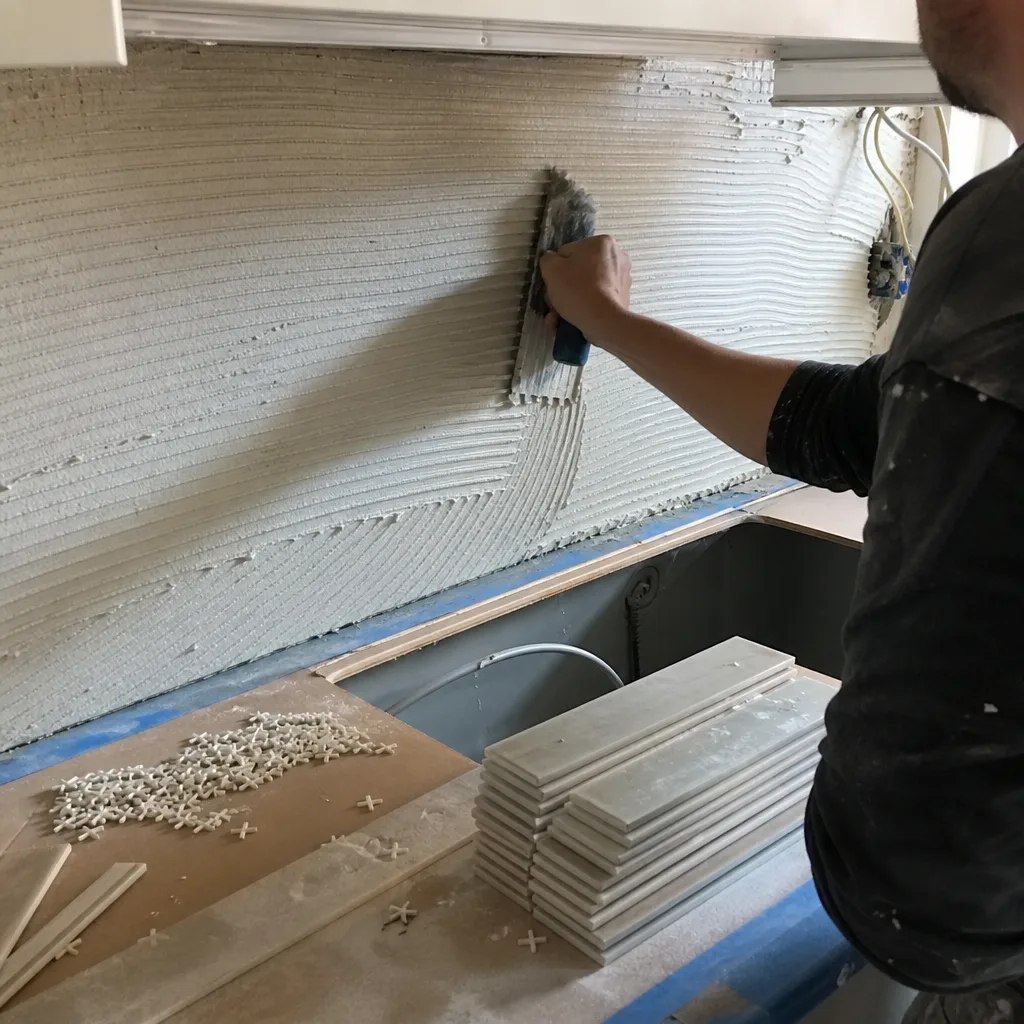
- Surface scaling or spalling on the slab. The top 1/8 to 1/4 inch flakes away, exposing aggregate. In Oakland, this almost always traces to finishing with bleed water still present, or from using plain High-Strength Mix where Crack Resistant was specified - the lack of air entrainment and fiber mesh lets freeze-thaw cycling (yes, even here, in the hills above 800 feet) pop the surface.
- Hairline cracks running parallel to control joints, or ignoring them entirely. Clay soils in the Fruitvale and Maxwell Park areas expand when winter rains saturate them, then contract by July. Without the right Sakrete mix and properly spaced joints (typically 24 times slab thickness in feet, so 10 feet for a 5-inch slab), the concrete loses the argument with the dirt beneath it.
- Efflorescence blooming on CMU stem walls. White, powdery deposits mean moisture is moving through the wall, carrying soluble salts. In ADUs we build near the Oakland Estuary, this signals either Type N mortar where Type S was needed, or Sakrete Mortar Mix applied in cold weather without adequate curing time - the weaker matrix never sealed properly.
- Rebar shadows visible on the finished surface. Dark lines where steel sits too close to the face. This is a placement error, not a product failure, but it means the Sakrete cover - the protective concrete depth over steel - is below the 3-inch minimum for footings in seismic Zone 4. We’ve had to saw-cut and patch three Oakland ADU foundations for this in the past two years.
- Crumbly, sandy breaks where the mix never achieved paste cohesion. This is the bag-hardening failure - Sakrete stored in a damp garage, or left on site through Oakland’s fog season. The cement hydrates prematurely in the bag. You can spot it before pouring: the mix feels uniformly gritty, with no fine paste binding it. We reject any delivery with clumping or discoloration.
BeforeAfterReplacement Cost & What’s Included
For a full Sakrete foundation or slab replacement on an Oakland home addition or ADU, our installed pricing breaks down as follows:
| Component | Price Range |
|---|---|
| Concrete demolition and haul-away | $3,500-$8,000 |
| Sakrete High-Strength or Crack Resistant Mix (materials) | $1,200-$3,500 |
| Reinforcement (rebar, mesh, chairs) | $800-$2,200 |
| Placement, finish, and curing | $4,500-$9,500 |
| Inspection coordination and permit close-out | $1,000-$2,800 |
| Typical total for slab-on-grade replacement | $11,000-$26,000 |
The range depends on three factors: slab thickness (4-inch versus 6-inch for garages or heavy-load areas), accessibility (can our pump truck reach, or do we wheelbarrow from the street), and whether the original was post-tensioned - rare in Oakland residential, but present in some 1990s-era additions where we must bring in a specialty sub to destress the cables before demo. Under Clause 1 of the Haven Standard, you receive a written, line-itemized price before any work starts. No change proceeds without a signed change order. Our 365-Day Done Right Promise covers the workmanship; Sakrete’s product warranty runs through the manufacturer.
DIY or Call Us?
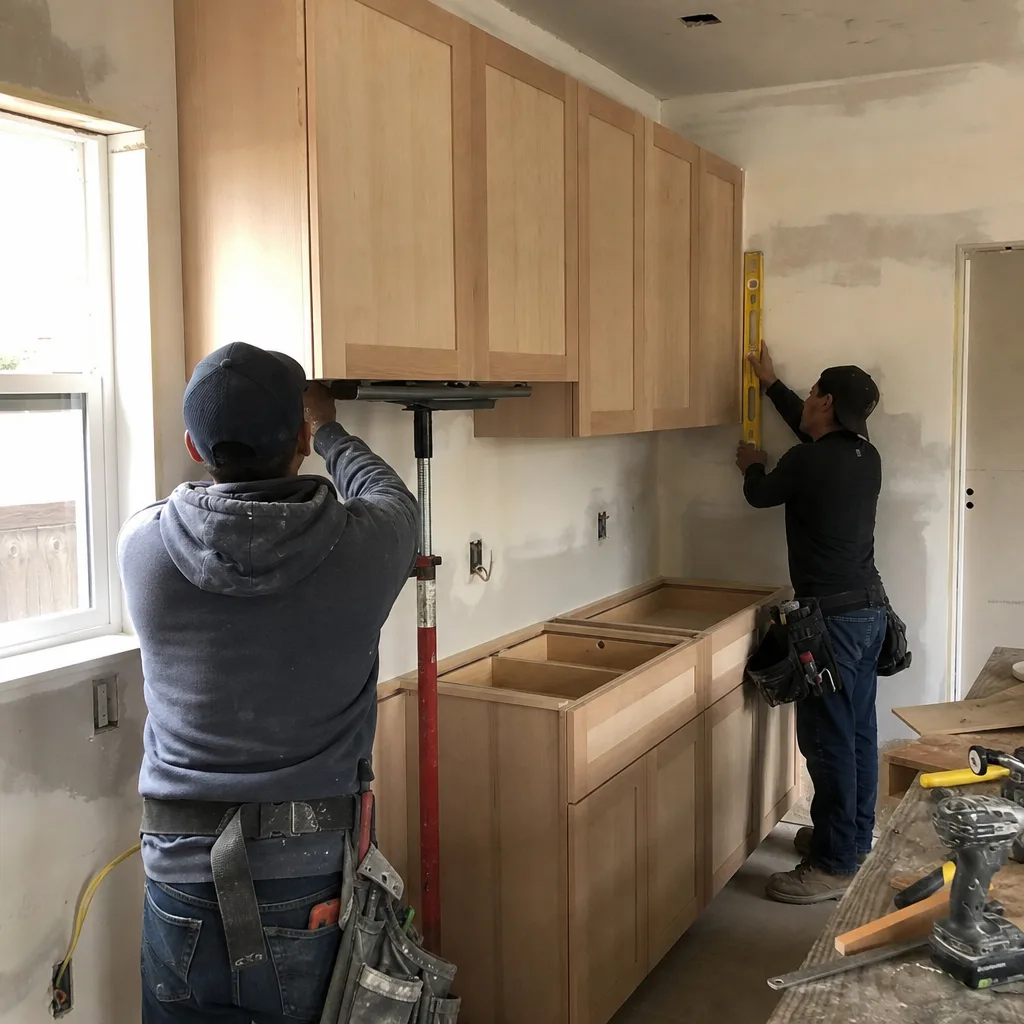
Here’s what an Oakland homeowner can safely check: read the Sakrete bag for the ASTM spec and lot date, look for clumping or moisture damage, and verify the subgrade is compacted - a 2×4 and a hand level will tell you if there’s a obvious dip that’ll telegraph through. You can also confirm rebar placement with a tape measure; 3 inches minimum cover, centered in the slab thickness.
Where DIY goes wrong: ordering concrete by the bag for anything over about 15 square feet. Eighty-pound bags yield 0.6 cubic feet; a modest 20×20 ADU slab at 4 inches needs 89 bags, mixed and placed before any of them begin to set. The logistics defeat most homeowners, and the cold joints between batches create failure planes. More critically, Oakland requires engineered plans and inspection for all ADU foundations - the permit is not optional, and the inspector will red-tag an owner-builder who can’t produce the mix design submittal. We’ve been called in to rescue three owner-builder ADU slabs in the past 18 months, each one a full removal and re-pour that cost double what doing it right the first time would have. Call (628) 300-4376 and we’ll review your plans at no charge.
FAQs
A properly specified, placed, and cured Sakrete foundation should last 50-plus years in Oakland’s climate. The failure mode we see is almost never the concrete itself but the conditions around it - poor drainage, inadequate reinforcement for expansive soils, or the wrong mix for the application. Call (628) 300-4376 for a free assessment of your specific site conditions.
Sometimes. Surface scaling under 1/4 inch can be addressed with polymer-modified overlay systems; isolated cracks can be epoxy-injected if the slab is structurally sound. But if the rebar is exposed or the subgrade has settled, partial repair is false economy - the patch fails at the boundary. We document the full condition with photos and give you both options in writing. Call (628) 300-4376 to schedule the evaluation.
Demo through final inspection typically runs 10 to 14 business days for an ADU-scale slab in Oakland. Day 1-2: demo and haul. Day 3-4: form, place reinforcement, pre-pour inspection. Day 5: pour and finish. Days 6-13: cure (minimum 7 days before loading, longer in cold weather). Day 14: final inspection and documentation delivery. We do not promise same-day completion; concrete gains strength on a chemical schedule, not a marketing one.
We do not carry bagged Sakrete on service vehicles - cementitious products degrade in humidity, and a truck cab is no place for them. We order fresh, lot-documented material from Oakland-area suppliers for each job, with delivery timed to the pour schedule. For emergency stabilization (a stem wall crack threatening structural integrity), we carry rapid-setting repair mortars from competing brands, but permanent Sakrete work gets fresh material, every time. Call (628) 300-4376 to confirm availability for your project date.
Rowan Construction Group Oakland is an independent contractor and is not affiliated with, endorsed by, or sponsored by Sakrete. We also stock and install materials from KraftMaid, Cambria, and Silestone for related trades.
Measure twice, document everything, then build. That’s how Grant Rowan has run jobs across the East Bay since 2007 - from his first framing hammer at Santa Monica College through 4,000-plus projects with written prices before work started and documented records when the crew left.
Written by Grant Rowan, Owner, Rowan Construction Group Oakland at Rowan Construction Group Oakland, serving Oakland and nearby areas.