
Free written scope consultation - allowances, timeline, and change-order rules on paper before a single trade is scheduled
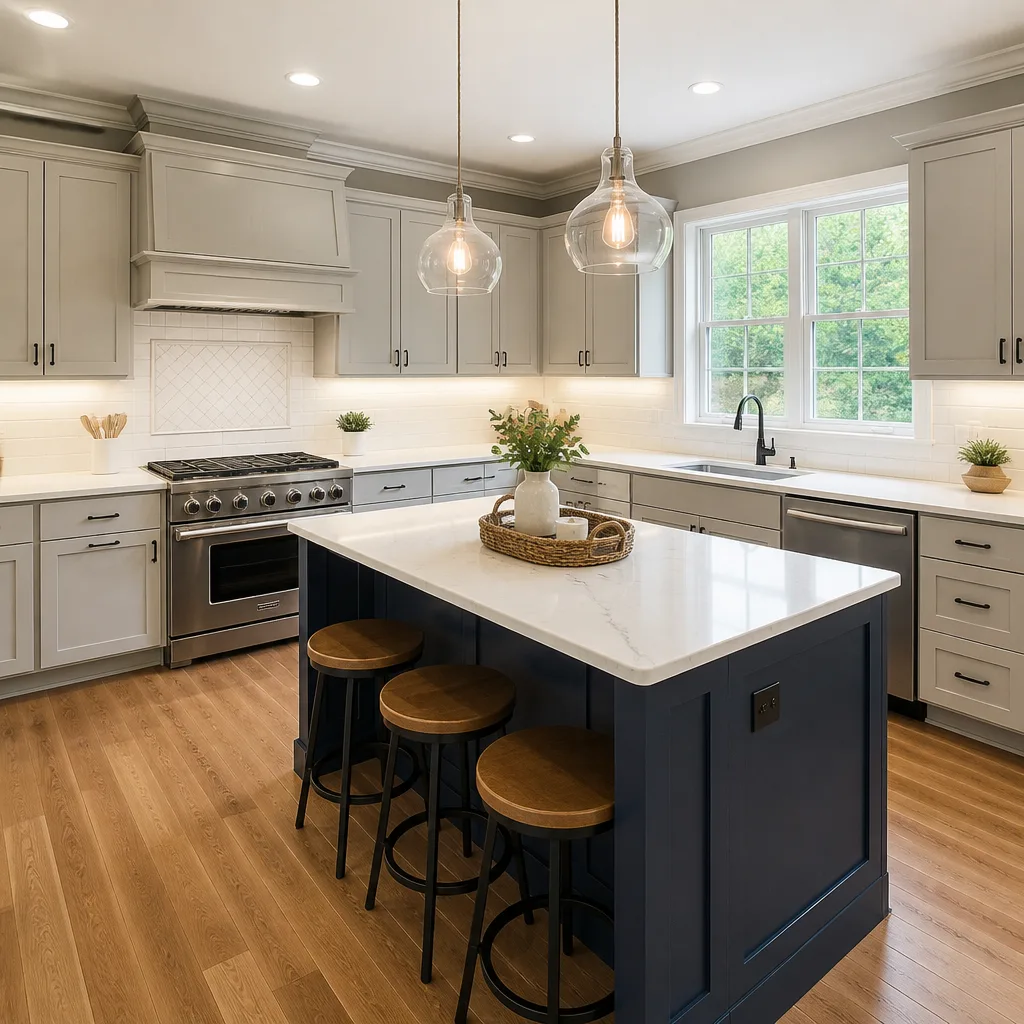
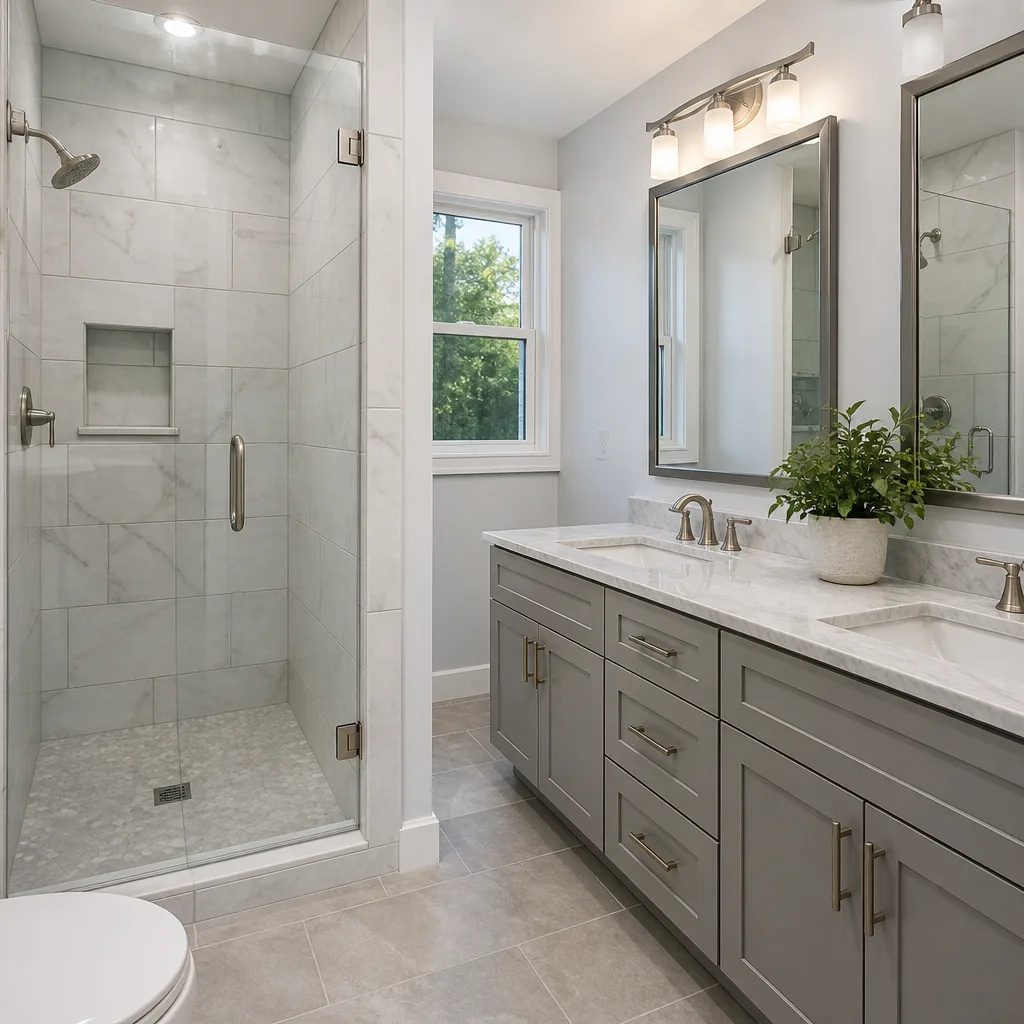
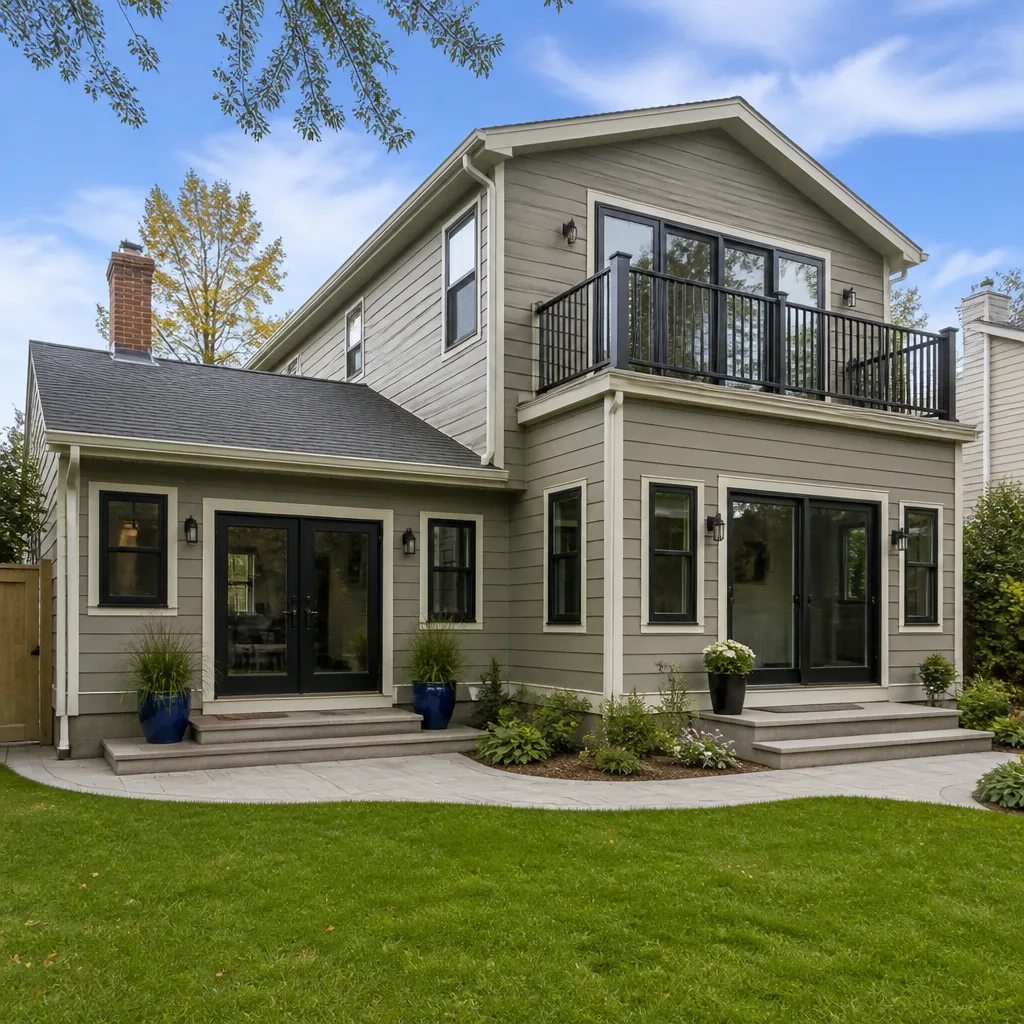
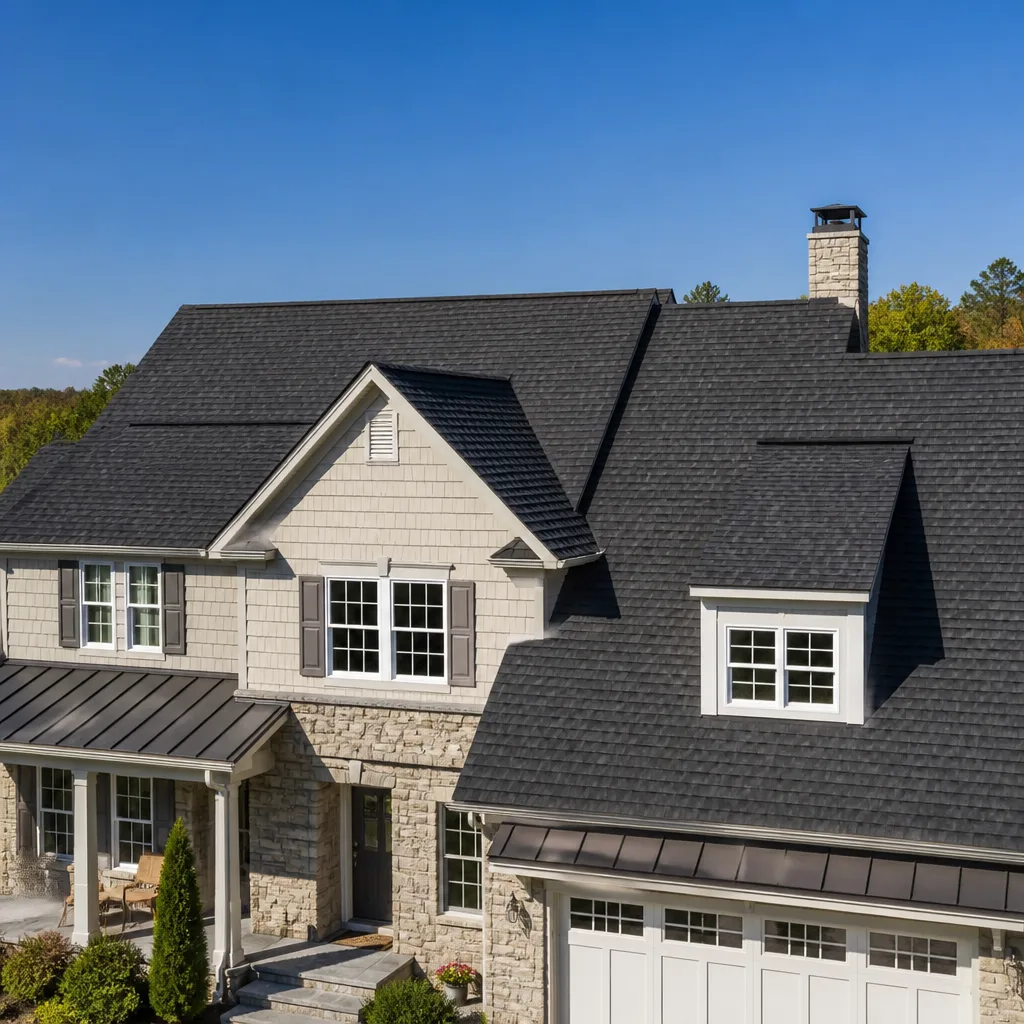
 Before
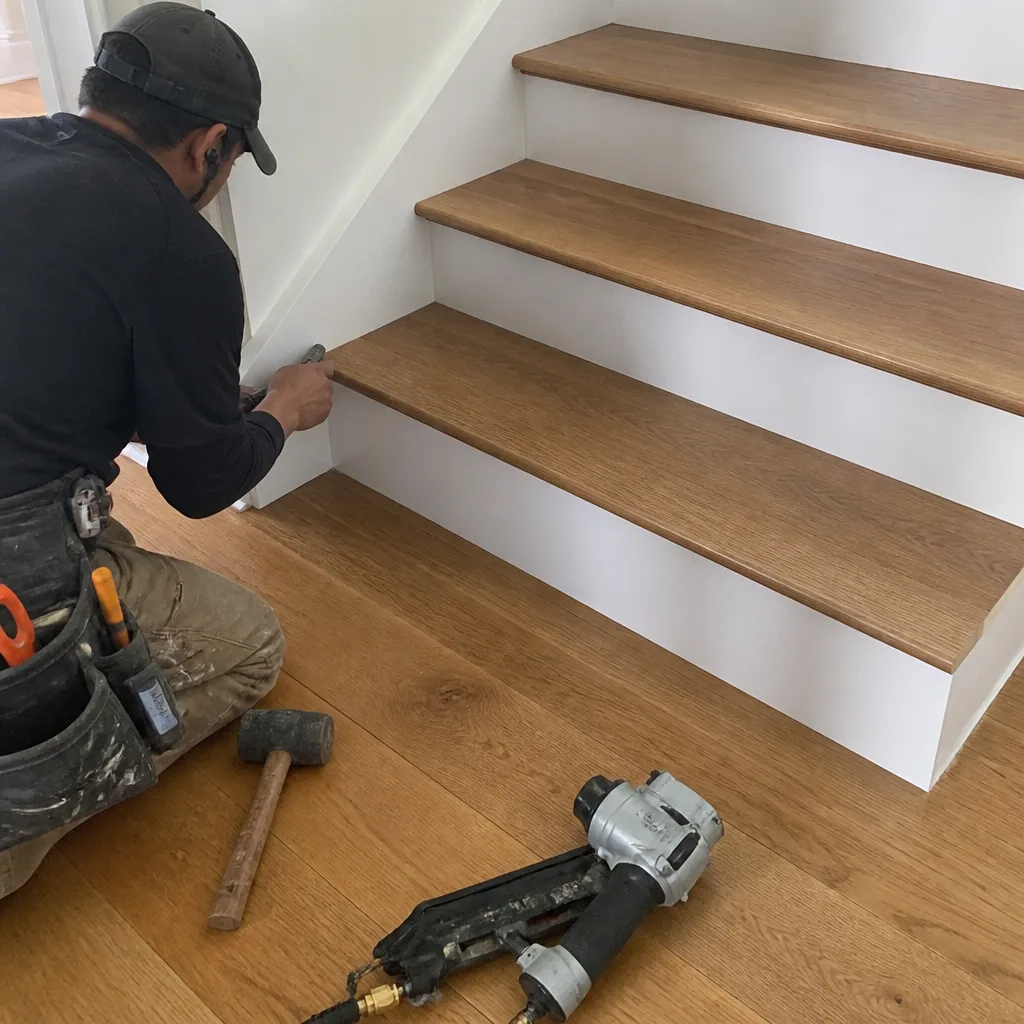 After
After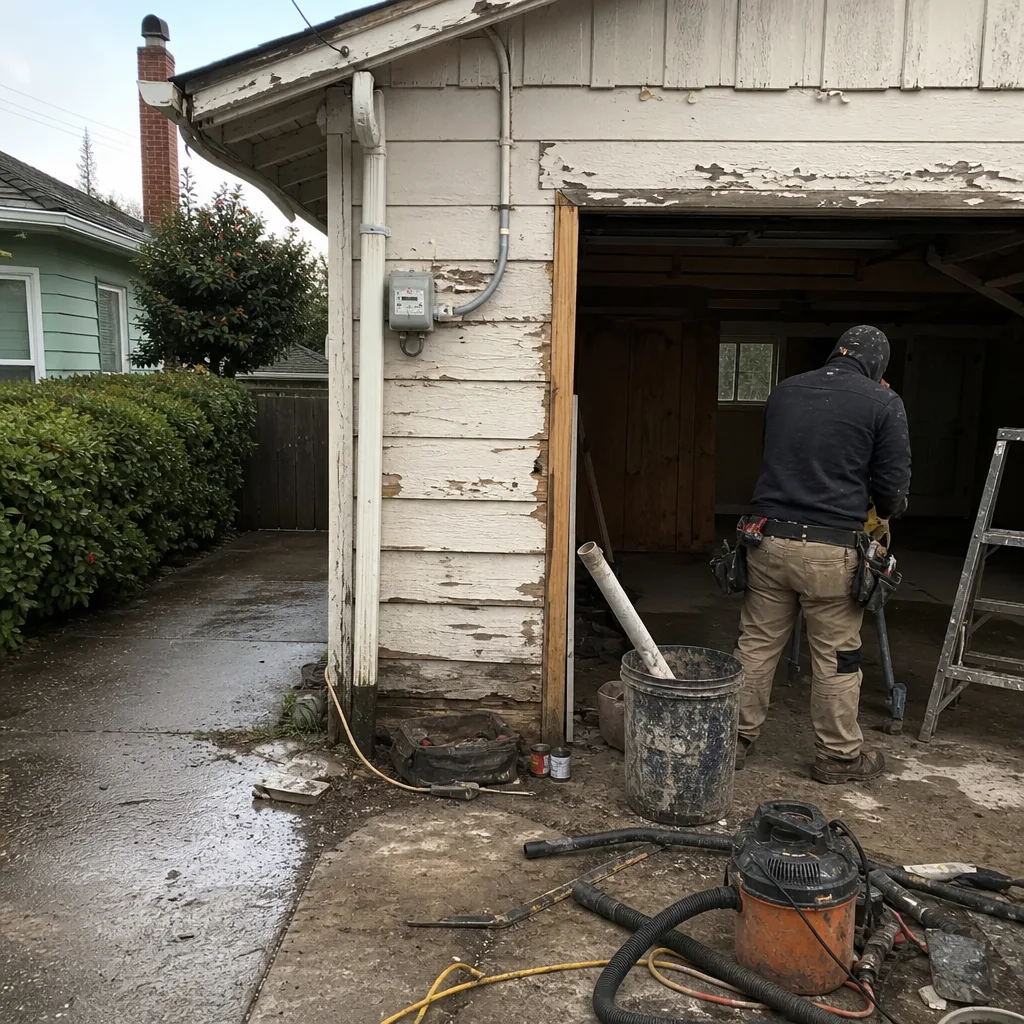 Before
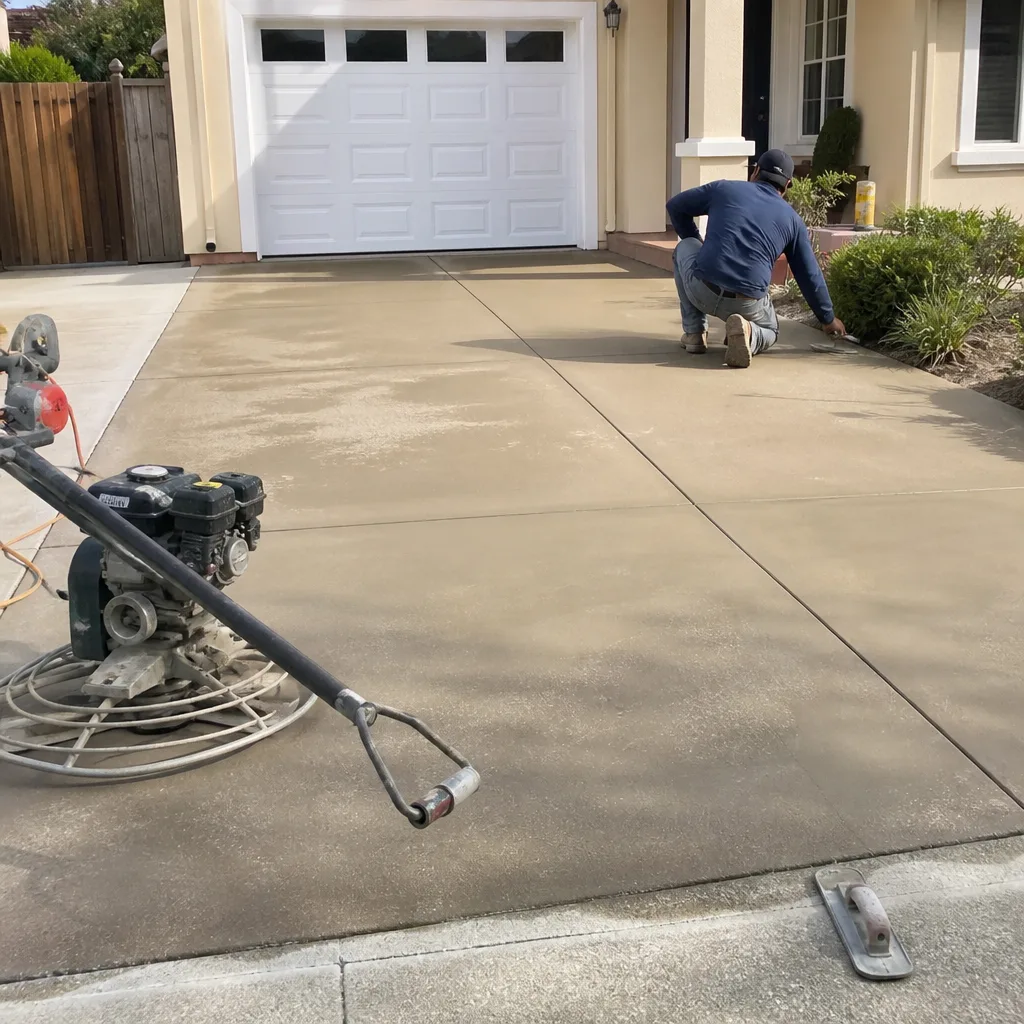 After
AfterCambridge Pavers Roofing: The Oakland Owner’s Guide
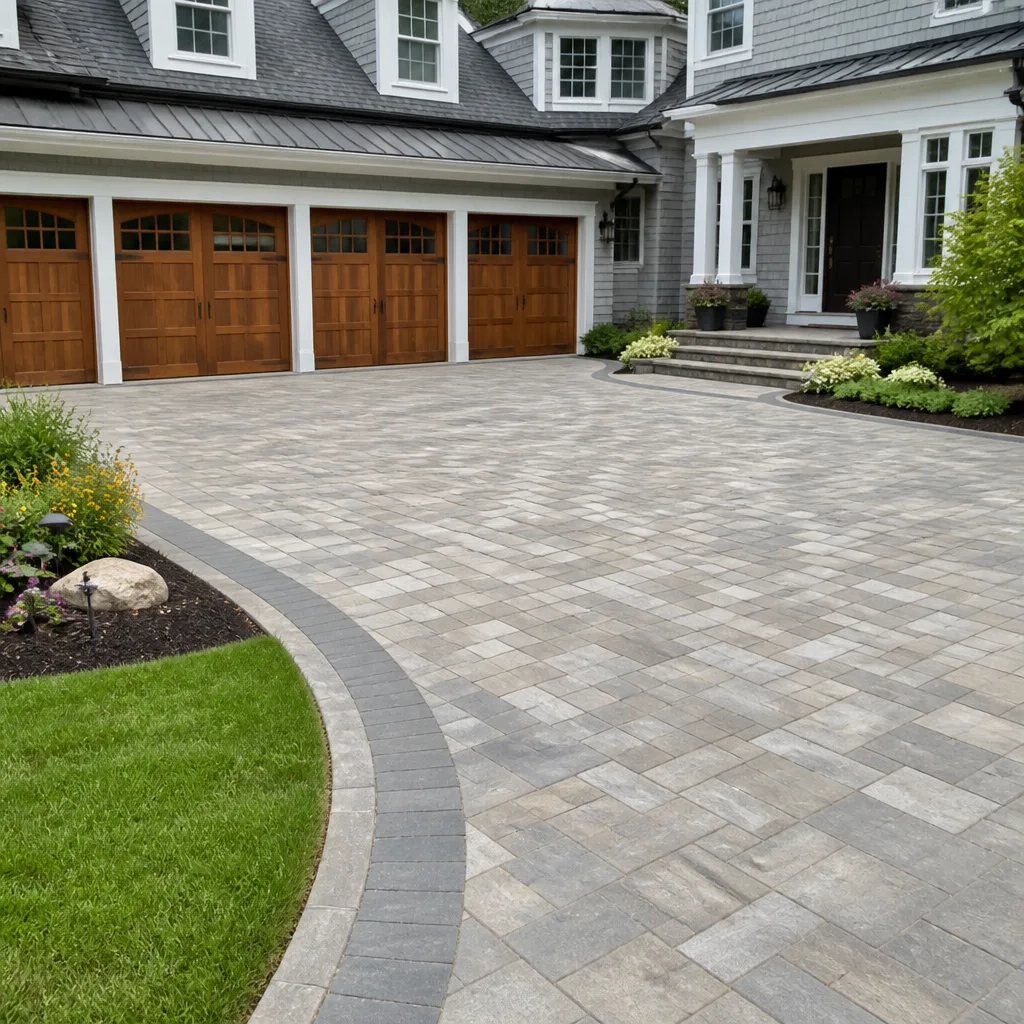
Cambridge Pavers roofing repair in Oakland typically runs $400-$1,800 for part replacement and installation, with most common failures addressed same-day when the part is in stock. We carry Cambridge Pavers-compatible membranes, fasteners, and edge metal for the Pavingstones and Wall Systems lines most common in East Bay installations from 2015-2023. Most owners discover a problem after heavy rain, when water pools on the paver surface instead of draining through the permeable joints, or when they notice the bedding sand has washed out from beneath the pavers near roof-access walkways and terrace edges.
Which Cambridge Pavers Models This Applies To
Cambridge Pavers produces permeable and standard paving systems, not traditional roofing shingles, so “Cambridge Pavers roofing” in Oakland almost always refers to their Pavingstones line installed as ballast or walking surfaces on flat roofs, or their Wall Systems used for parapet caps and perimeter detailing on low-slope commercial and residential builds. The critical identifier is the manufacturing stamp on the paver underside, which lists the series (Arctic, Ledgestone, or Cobble, for instance) and the production batch date. We need that stamp to match the exact color blend, since Cambridge runs dye lots that shift noticeably between years, and an Oakland customer with a 2019 Arctic 3-piece in Toffee/Onyx will see a mismatch if we install a 2023 run.
For the membrane and drainage components beneath the pavers, we source either Cambridge OEM geotextile and bedding materials or equivalent-spec products from Belgard and Techo-Bloc, both of which we stock. The decision hinges on whether the original installation used Cambridge’s Permeable Pavement System with their specified open-graded base, or a generic compacted aggregate bed that failed prematurely. We verify this during our site visit, document it in the photo record, and note the spec on the written quote.
Signs Your Cambridge Pavers Roofing Is Failing
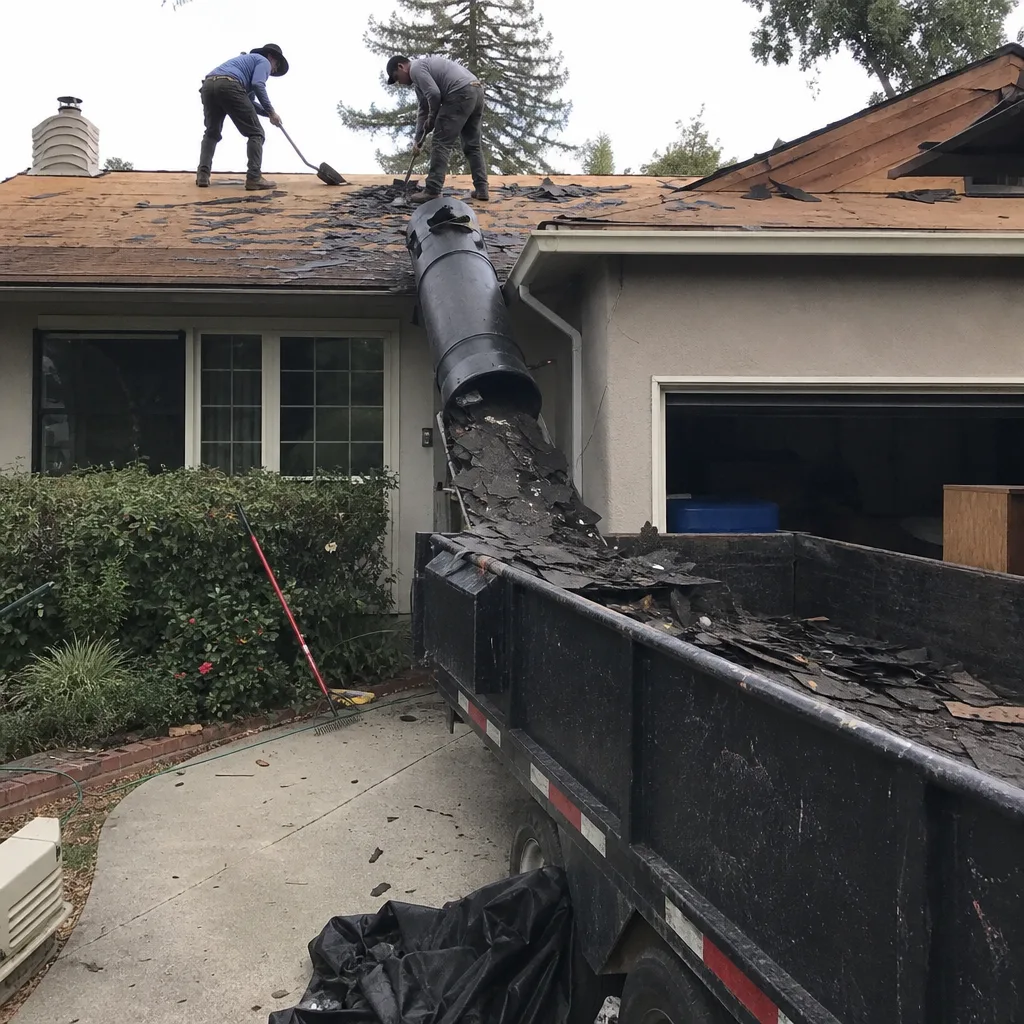
- Standing water on paver surfaces after rain. Permeable pavers should drain through the joints within minutes. When sediment clogs the aggregate bedding layer, or the geotextile fabric beneath has compacted, water sheets across the surface instead. In Oakland’s clay-heavy soil zones, particularly near the hills above Piedmont, this often traces to fine silt migrating upward through a compromised separation layer.
- Pavers rocking or settling unevenly underfoot. The bedding sand or aggregate base has eroded or washed out, leaving voids. This happens fastest where downspouts discharge onto the paver surface, or where the roof slope concentrates runoff at a single edge. The paver itself is usually intact; the support system beneath it has failed.
- Sand or aggregate appearing at drains or scuppers. The bedding material is migrating through the system, which means the geotextile fabric has torn or was omitted during original installation. We find this frequently on Oakland flat roofs where the original contractor used standard landscape fabric instead of the heavier woven spec Cambridge requires for rooftop load conditions.
- Efflorescence or white staining on paver faces. Moisture is moving through the paver body and depositing salts. On Cambridge’s concrete pavers, this signals water trapped beneath the surface, often from a failed waterproofing membrane below the paver bed. The pavers may need lifting to inspect the membrane condition.
- Parapet wall caps shifting or separating from the wall. Cambridge Wall Systems used as cap units rely on proper anchoring and expansion accommodation. Thermal cycling in Oakland’s sun-exposed roofs, where surface temperatures swing 40°F or more daily, can stress mortar beds and anchor systems that were not specified for the movement.
BeforeAfterReplacement Cost & What’s Included
For Cambridge Pavers roofing components in Oakland, our installed pricing follows the roof repair range: $400-$1,800, with most permeable paver bed restorations falling between $800 and $1,400. The spread reflects three variables: whether we are resetting existing pavers or sourcing new ones to match, how much of the bedding aggregate and geotextile requires removal and replacement, and whether the underlying waterproofing membrane has been compromised.
Every quote is flat and written, delivered before work starts. It lists line-item costs for materials (paver units, bedding aggregate by the ton, geotextile square footage, membrane patch if needed), labor hours, and the 365-Day Done Right Promise. We pull permits when the scope requires it, and every visit produces a documented photo record of the substrate condition, the materials installed, and the finished surface. Under Clause 1 of the Haven Standard, the price you sign is the price you pay; no change proceeds without a signed change order.
| Component | Typical Range (Oakland) |
|---|---|
| Permeable paver bed restoration (reset existing pavers) | $800-$1,200 |
| Full paver replacement with color match | $1,200-$1,800 |
| Geotextile and aggregate replacement only | $400-$800 |
| Membrane inspection and patch (if accessible) | $600-$1,200 |
DIY or Call Us?
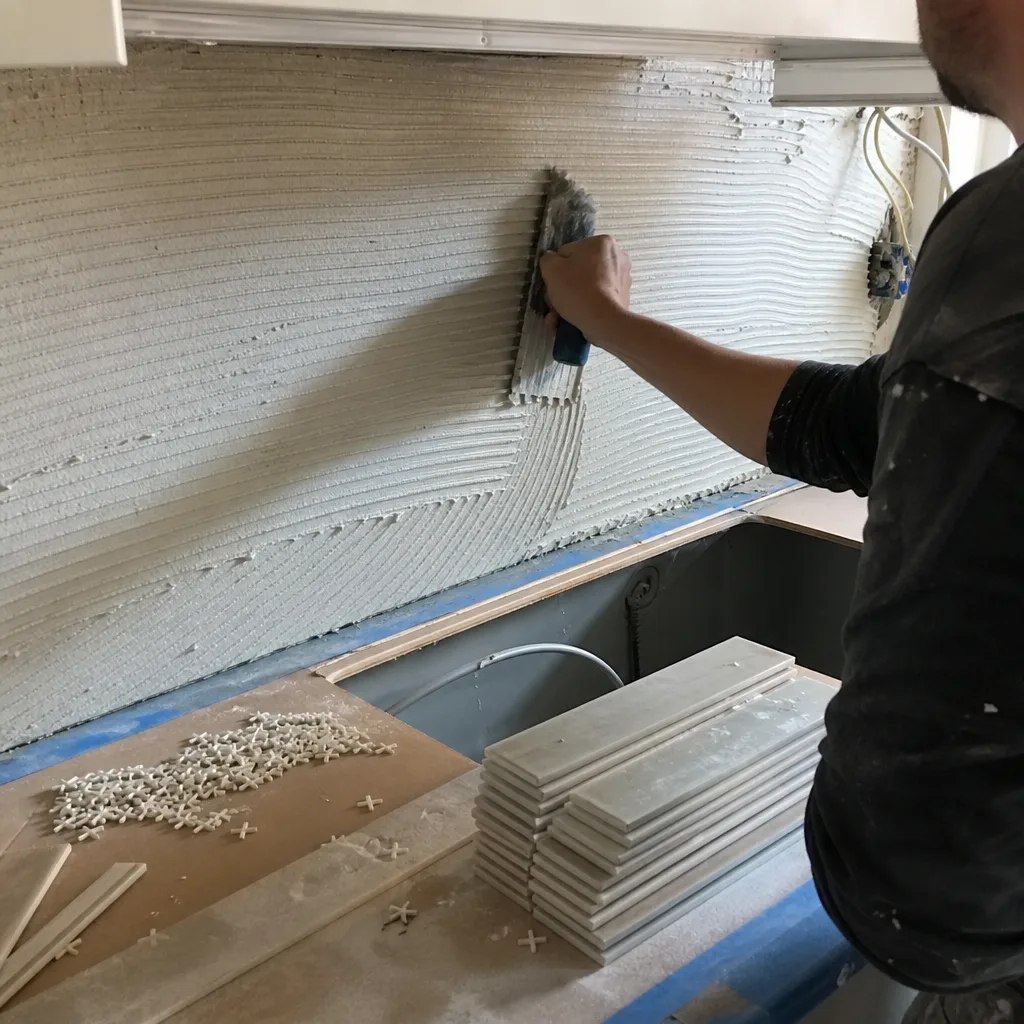
An owner can safely inspect for the symptoms above: walk the surface after rain, photograph standing water patterns, and check the manufacturing stamp on a lifted paver corner if it comes up easily by hand. What we do not recommend is lifting multiple pavers, removing aggregate beds, or attempting membrane patches. Rooftop paver systems are heavy, the bedding layers are structural, and the waterproofing beneath is the last line of defense against interior damage. A misstep in recompacting the base or sealing a membrane seam can channel water directly into the building envelope.
We are an independent service provider, not affiliated with Cambridge Pavers. Our crews carry the Cambridge-compatible materials on the truck for common East Bay specs, and we can typically source exact color matches within 48 hours for production runs still active. Call (628) 300-4376 to schedule your free estimate. We’ll lift a paver, show you the stamp, explain what we found, and put the number in writing.
FAQs
Permeable paver surfaces on properly built beds typically last 20-25 years in Oakland’s climate, though the bedding and drainage components often need attention at 10-15 years due to sediment accumulation and aggregate breakdown. The pavers themselves are concrete; they do not degrade quickly, but the system beneath them does. Call (628) 300-4376 for an exact quote on extending the system’s life - estimates are free.
Individual pavers can be reset if the bedding layer is intact and the paver is undamaged. When the issue is systemic - clogged drainage, failed geotextile, or membrane damage - spot repairs usually fail within a season because the underlying cause persists. We document the substrate condition and show you both options. Call (628) 300-4376 for an exact quote - estimates are free.
Most paver bed restorations we complete in one to two working days, assuming materials are in stock. Color-matched paver orders from Cambridge add 3-5 business days. We specify the timeline in writing on the quote, not after work starts. Call (628) 300-4376 to schedule your free estimate.
We stock Belgard and Techo-Bloc equivalent geotextiles, aggregates, and edge restraints that meet or exceed Cambridge’s published specs, and we maintain common Cambridge Pavingstones colors from recent production runs. For exact color matches on older installations, we verify the batch stamp and source from Cambridge’s New Jersey distribution or regional West Coast yards. Call (628) 300-4376 to confirm availability for your specific stamp - estimates are free.
Written by Grant Rowan, Owner, Rowan Construction Group Oakland at Rowan Construction Group Oakland, serving Oakland and nearby areas.