
Free written scope consultation - allowances, timeline, and change-order rules on paper before a single trade is scheduled
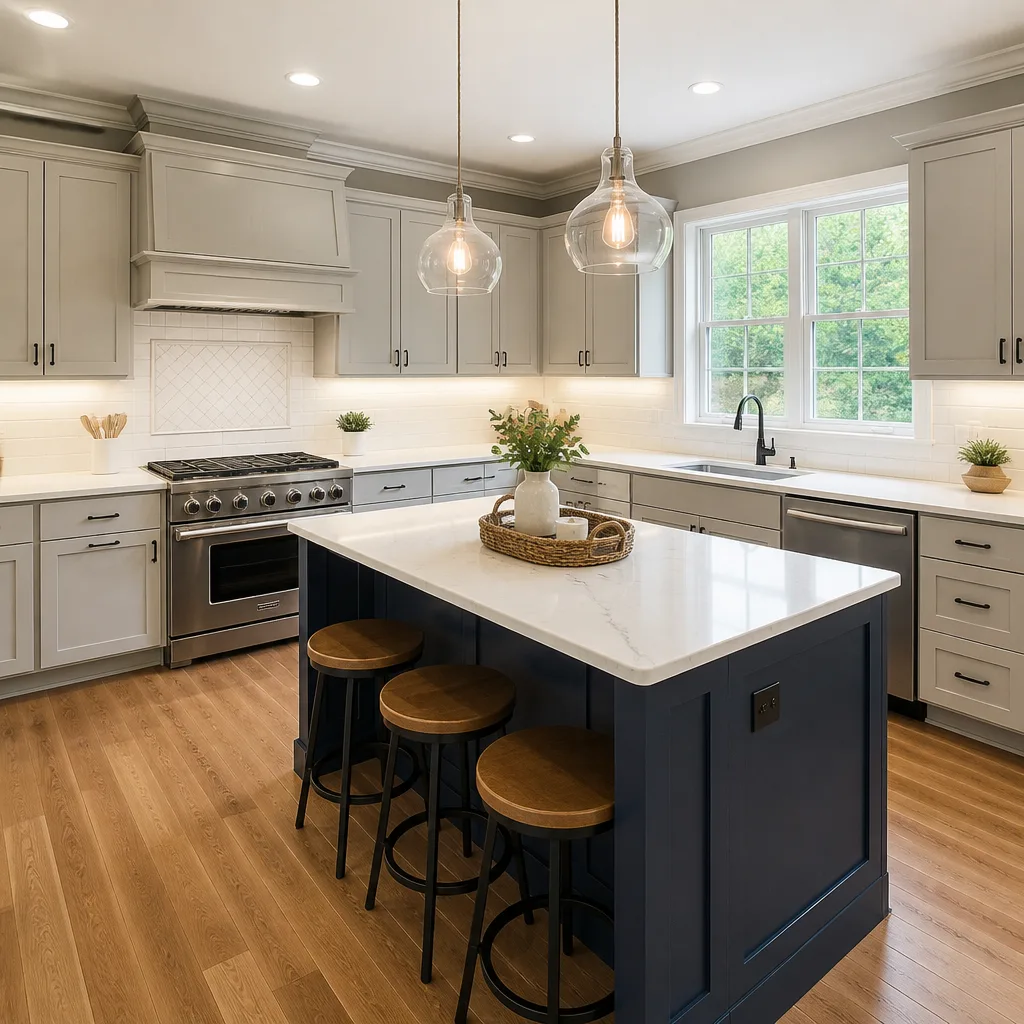
 Before
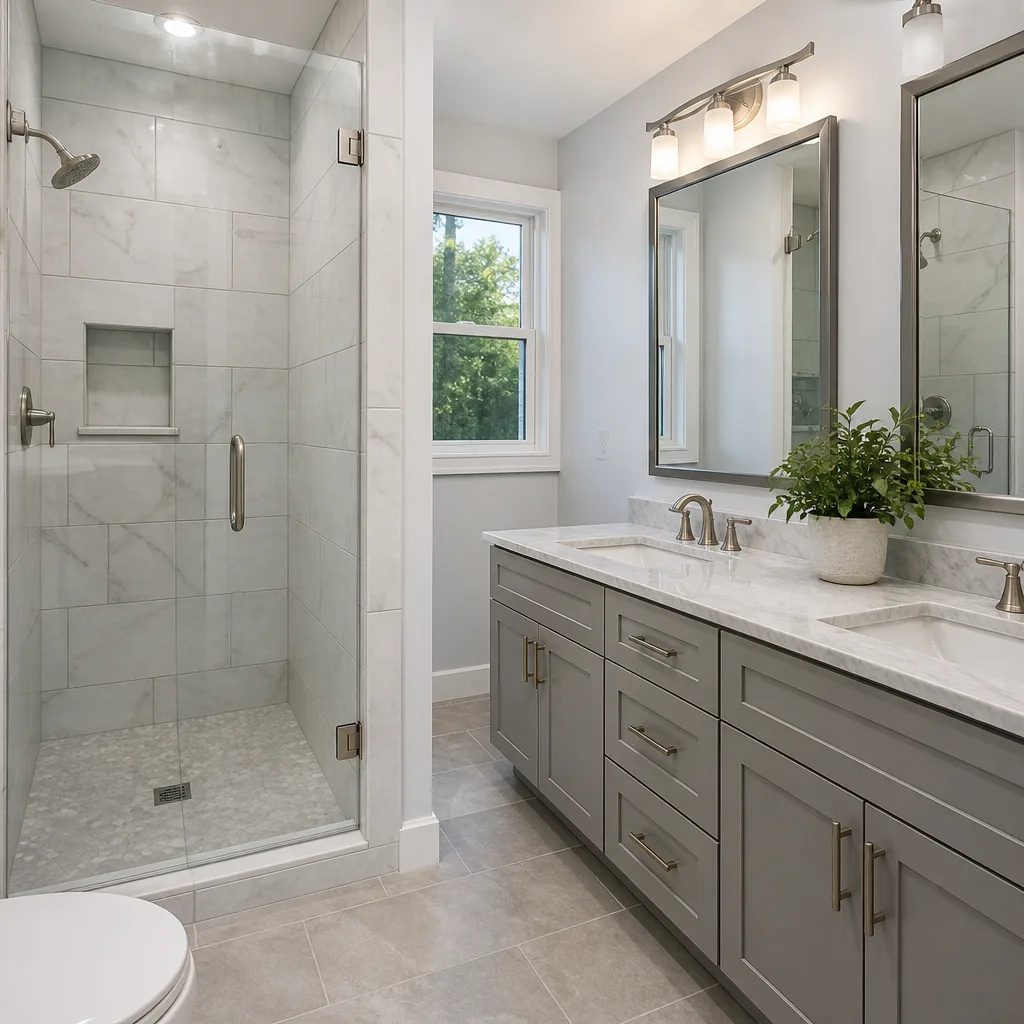
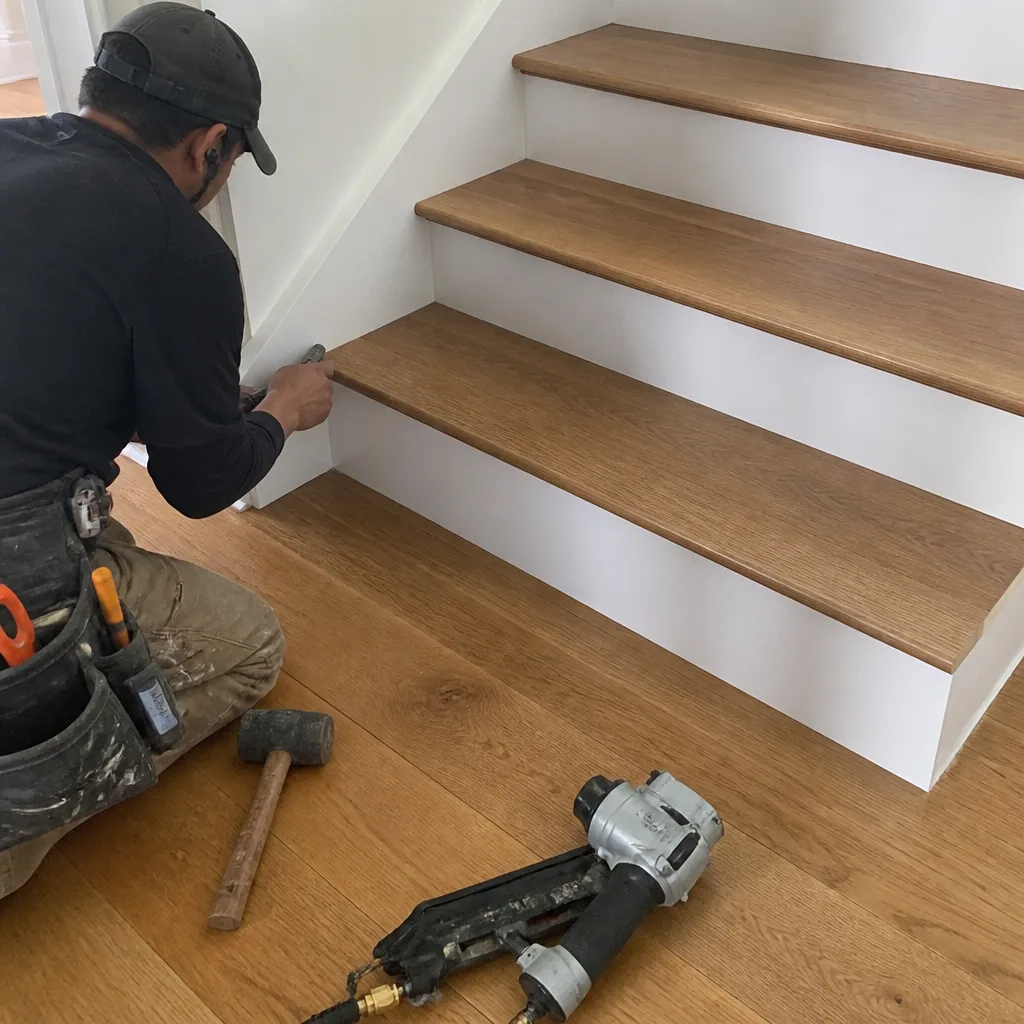 After
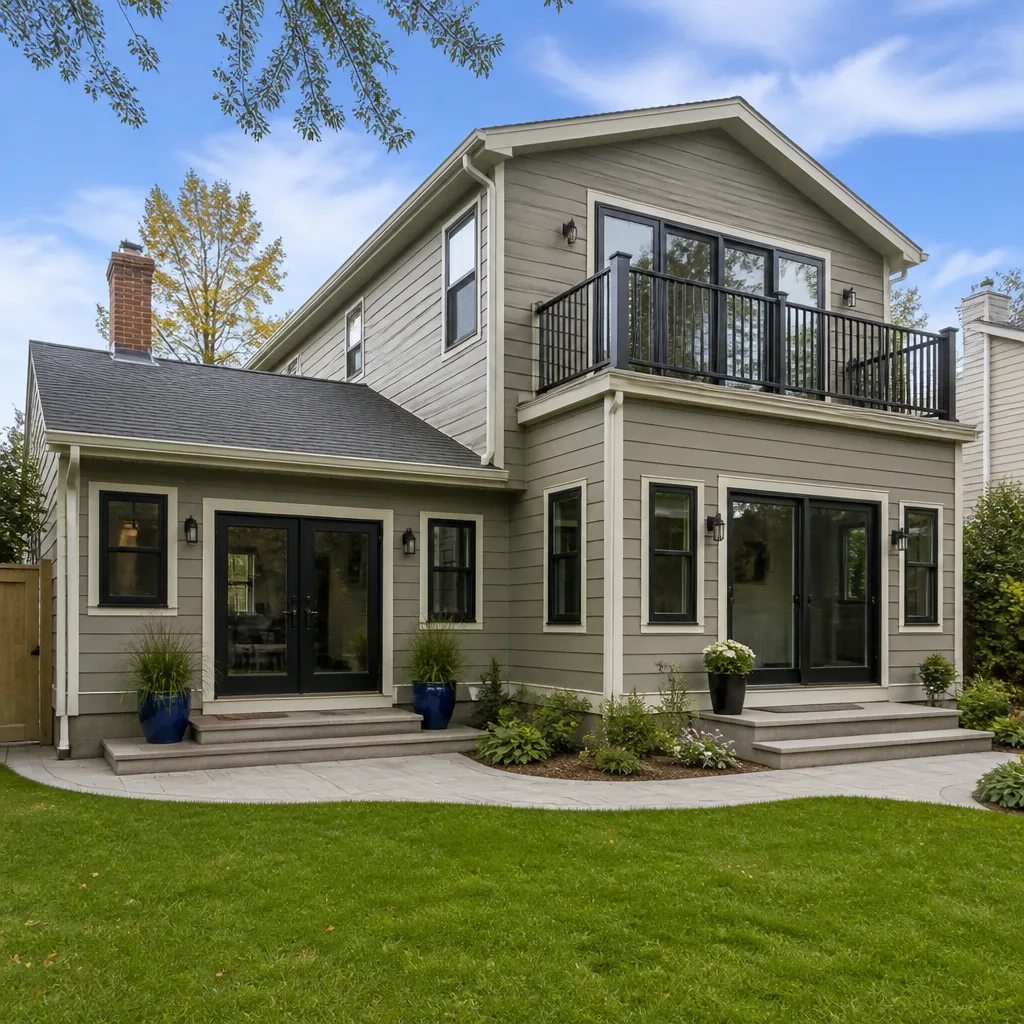
After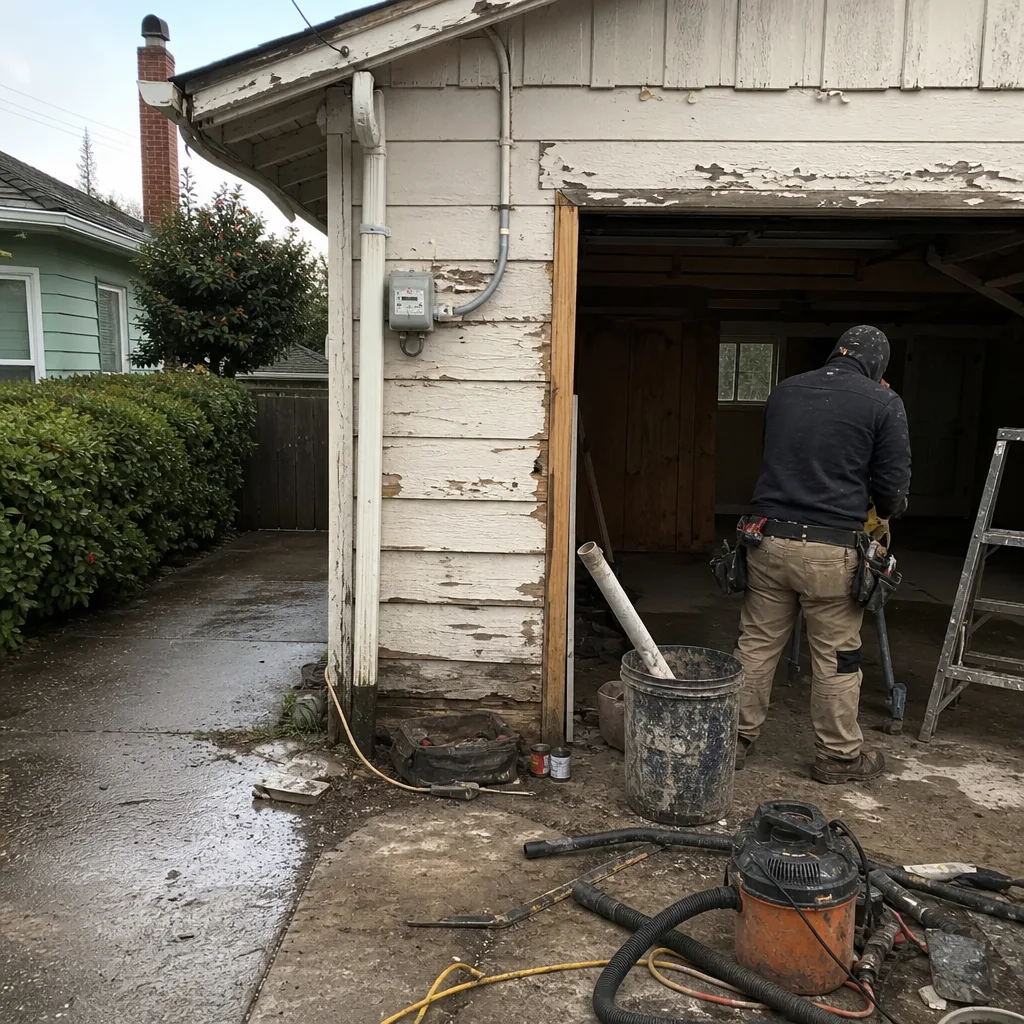 Before
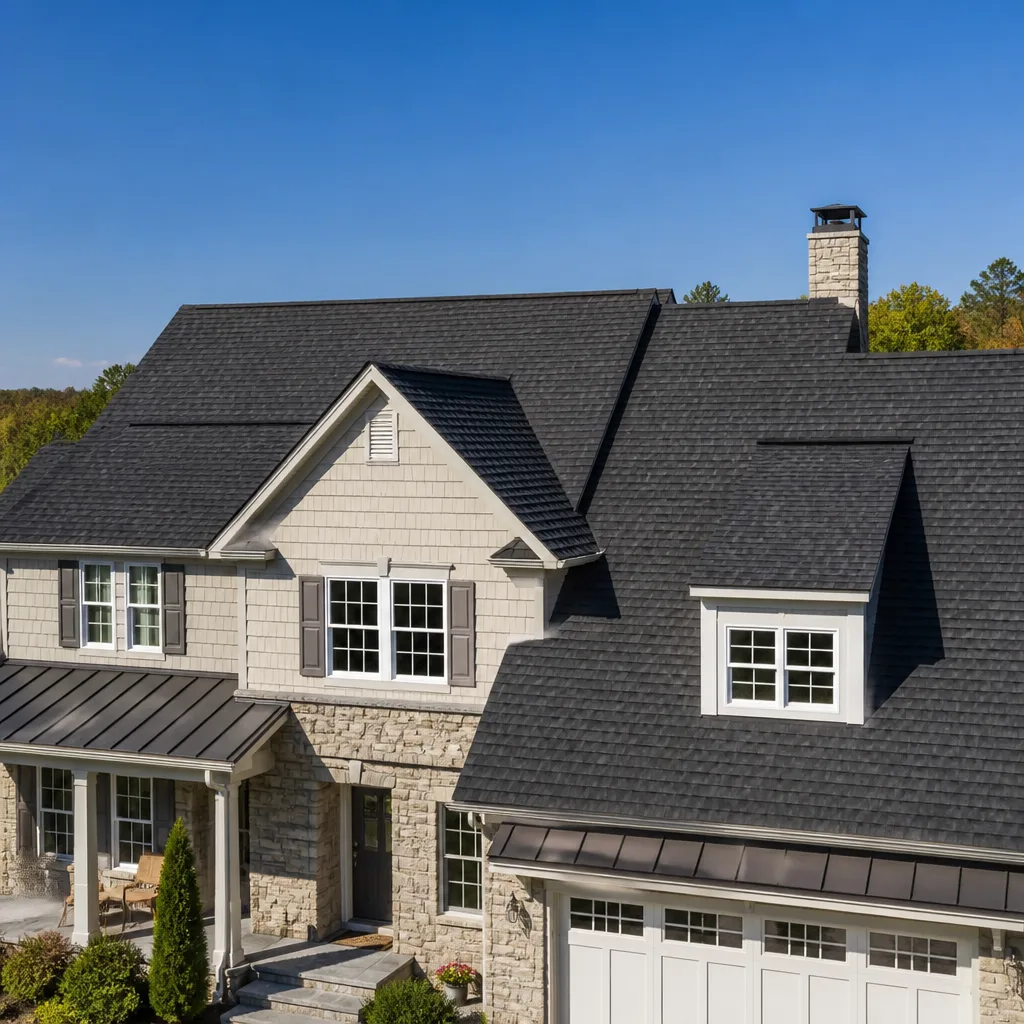
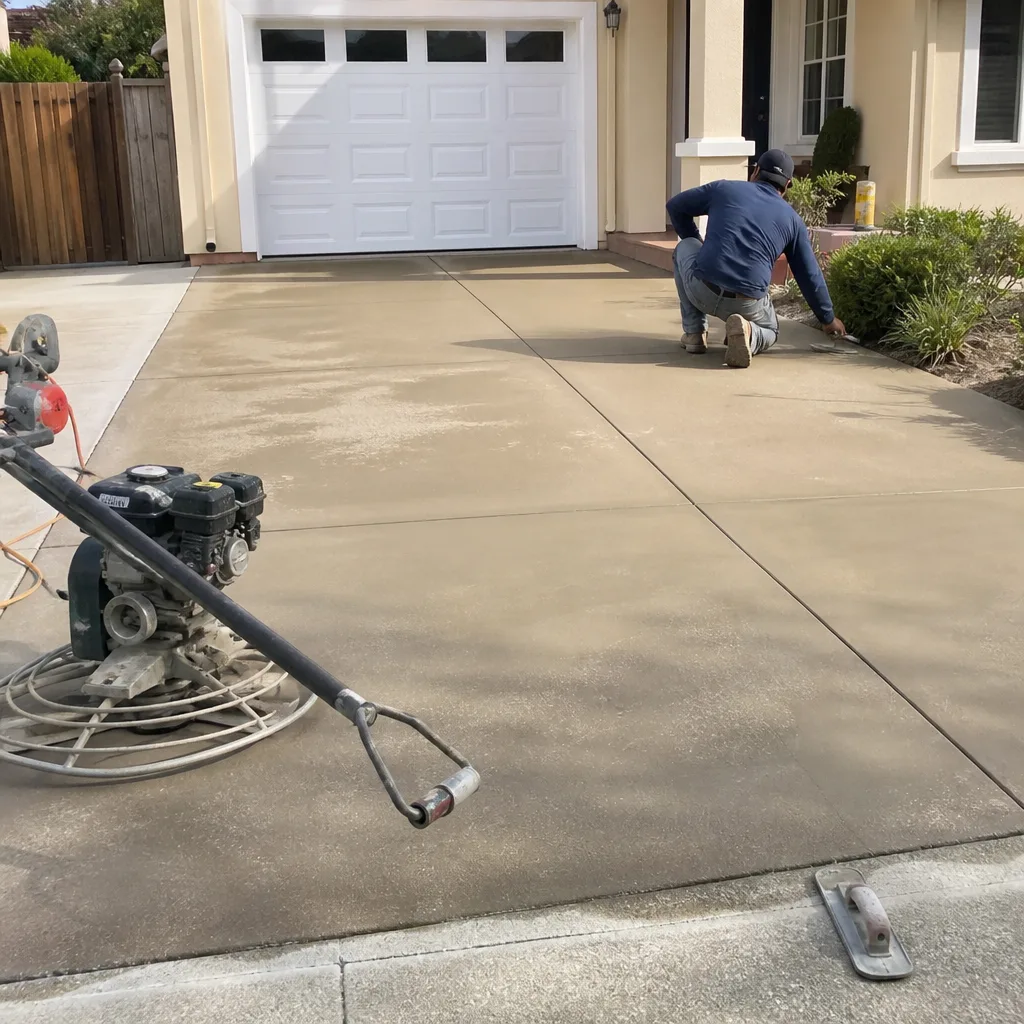 After
AfterSterling Home Additions & ADU: The Oakland Owner’s Guide
We stock and install Sterling-compatible components for home additions and ADU projects across Oakland, with typical installed pricing running $45,000-$130,000 for full additions and $90,000-$220,000 for detached ADUs depending on foundation type, utility tie-ins, and Oakland’s specific zoning overlay. Most Sterling-related structural and enclosure failures - wall panel delamination, window frame separation, roof-to-wall connection stress - are diagnosable in a single site visit, and we carry common Sterling replacement sections on our Oakland warehouse truck. Measure twice, document everything, then build.
Most Oakland homeowners discover their Sterling addition or ADU component is failing during our wet season, when water intrusion at panel seams becomes visible, or when the city flags a connection detail during a resale inspection. In the Fruitvale district, where we’ve handled repeated Sterling retrofits, we regularly see accelerated wear where the original install skipped the specified galvanized fastener schedule for coastal-zone exposure.
Which Sterling Models This Applies To
Sterling’s home addition and ADU product lines span three distinct series: the Sterling Classic modular wall system (manufactured 1998-2014), the Sterling Premier insulated panel series (2010-present), and the Sterling Accessory Dwelling Unit kit system introduced in 2018. The Classic series uses a 2×6 wood-frame core with OSB sheathing and vinyl siding; Premier upgrades to structural insulated panels (SIPs) with integrated wiring chases; the ADU kit employs a steel-frame moment-resisting connection that differs substantially from both. Identification is straightforward: Classic units carry a foil label on the interior of the electrical chase cover; Premier panels have a stamped steel tag at the upper corner of each exterior panel; ADU kits use a QR code sticker linking to Sterling’s digital spec sheet.
The OEM-versus-aftermarket question for Sterling is specific to the component. For wall panels, we source directly from Sterling’s remaining distribution chain or fabricate matching SIPs through our partnership with a regional panel shop in Hayward. For roofing connections and flashing assemblies, we prefer aftermarket equivalents from Tamko or Custom-Bilt that exceed Sterling’s original gauge and carry longer corrosion warranties in Oakland’s salt-air microclimates. Window and door bucks are model-specific; mixing Classic bucks with Premier panels creates a 3/8-inch mismatch that telegraphs through the finish in two seasons.
Signs Your Sterling Home Additions & ADU Is Failing
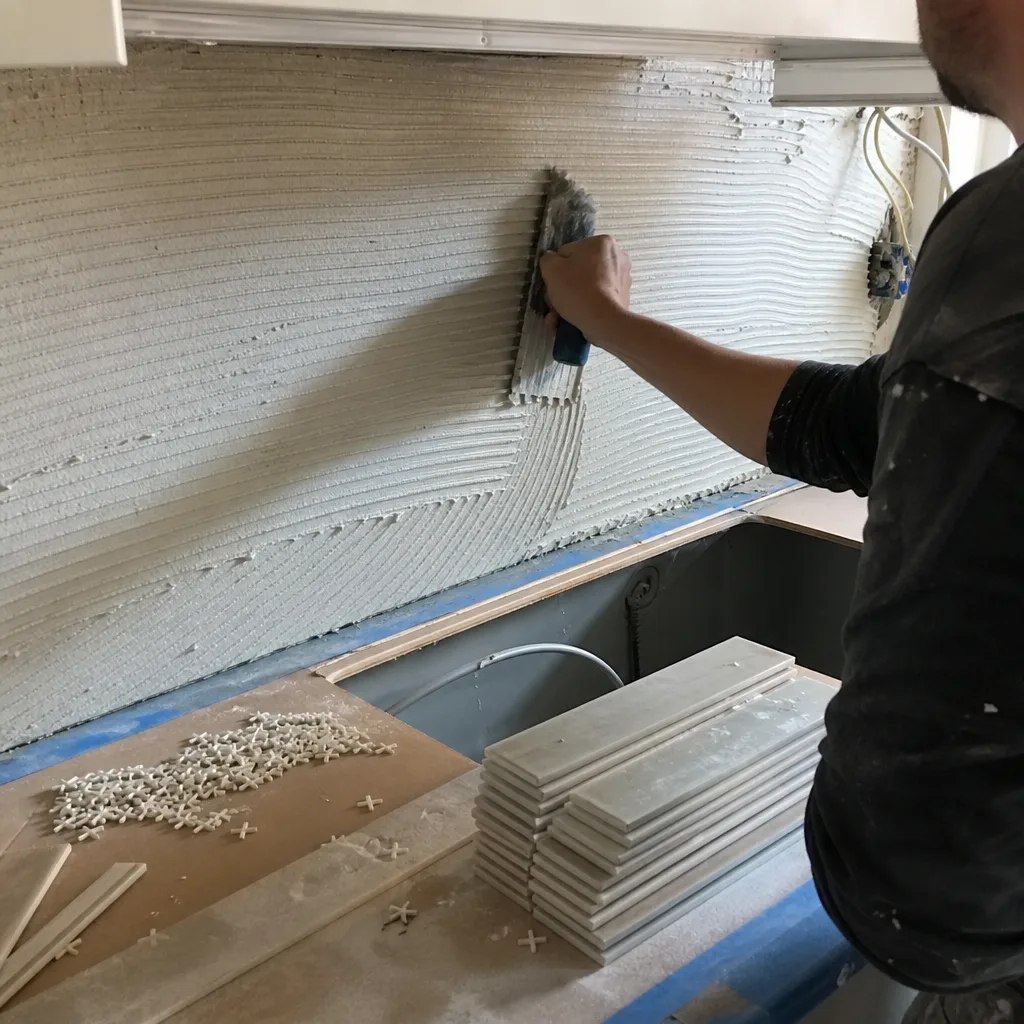
- Panel seam separation with visible daylight or water staining. The butyl tape between Sterling wall panels degrades after 12-18 years in Oakland’s UV exposure, particularly on south-facing elevations. Once the primary seal fails, capillary action draws moisture into the OSB core, which swells and pushes the seam further apart.
- Window frames pulling away from rough openings. Sterling’s original nailing flange on Classic units uses a 16-inch fastener spacing that proves inadequate where Oakland’s clay soils create seasonal differential settlement. The frame tilts, operable sashes bind, and the gap widens until water runs behind the exterior trim.
- Sagging or bouncy floors in ADU units. The Sterling ADU kit specifies a 4-inch concrete slab or engineered pier foundation; shortcuts to a 3-inch floating slab or insufficient pier depth in the Oakland hills’ expansive soils transmit live-load deflection to the steel frame, stressing the moment connections.
- Roof leaks at the wall-to-roof transition despite intact shingles. Sterling’s original step flashing on Classic additions is 4-inch aluminum, which fatigues at the bend point after repeated thermal cycling. In Montclair and Piedmont Pines, where we’ve replaced dozens, the crack is invisible from the ground but admits water directly to the top plate.
- Electrical outlet boxes protruding from wall surfaces. In Premier SIPs, the integrated wiring chase is a 1.5-inch EPS channel; if the panel outer skin delaminates from moisture, the chase compresses and pushes the box outward. This indicates advanced panel degradation requiring section replacement, not just seal repair.
BeforeAfterReplacement Cost & What’s Included
| Scope | Oakland Price Range | What’s Included |
|---|---|---|
| Sterling wall panel section replacement (per 4×8 panel) | $2,800-$4,500 | Panel removal, structural assessment, matching SIP or framed replacement, weather barrier integration, interior finish repair |
| Window/door buck replacement with reframing | $1,200-$2,800 | Unit removal, rough opening rebuild to Sterling or improved spec, new flashed installation, trim package |
| Roof-to-wall flashing assembly replacement | $1,800-$3,400 | Shingle lift, step flashing and counterflashing replacement, ice/water shield extension, shingle reinstallation |
| Full Sterling addition structural retrofit | $18,000-$35,000 | Connection hardware upgrade to current code, shear panel enhancement where required, foundation anchorage improvement, full documentation |
| Complete Sterling ADU foundation replacement | $45,000-$130,000 | Unit support, excavation, engineered pier or slab system, reconnection, utility extension, inspection sequence |
What drives the range: access difficulty (hillside lots in Oakmore versus flat lots in Maxwell Park), the extent of hidden damage once panels come off, and whether Oakland’s current ADU ordinance triggers additional fire-separation or utility requirements. Under Clause 1 of the Haven Standard, your written quote itemizes every line - panel cost, fastener schedule, permit fees, inspection holds - before anyone picks up a tool. Our 365-Day Done Right Promise covers the workmanship; material warranties run through the manufacturer and are noted by brand and model on your invoice.
DIY or Call Us?
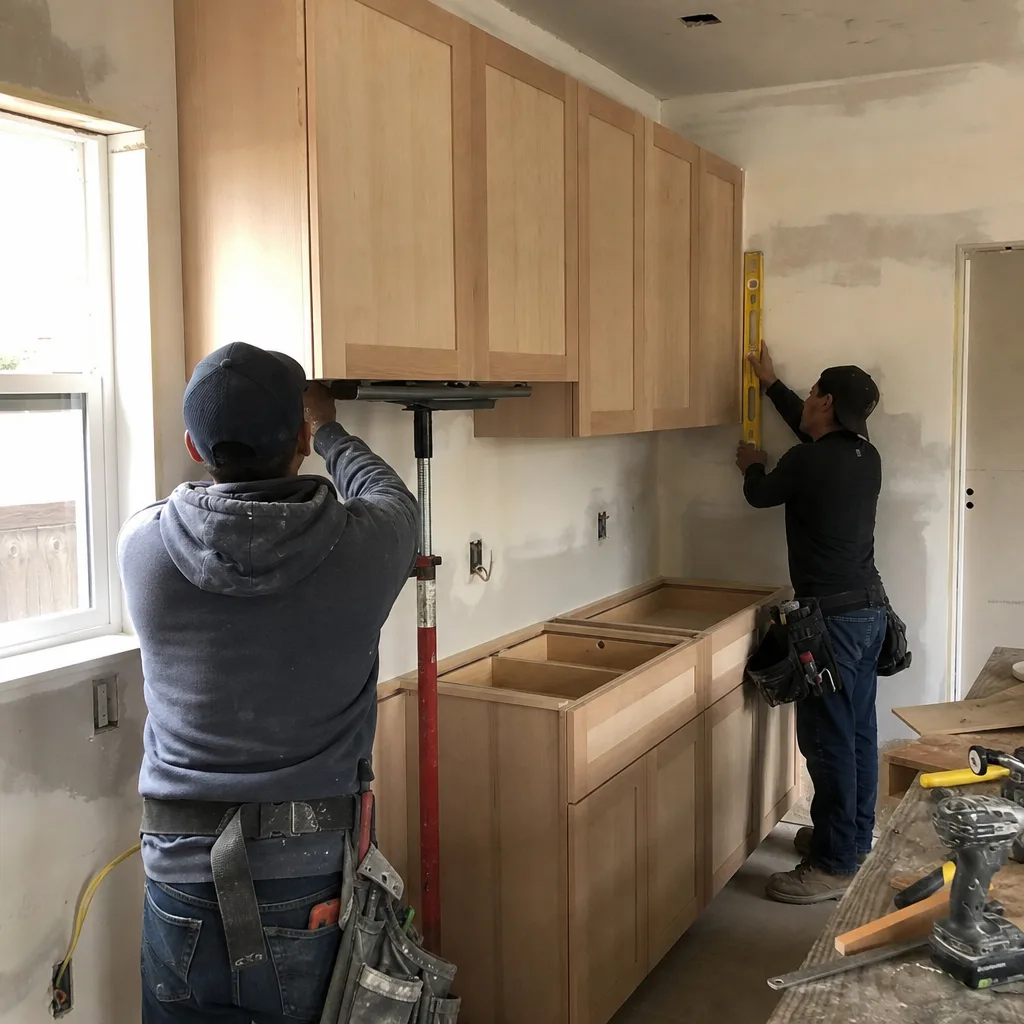
There is safe reconnaissance and there is work that requires a licensed contractor with Oakland’s specific seismic and energy-code amendments.
What you can check: walk the exterior with binoculars and photograph any seam gaps, staining, or trim separation; note the panel series from interior labels; verify your original permit status through Oakland’s online permit portal - unpermitted Sterling additions trigger a full compliance review that DIY repair cannot satisfy. These steps save us time and you money when we arrive.
What goes wrong with DIY: removing a Sterling SIP without temporary bracing collapses the wall line; the panels are structural, not infill. Cutting into a wiring chase without verifying the 120V circuit map risks contact with live conductors embedded in foam. Most critically, Oakland requires a structural observation letter for any modification to an ADU’s lateral-force-resisting system - this is not a handyman permit, and the city will red-tag work that proceeds without it. We’ve been called to three jobs in the last eighteen months where a homeowner’s well-intentioned panel replacement triggered a full stop-work order.
Call (628) 300-4376 to schedule your free estimate. We’ll walk the site, name the exact component failure, and deliver a written scope with pricing you can screenshot and compare.
FAQs
Classic series units with original materials last 20-25 years in Oakland’s climate before major panel or connection intervention; Premier SIPs and ADU kits reach 30-40 years if the initial sealant and flashing maintenance was performed. The difference is usually maintenance history, not manufacturing era. Coastal exposure in the Portola and Bay Farm Island areas accelerates fastener corrosion by roughly 30 percent. Call (628) 300-4376 for a condition assessment - estimates are free.
Surface delamination of a single SIP skin can be injected and re-bonded if caught early; once the OSB or EPS core is wet, replacement is the only code-compliant path. We make this determination with a moisture probe and core sample, documented in the photo record you receive. For a written verdict on your specific unit, call (628) 300-4376.
Single panel or flashing replacement: two to four days including inspection holds. Full structural retrofit of a Classic addition: three to six weeks with Oakland’s phased inspection sequence. ADU foundation work: eight to fourteen weeks depending on geotechnical requirements and PG&E coordination. We specify the calendar in your written quote, not a guess. Call (628) 300-4376 to schedule.
We stock Classic and Premier-compatible wall panels, flashing assemblies, and connection hardware at our Oakland warehouse; ADU kit steel components ship from Sterling’s regional depot in Sacramento with a 10-14 day lead. For any component we don’t have on hand, we quote the lead time in writing before you commit. Call (628) 300-4376 to confirm current availability for your model.
Written by Grant Rowan, Owner, Rowan Construction Group Oakland at Rowan Construction Group Oakland, serving Oakland and nearby areas.